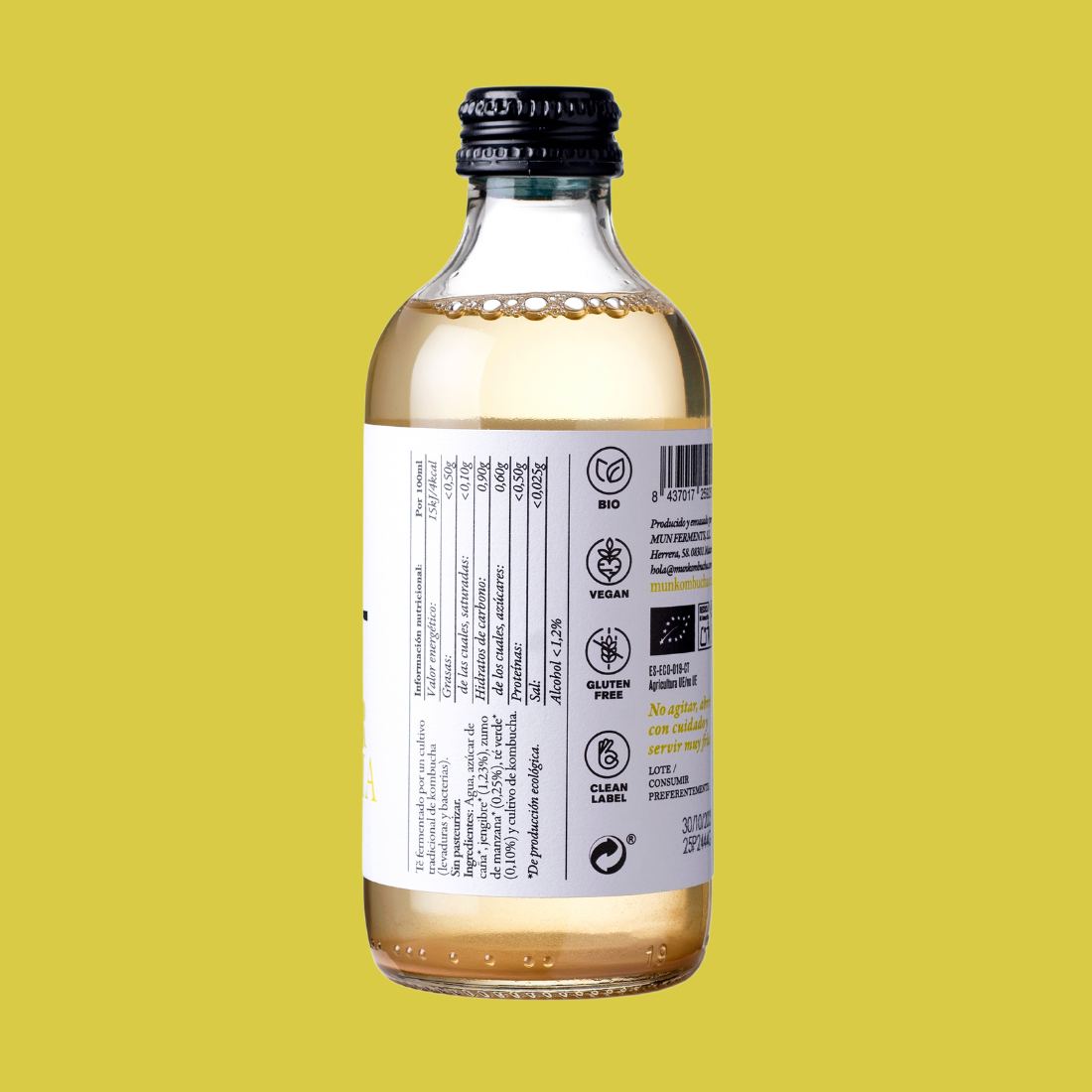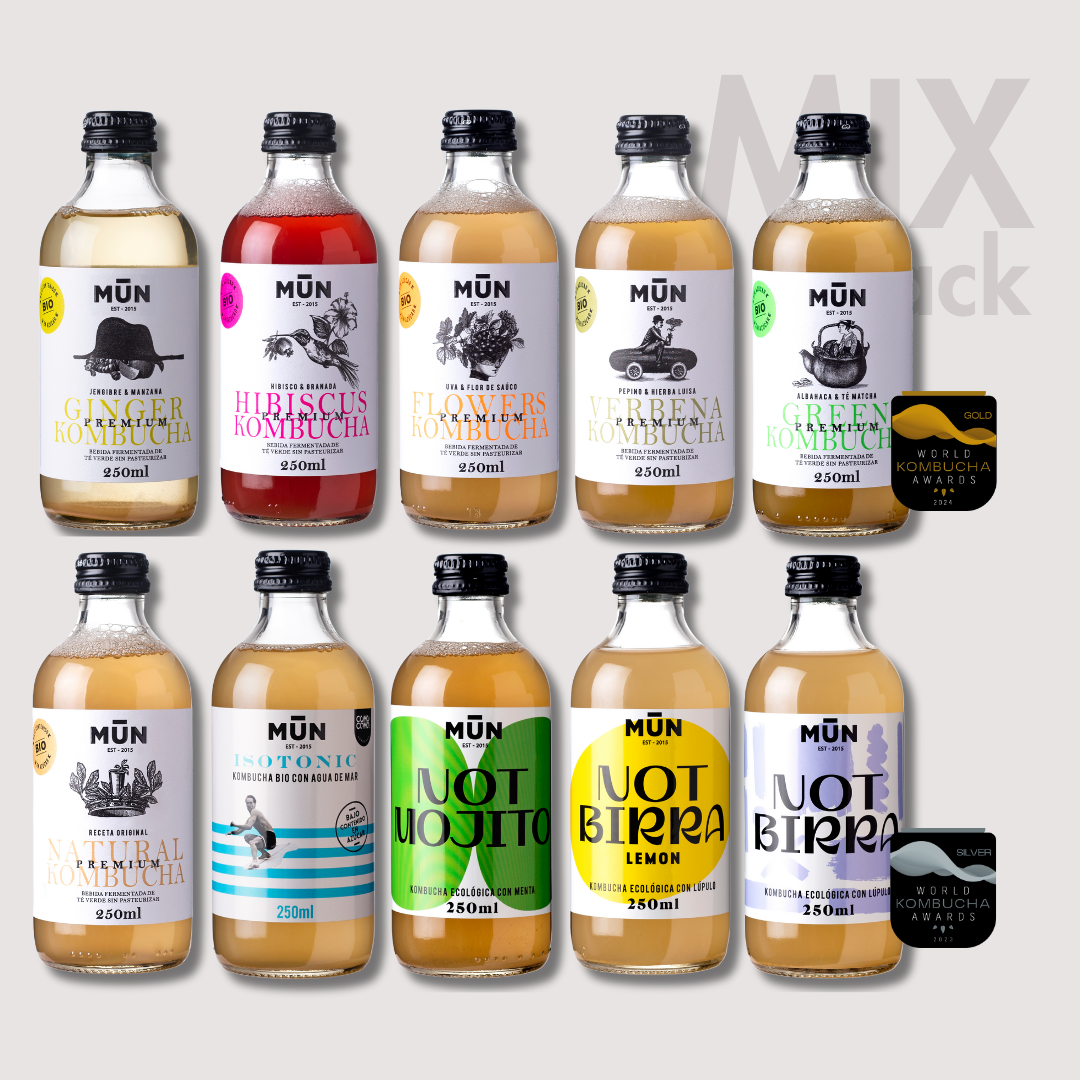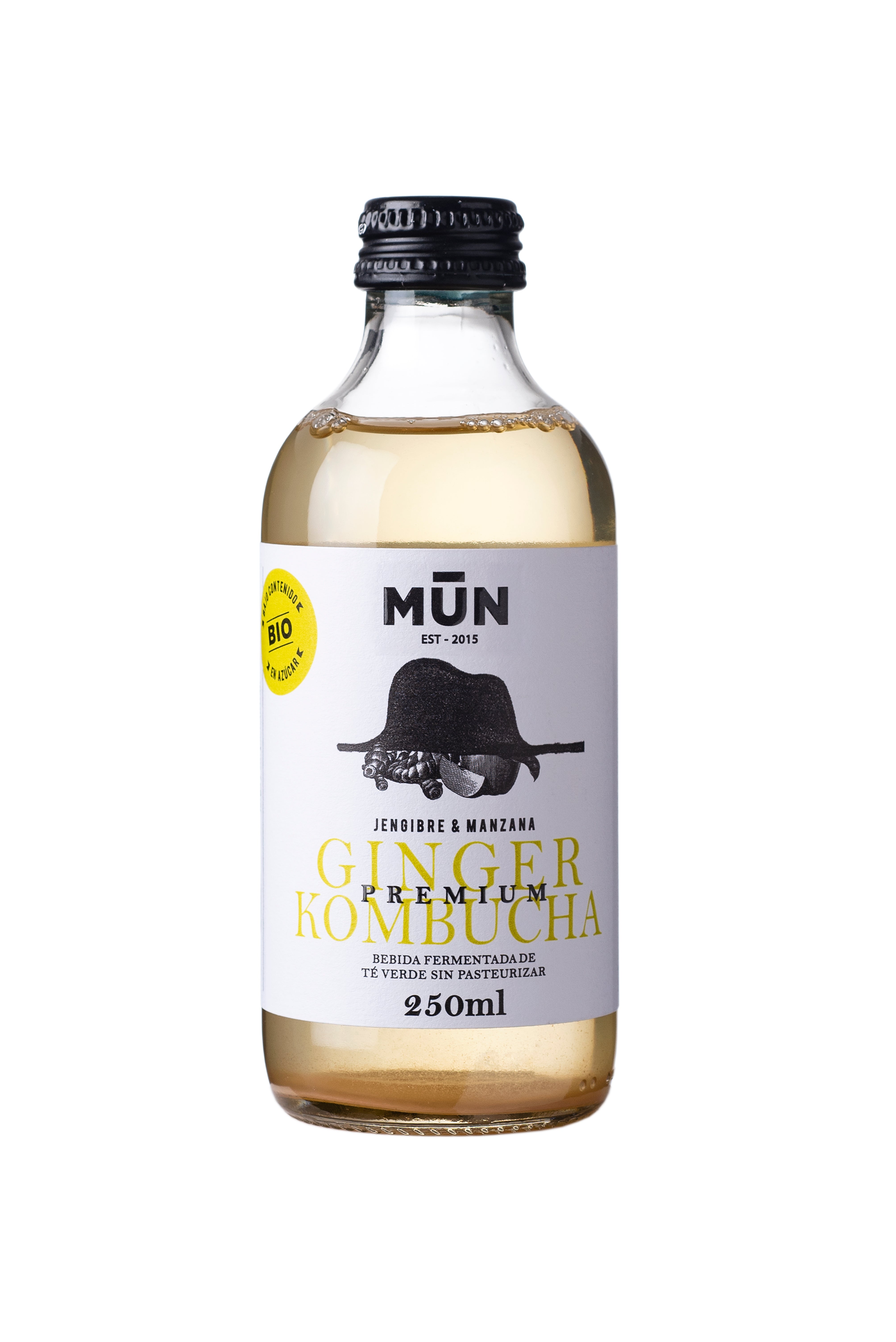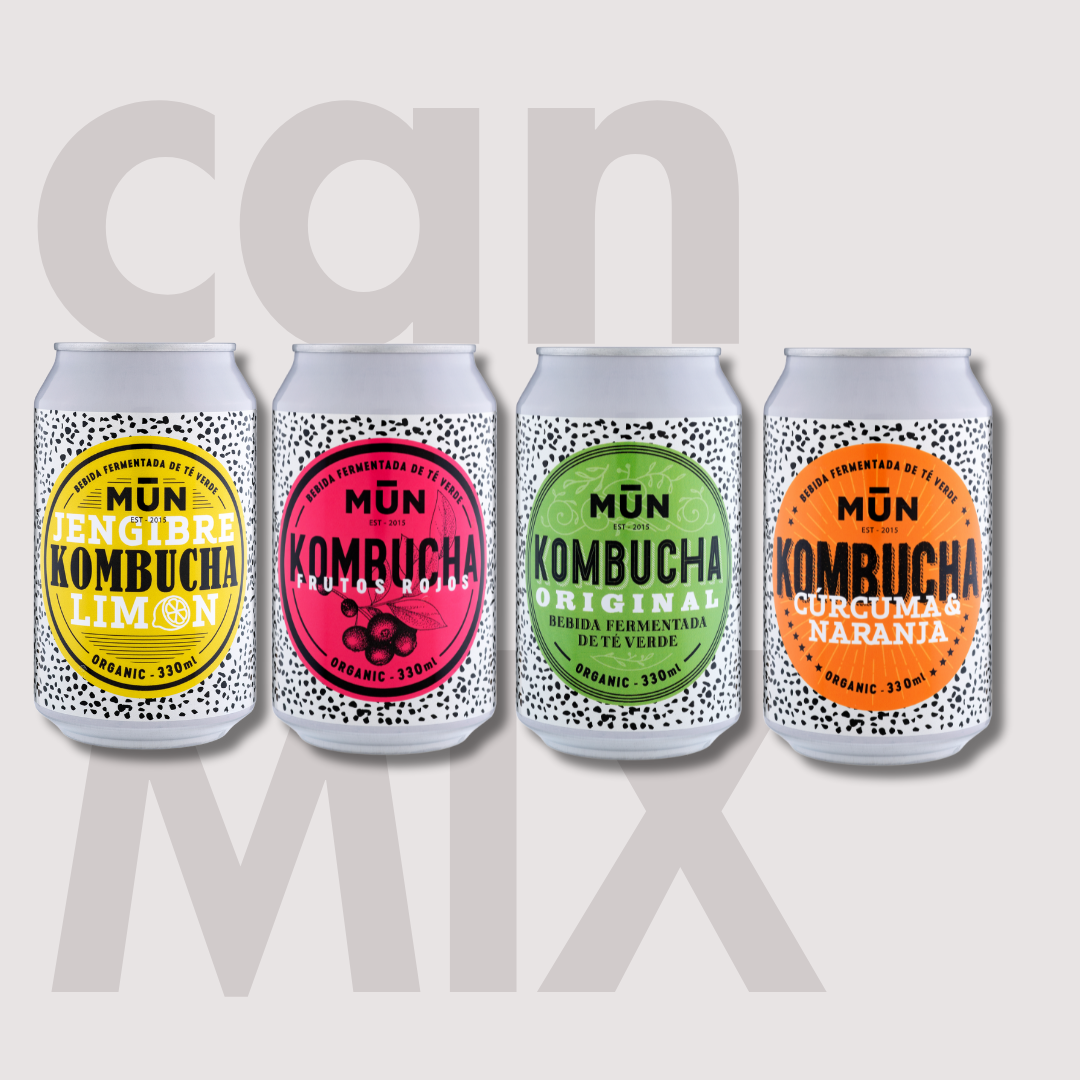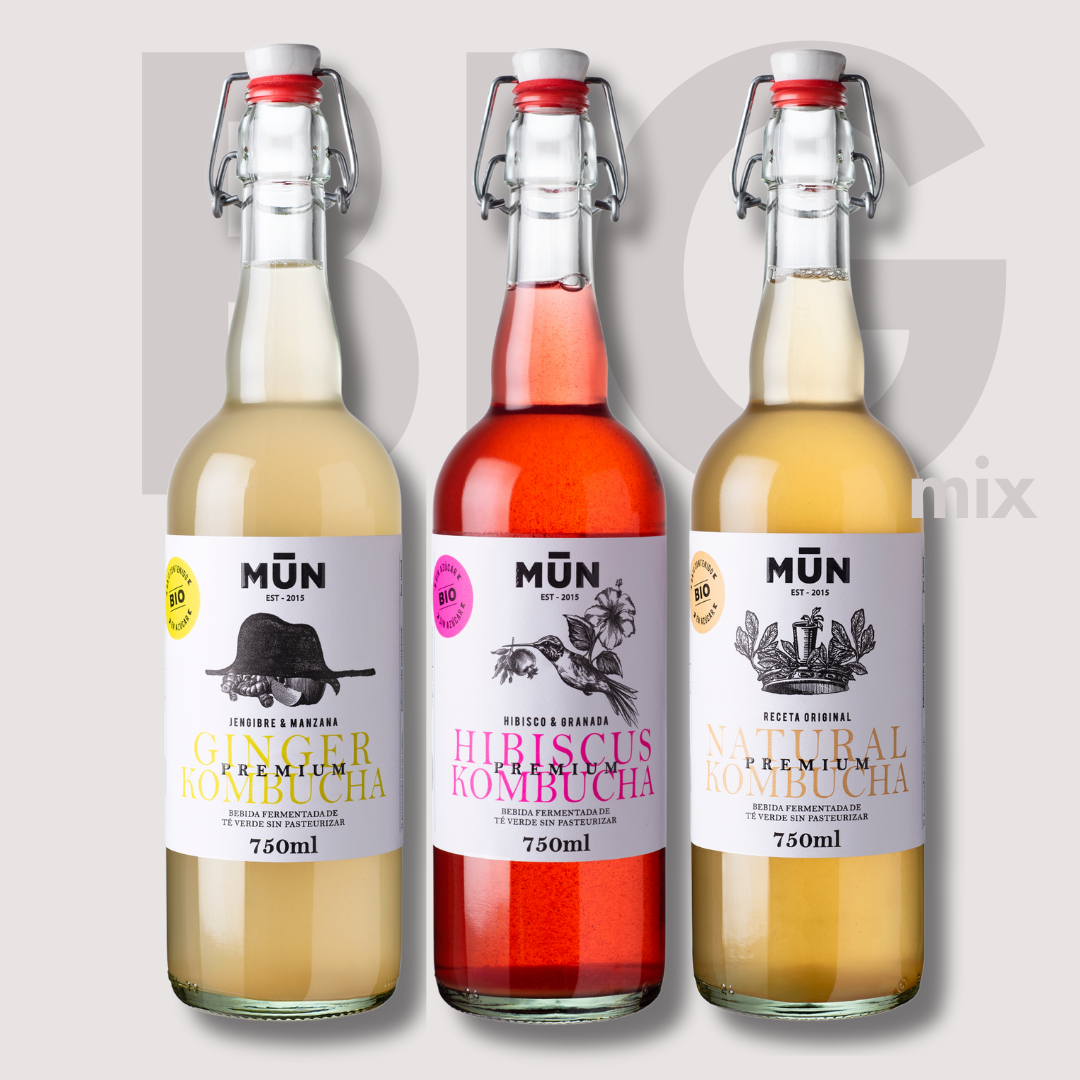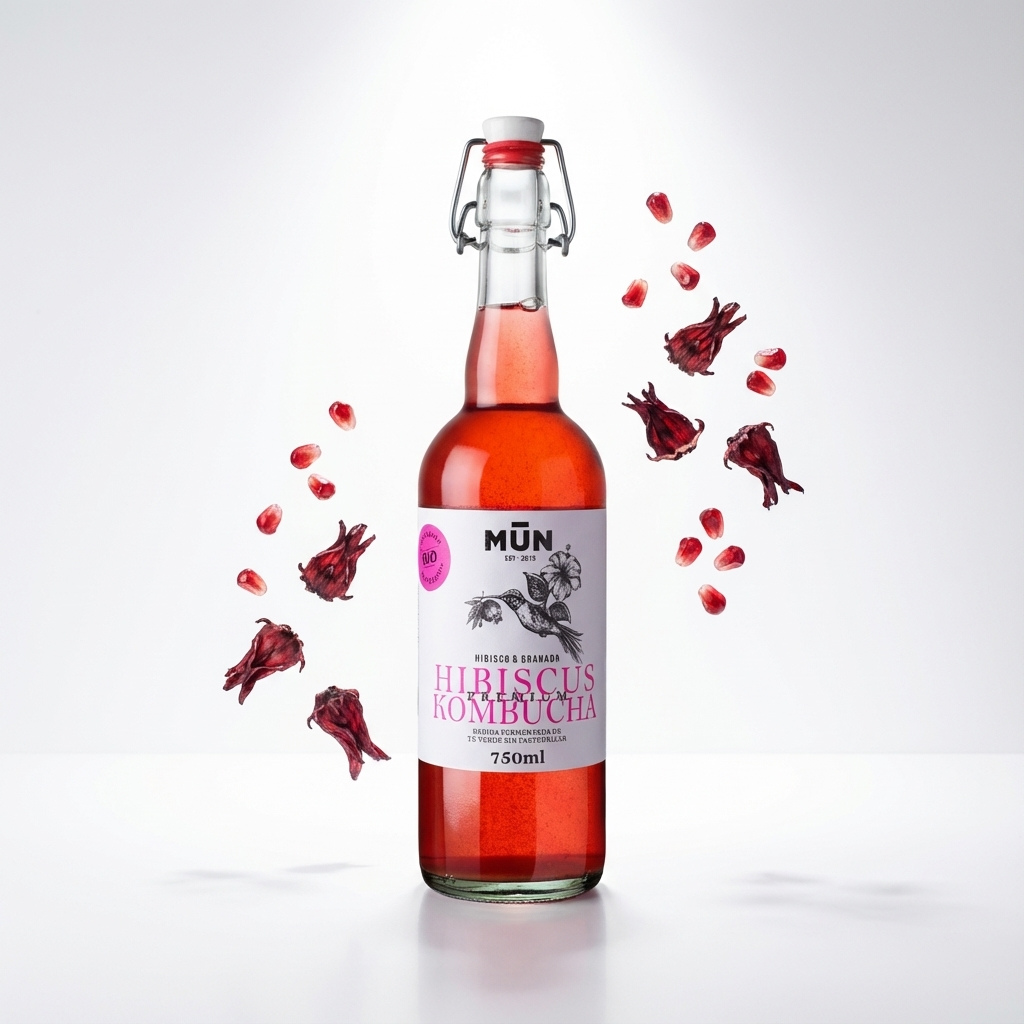
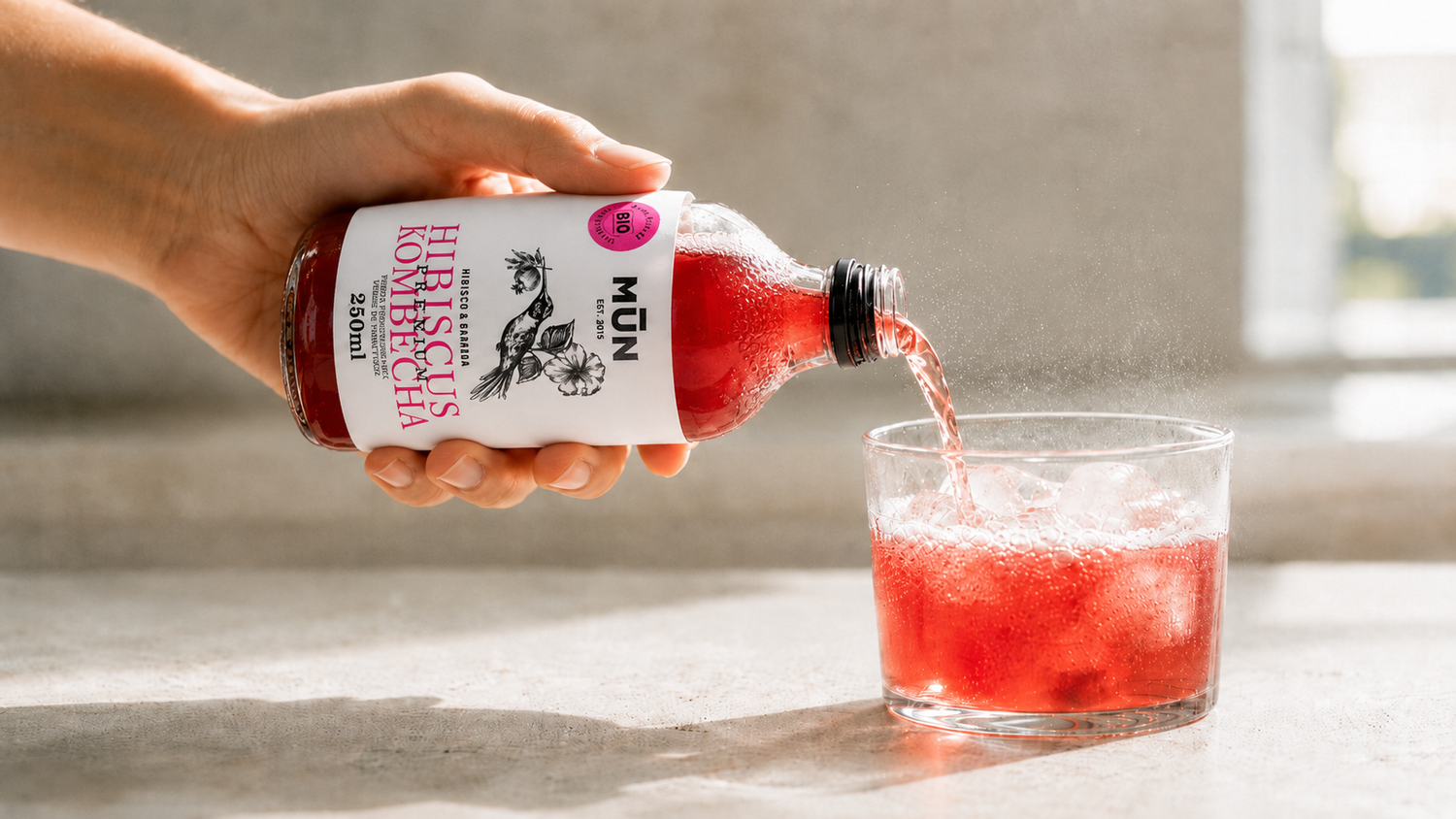
Roselle (Hibiscus sabdariffa, also called hibiscus or rosella) is one of the most used natural ingredients in the world for preparing infusions, refreshing drinks, and traditional remedies. This small red flower, originating from West Africa, is now cultivated in Mexico, Egypt, India, and Sudan, and has become a superfood thanks to its intense color, bittersweet taste, and properties. At Mūn we ferment this flower to create our Hibiscus Kombucha.
In this complete guide, we will see what Roselle exactly is, its 12 science-backed properties, how to prepare homemade Roselle water step-by-step, contraindications, and why Mūn Hibiscus Kombucha is the most convenient and probiotic way to incorporate it into your daily life.
What Roselle Is
Roselle is the dried calyx of Hibiscus sabdariffa, a perennial plant of the Malvaceae family (the same as cotton and okra). What most people call a "flower" is not actually the petal, but the fleshy calyx surrounding the seed, which turns intense red and crispy when dried.
It has a bittersweet taste, similar to cranberry but more floral, and a ruby red color so vibrant that it is used as a natural food dye. It is the base for:
- Hibiscus tea (hot).
- Roselle water (cold, typical of Mexico).
- Karkadeh (Egypt and Sudan).
- Mūn Hibiscus Kombucha, which combines the flower with the second fermentation.
12 properties and benefits of Roselle
These are the benefits most supported by current scientific evidence:
1. High in anthocyanins (natural red color)
The intense red color comes from anthocyanins, plant compounds with antioxidant activity. The same pigments that color blueberries and blackberries.
2. May help regulate blood pressure
Several studies (including a 2015 meta-analysis in the Journal of Hypertension) suggest that regular consumption of hibiscus tea is associated with a slight reduction in systolic and diastolic pressure in people with mild high blood pressure.
3. Vitamin C contribution
The dried flower contains natural vitamin C, although some is lost in hot infusions. Consuming it cold or as fermented kombutxa better preserves this vitamin.
4. Gentle natural diuretic
The infusion has a mild diuretic effect, which explains why it is traditionally used in infusions to "de-bloat" after heavy meals.
5. Caffeine-free
Unlike green tea or black tea, Roselle does not contain caffeine, so it can be taken at any time, even at night.
6. Low in calories
Natural, sugar-free Roselle water has less than 5 kcal per 100 ml. A healthy alternative to sugary soft drinks.
7. Provides minerals like iron and calcium
The dried flower contains modest amounts of iron, calcium, magnesium, and potassium.
8. May support lipid profile
Some small studies suggest mild improvements in cholesterol and triglycerides with regular consumption. Evidence is still limited and should not replace medical treatment.
9. Polyphenols with antioxidant potential
The flower contains flavonoids and phenolic acids such as protocatechuic acid, associated with in vitro antioxidant activity.
10. Good taste without the need for sugar
Its natural acidity (similar to lemon but more floral) allows for preparing refreshing drinks with no or very little added sugar. Mūn Hibiscus Kombucha takes advantage of this acidity to avoid adding sugar.
11. Flavored hydration
For those who don't drink enough water, homemade Roselle water is a tasty way to increase fluid intake without resorting to soft drinks.
12. Culinary versatility
Beyond infusions: cakes, jams, sauces, ice creams, marinades, and even candied as an accompaniment to cheeses. A single flower colors 250 ml of liquid.
How to prepare homemade Roselle water (step-by-step recipe)
The classic Mexican method, ready in 30 minutes:
Ingredients (1 large pitcher, 1.5 l)
- 50 g dried Roselle
- 1.5 liters filtered water
- 3–4 tablespoons cane sugar or honey (to taste, optional)
- 1 lemon or lime slice
- Ice for serving
Preparation
- Rinse the flower with cold water to remove dust or impurities.
- Bring 500 ml of water to a boil. When it starts boiling, turn off the heat and add the dried flower. Let it infuse for 15 minutes.
- Strain the concentrate with a fine sieve or cheesecloth. Reserve the rehydrated flowers (they can be reused for jam or cooking).
- Dilute with 1 liter of cold water. Sweeten to taste.
- Refrigerate for 1 hour. Serve with ice and lemon slices.
Tip: if you want a probiotic version with natural bubbles, replace the sugar with 250 ml of Mūn Hibiscus Kombucha. You'll save yourself the homemade fermentation and the wait.
Difference between Roselle water, hibiscus tea, and HIBISCUS kombutxa
| Drink | How it's prepared | Sugar | Probiotics |
|---|---|---|---|
| Roselle water | Cold infusion + sugar | High if added | No |
| Hibiscus tea | Hot infusion | Optional | No |
| Karkadeh | Infusion + cardamom + GINGER | Traditionally high | No |
| HIBISCUS kombutxa | 30-day fermentation with flower | 0.1 g/100 ml (Mūn) | Yes, live |
Contraindications and precautions
- Pregnancy and lactation: traditionally not recommended due to its possible estrogenic effect. Consult your doctor.
- Hypotension: if you have low blood pressure, excessive consumption may worsen feelings of dizziness.
- Antihypertensive medications: may enhance their effect. Ask your doctor.
- Small children: better in small, diluted doses.
- Dental staining: the intense red color may temporarily stain tooth enamel. Rinse with water after consumption.
Roselle and menopause: how hibiscus can help
During menopause, the drop in estrogen causes hot flashes, night sweats, fluid retention, irritability, and cardiovascular changes. Roselle (hibiscus) is one of the natural allies often recommended in nutrition and integrative gynecology consultations for three specific reasons:
- Gentle vasodilator: anthocyanins and polyphenols in hibiscus have been associated with improved vascular flexibility and a slight blood pressure regulating effect, two key factors during menopause.
- Natural diuretic: helps reduce typical fluid retention during this stage without resorting to medication.
- Caffeine-free and alcohol-free: unlike many popular infusions, it does not interfere with sleep quality, which is already greatly affected by night sweats.
How to incorporate it:
- 2 glasses of homemade Roselle water daily (with no added sugar).
- 1 bottle of Mūn Hibiscus Kombucha in the afternoon — it combines hibiscus with live probiotics to also support the microbiota, which changes during menopause.
- Hot infusion before bedtime if hot flashes allow.
Important: if you are taking hypotensive medication or have very low blood pressure, consult your doctor before increasing consumption. For a broader view, also read our complete guide foods for menopause: 8 natural allies and the role of kombutxa.
Where to buy Roselle
The dried flower can be found in:
- Herbalists: 5–10 €/100 g, variable quality.
- Latin and Mexican stores: the best value for money.
- Organic supermarkets (Veritas, Naturasi): certified organic product.
- Online: Amazon and eco-stores from 15 €/kg.
If you prefer to consume it already prepared, ready to drink, with all its benefits and also fermented with live bacteria and yeasts, try Mūn Hibiscus Kombucha: 250 ml of hibiscus fermented for 30 days, 0.1 g of sugar per 100 ml, and natural fizz.
Recipes you can make with Roselle
- Non-alcoholic Mojito with Mūn HIBISCUS Kombucha
- Chocolate Truffles with Mūn HIBISCUS Kombucha
- Mocktail with HIBISCUS, strawberries, and liquorice
- Non-alcoholic Punch with HIBISCUS
- Three Kings' Cake Cocktail with HIBISCUS
Frequently asked questions
Are hibiscus and Roselle the same?
Yes. "Roselle", "hibiscus", "rosella", and "karkadeh" are different names for the same flower: the dried calyx of Hibiscus sabdariffa.
Why is it called Roselle if it's not from Jamaica?
The name is popular in Mexico and Central America. The plant is native to West Africa, not the island of Jamaica. But due to its intense red color (similar to Jamaican rum) and its arrival in the Caribbean, it ended up adopting that colloquial name.
How much Roselle water can be consumed daily?
As a general guideline, 1–2 glasses per day (250–500 ml) are safe for healthy adults. Do not overconsume if you have very low blood pressure.
Does Roselle help with weight loss?
Not directly. Sugar-free Roselle water can help reduce total calorie intake if it replaces sugary soft drinks, but it does not burn fat on its own. Weight loss depends on the overall caloric balance.
Can Roselle water be drunk every day?
Yes, in moderate amounts (1 glass per day) and provided you are not pregnant, not taking hypotensive medication, or do not have very low blood pressure.
What is the difference between Roselle and cranberry?
Both are rich in anthocyanins and have a tart-fruity flavor, but Roselle is more floral, while cranberry is more fruity. Roselle is mainly used as an infusion; cranberry as whole fruit or juice.
What happens if I drink Roselle water hot vs. cold?
Hot, it's called "hibiscus tea." Cold, it's called "Roselle water." The taste changes slightly (more astringent hot, more refreshing cold) but the active compounds are similar.
Conclusion
Roselle (hibiscus) is a versatile and delicious flower with a unique profile: rich in anthocyanins, naturally tart, caffeine-free, and very easy to incorporate into your day. Drunk as an infusion, in homemade Roselle water, or in fermented kombutxa, it provides color, flavor, and interesting plant compounds.
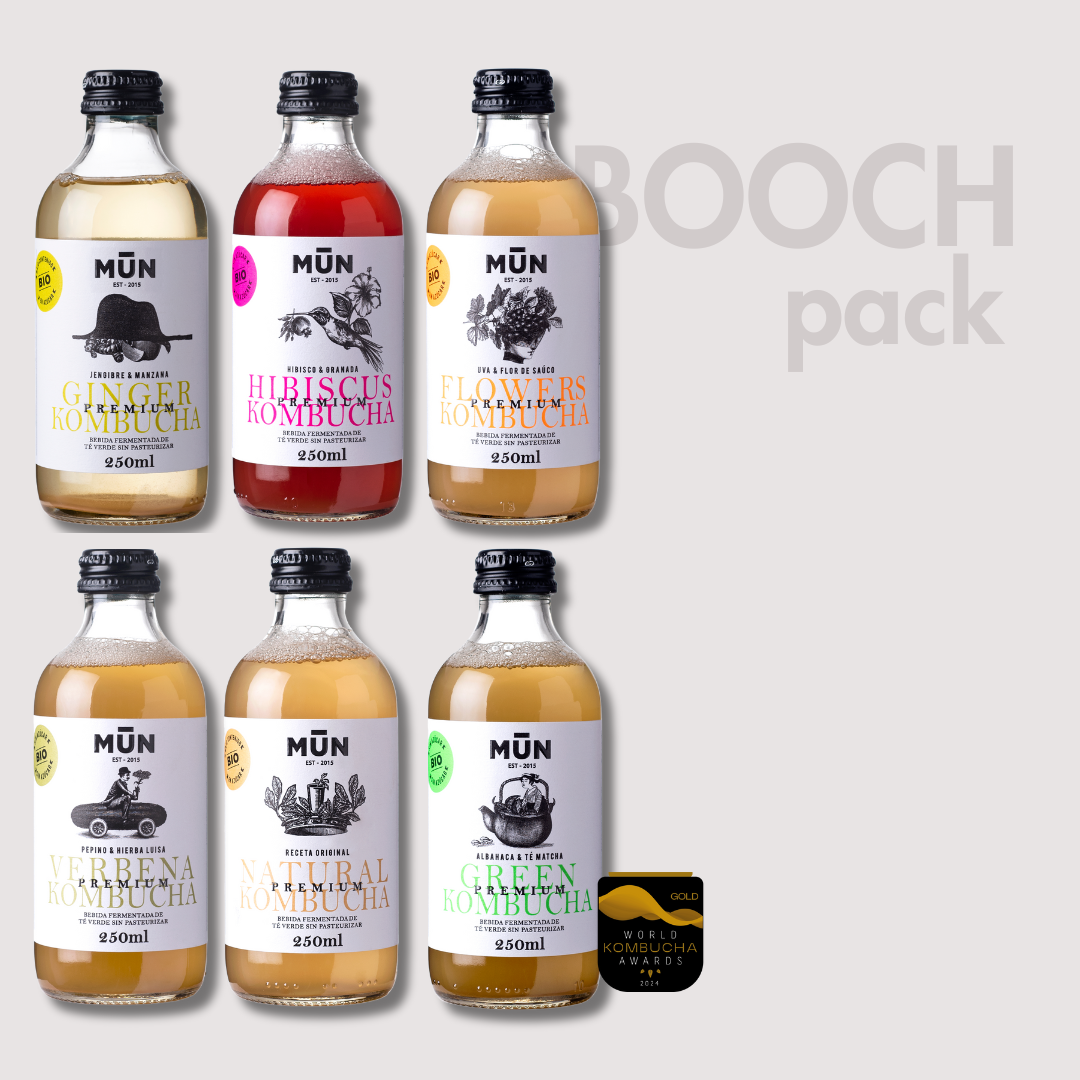
If you want to skip the homemade preparation, we already have HIBISCUS kombutxa ready in a 250 ml premium bottle:
Sources: Wikipedia (Hibiscus sabdariffa); meta-analysis on hibiscus and blood pressure; Journal of Ethnopharmacology; Mūn Hibiscus Kombucha product data sheet. Updated to 2026.