Menopause —and the preceding years, perimenopause— is a natural, yet demanding stage. Hormones change, metabolism changes, and the way the body manages sugar, rest, mood, muscle mass, bone density, and even cardiovascular health changes.
The good news is that nutrition can help a lot. It doesn't work miracles. It doesn't replace a good diagnosis. And if symptoms truly affect you, the sensible thing to do is consult your trusted healthcare professional.
But it can make a real difference. That's why we've prepared this complete guide organized by symptom: more than 50 evidence-backed foods, grouped according to the specific problem that might be bothering you.
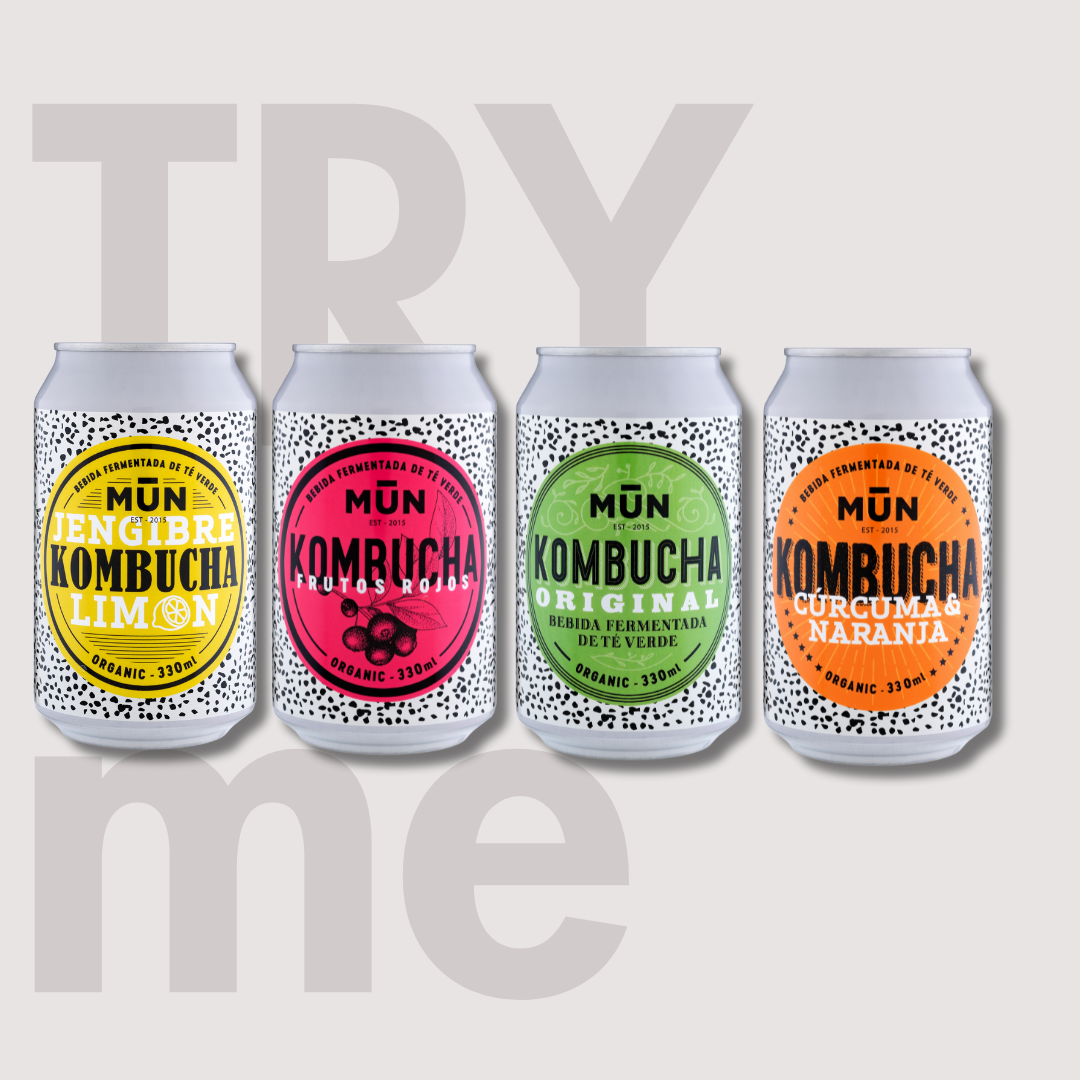
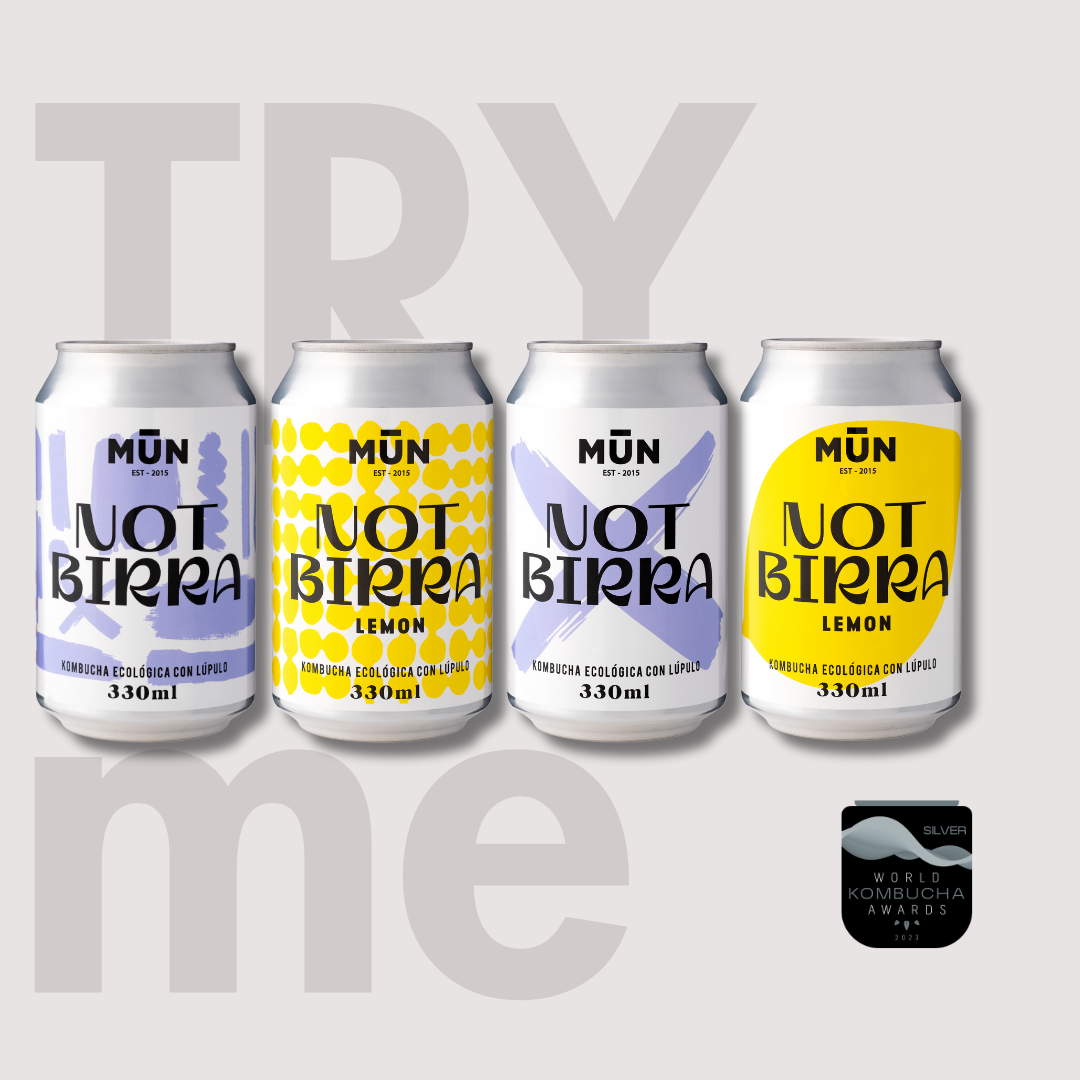
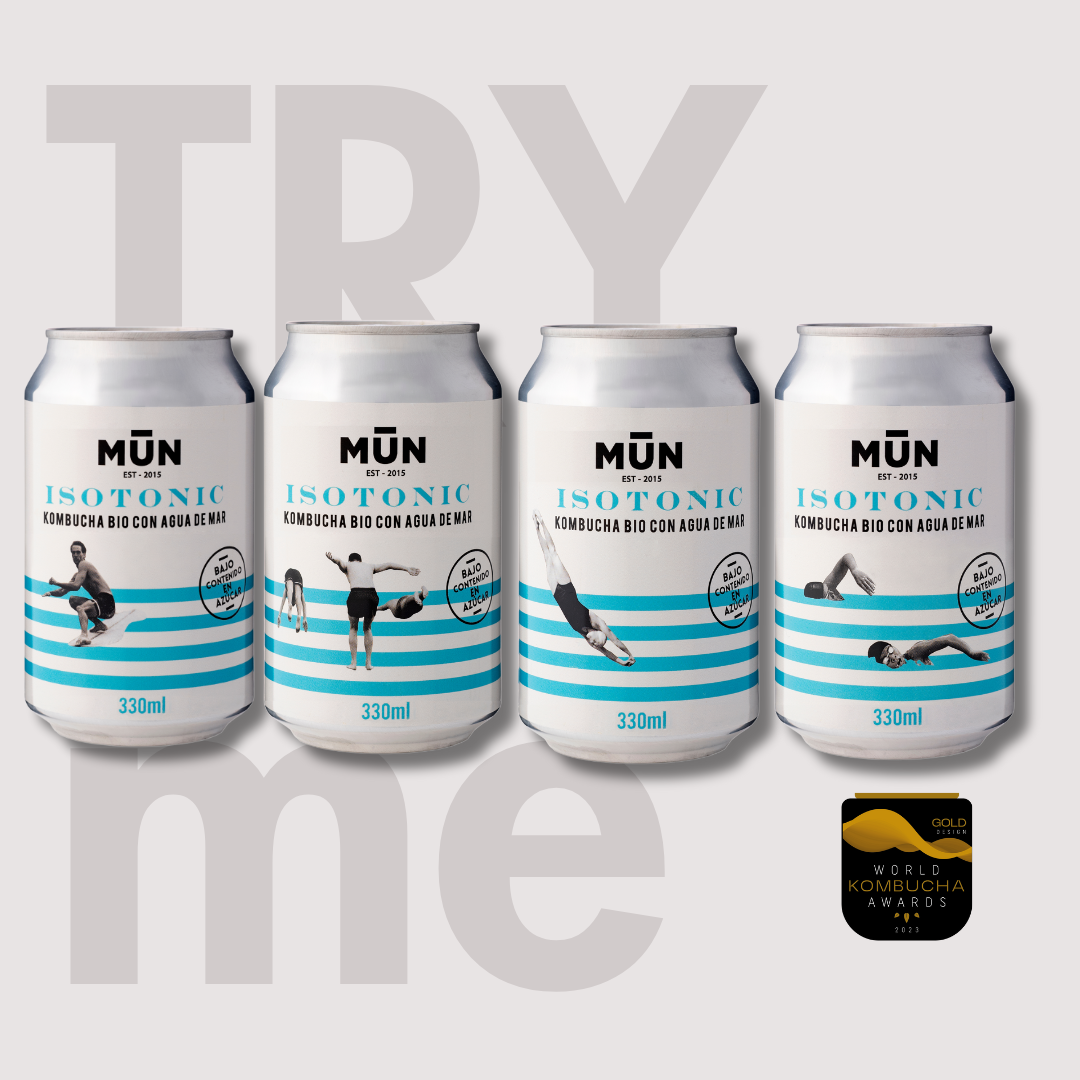
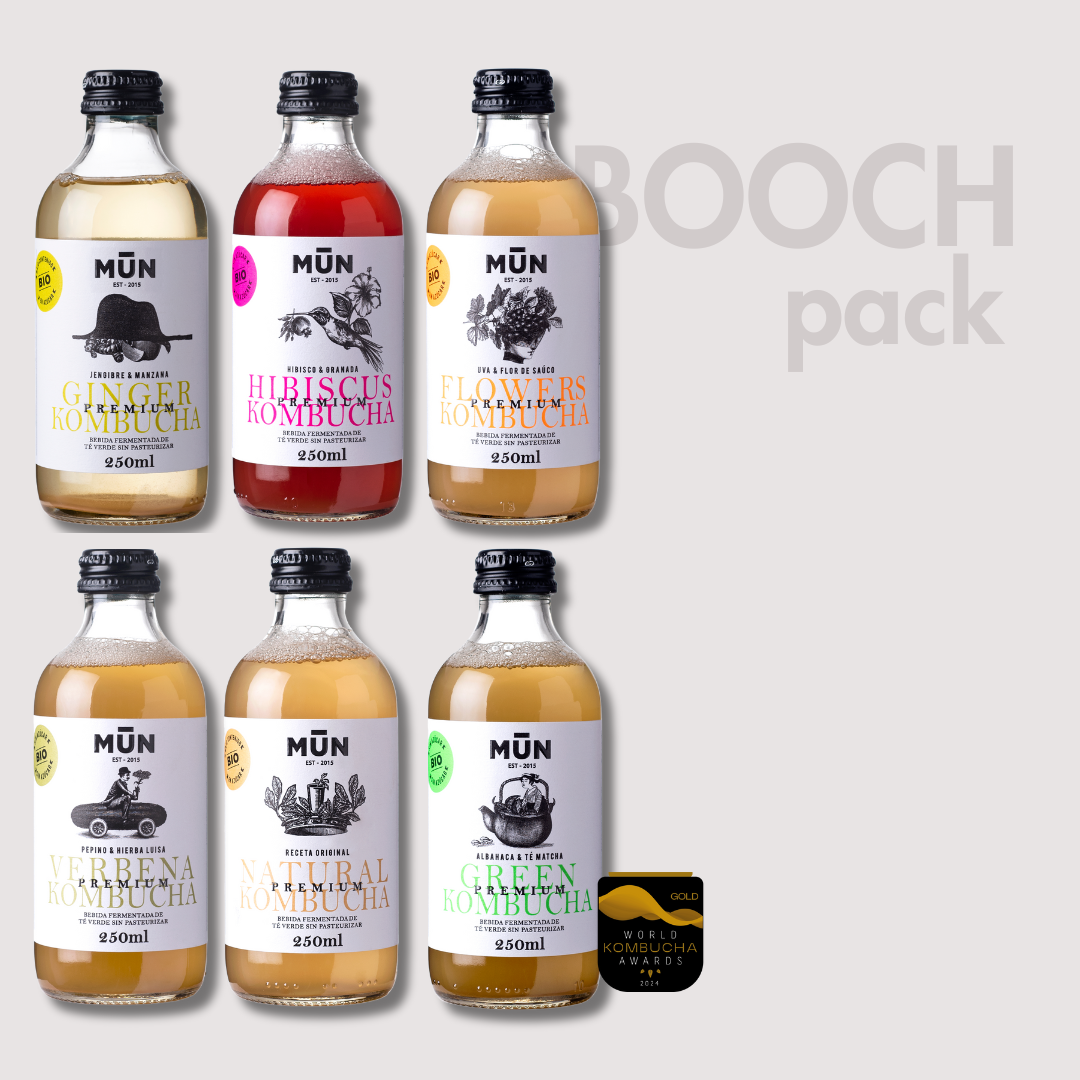
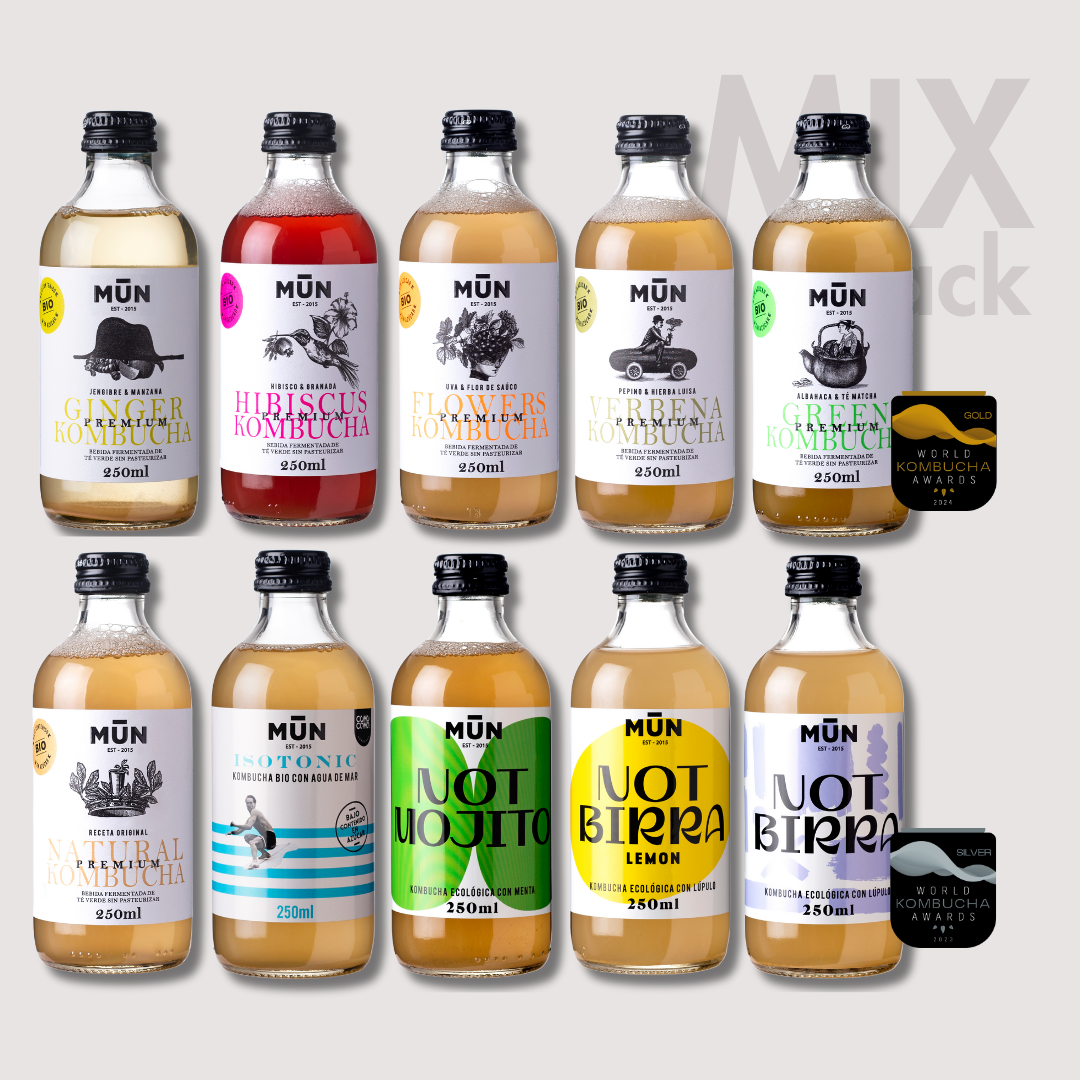
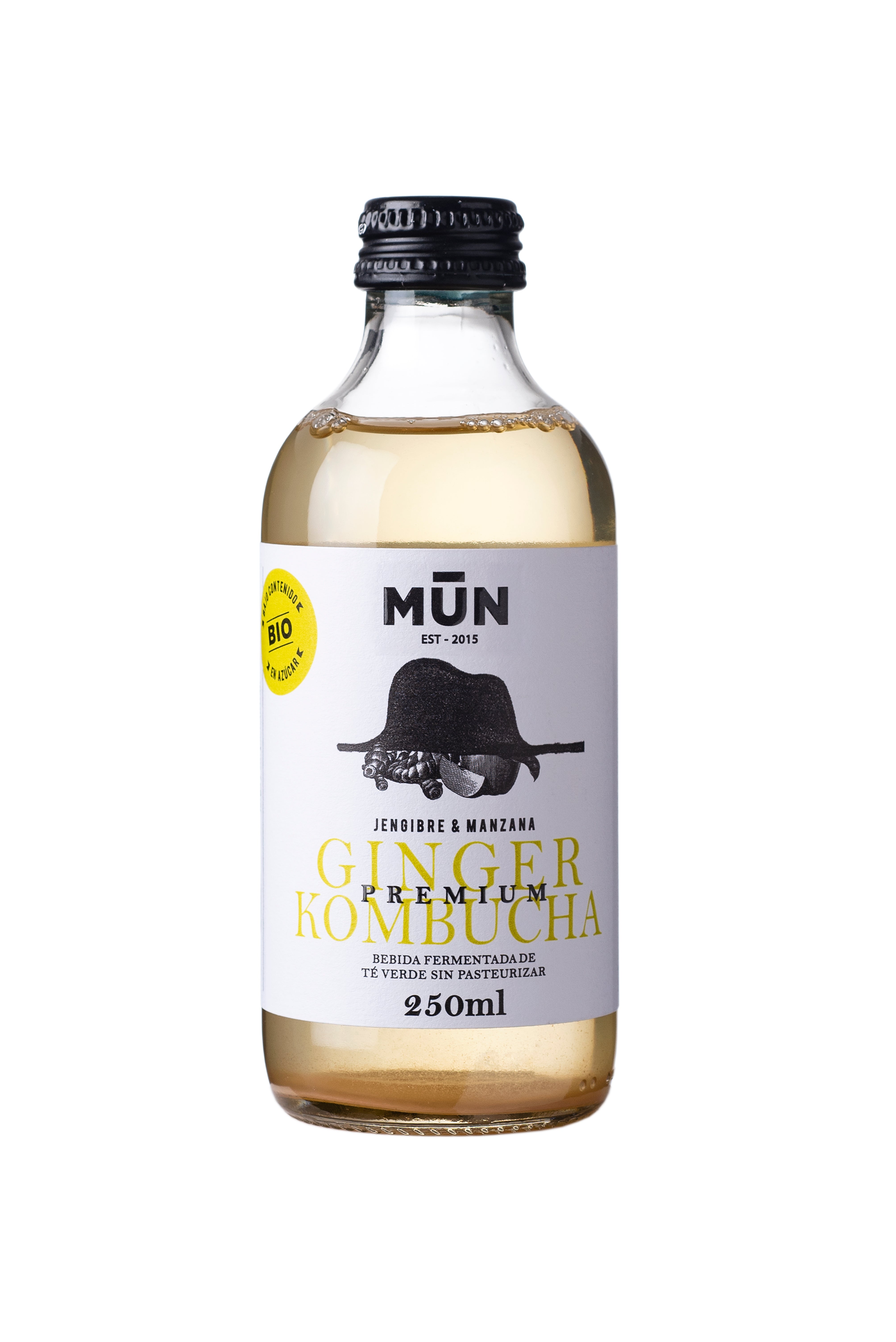
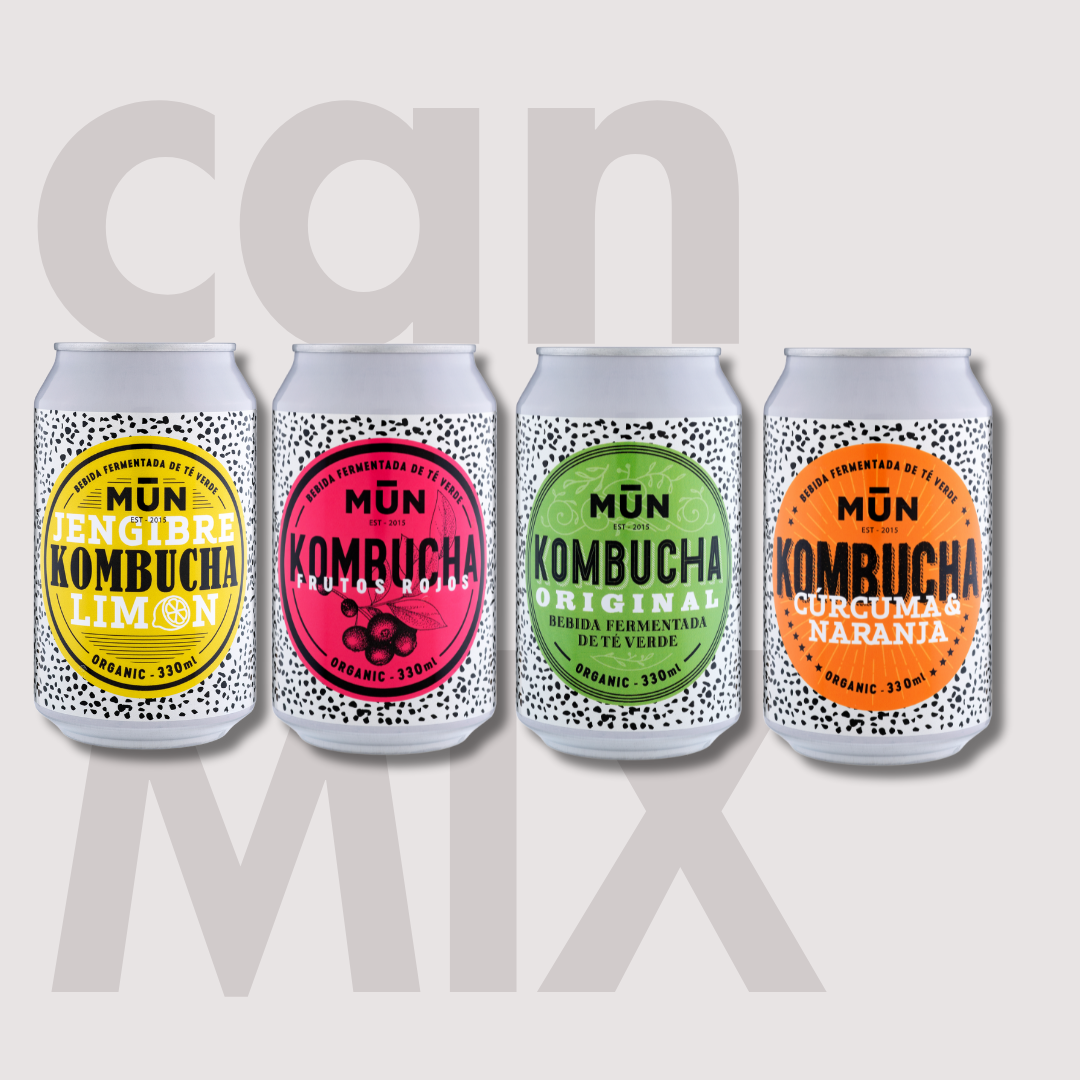
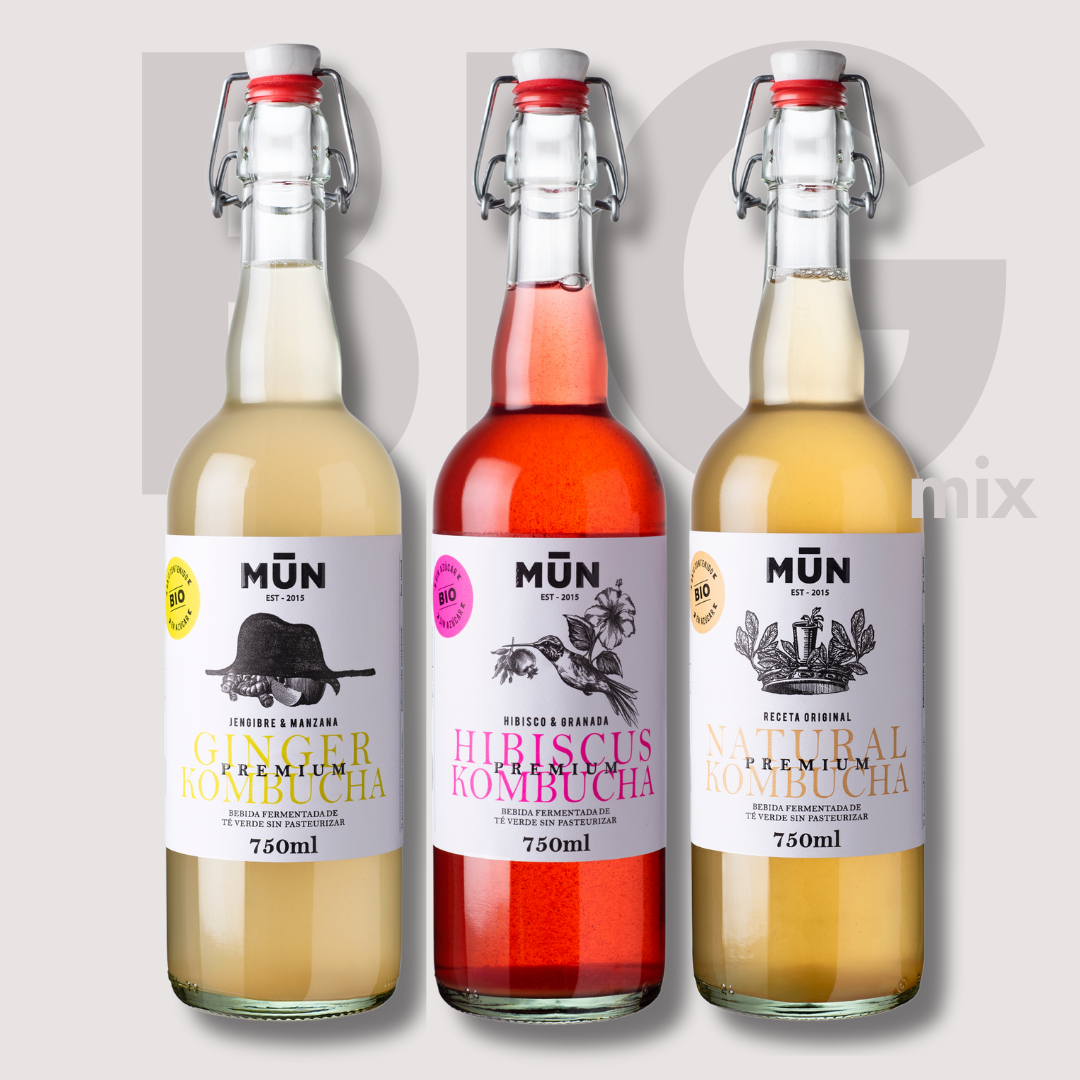
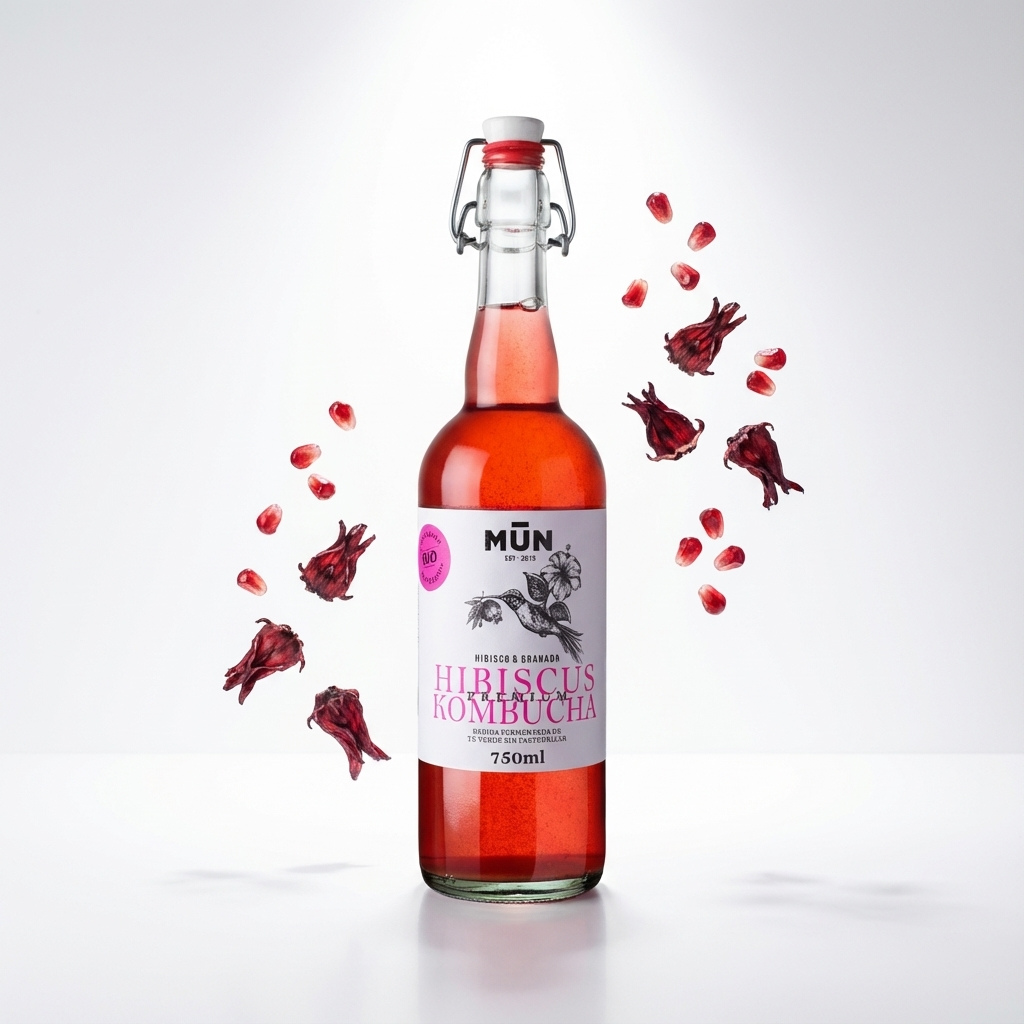
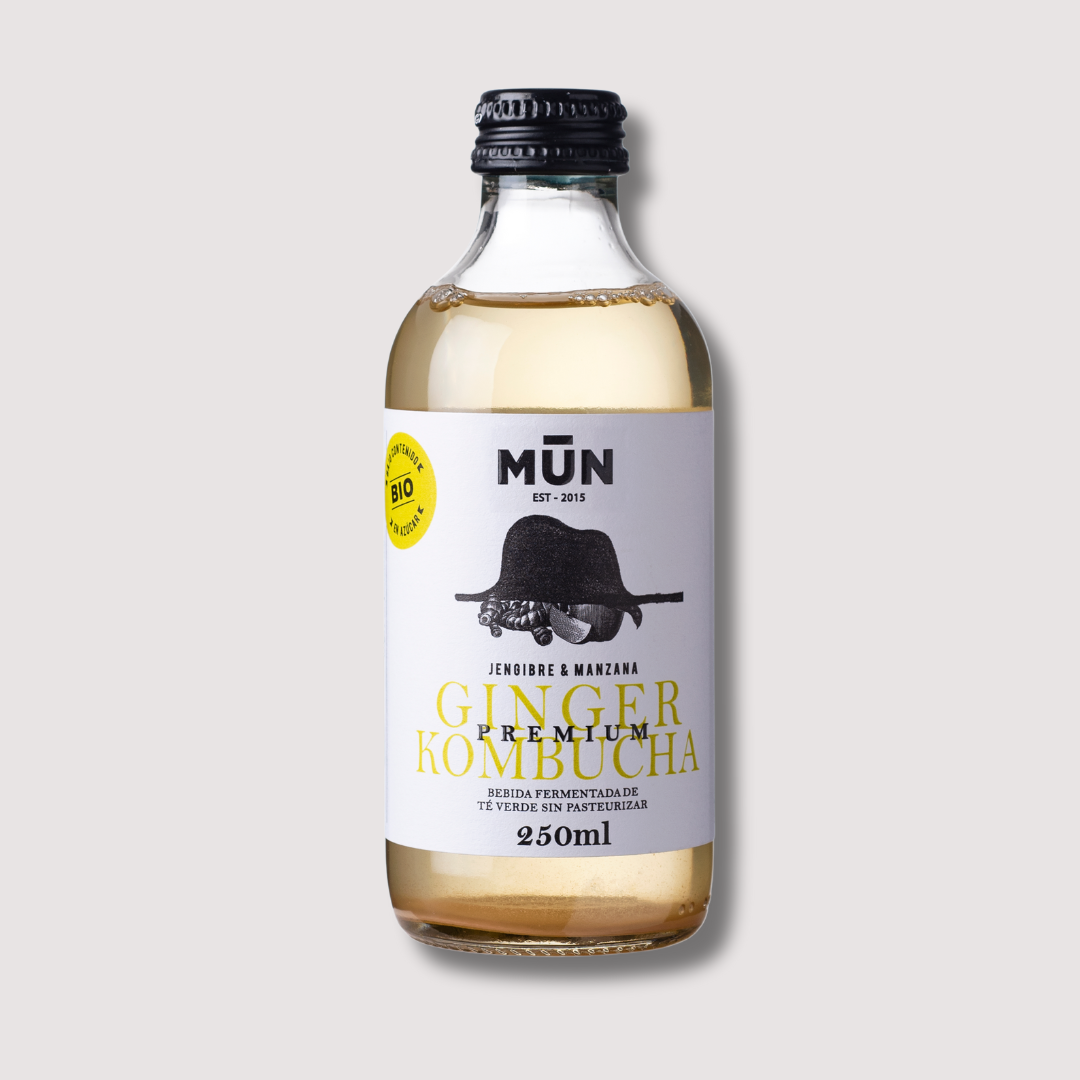
And, at the end of each section, we tell you which variety of Mūn Kombucha fits best —not to "cure" menopause, but to better accompany you in a stage where your body asks for a different way of caring for it.
What you'll find in this guide
Important disclaimer: the information in this guide is educational, not diagnostic. Each person is different. For symptoms that affect your quality of life, consult a gynecologist or certified nutritionist.
1. To reduce belly fat and bloating
During perimenopause, hormonal changes shift fat towards the abdomen and make it harder to lose. The foods in this section work on four hormonal levers: estrogen metabolism, cortisol, blood sugar stability, and chronic low-grade inflammation.
Key allies
- Salmon. Its omega-3s help reduce fasting insulin and cortisol, two factors that facilitate visceral fat accumulation.
- Eggs. Complete protein with choline, which supports the liver in estrogen metabolism and protects muscle mass.
- Natural Greek yogurt (unsweetened). High in protein: helps preserve muscle, satiate, and keep sugar stable.
- Broccoli and cauliflower. Cruciferous vegetables with sulforaphane: help the liver process estrogens into safer forms.
- Spinach and kale. Magnesium + fiber: help manage cortisol and support hormonal balance.
- Lentils. Protein and slow-absorbing fiber: prevent glucose spikes that drive abdominal fat.
- Tempeh and edamame. Fermented soy rich in isoflavones, with a mild phytoestrogen effect.
- Berries: blueberries, raspberries, strawberries. Anti-inflammatory polyphenols that improve insulin sensitivity.
- Avocado. Monounsaturated fats that help stabilize sugar and reduce cortisol.
- Walnuts, flaxseed, chia. Plant-based omega-3 + lignans: more controlled inflammatory response.
- Extra virgin olive oil. Polyphenols that reduce chronic inflammation associated with visceral accumulation.
2. To stabilize mood and reduce anxiety
As estrogen fluctuates, so do serotonin and dopamine, the neurotransmitters that regulate mood. In addition, the gut microbiome changes, altering the gut-brain axis and making mood swings and anxiety more likely.
Key allies
- Salmon, sardines, mackerel. EPA and DHA (omega-3) with solid evidence for mood support and reduced brain inflammation.
- Turkey. High in tryptophan, the amino acid precursor to serotonin.
- Tofu. Isoflavones and protein that support hormonal balance and mood neurotransmitters.
- Kefir and sauerkraut. Fermented probiotics that support the gut-brain axis.
- Spinach. Magnesium: relaxes muscles, calms the nervous system, relieves anxiety.
- Chickpeas. Tryptophan + mild phytoestrogens: serotonin and more gradual hormonal transitions.
- Banana. Vitamin B6: necessary to convert tryptophan into serotonin.
- Walnuts and almonds. Omega-3 + magnesium + vitamin E: stress resilience.
- Brazil nuts. One of the richest sources of selenium; optimal selenium is associated with less anxiety.
- Pumpkin and sunflower seeds. Magnesium + zinc + tryptophan: emotional building blocks.
- Brown rice, quinoa, oats. Complex carbohydrates that release serotonin stably.
3. To improve sleep
Up to 60% of women in menopausal transition report sleep disturbances, driven by changes in nocturnal thermoregulation and brain chemistry. These foods provide tryptophan, magnesium, and natural melatonin.
Key allies
- Salmon. Vitamin D + omega-3: better sleep quality and fewer awakenings.
- Eggs. Tryptophan, melatonin, vitamin D, and choline — an infrequent combination.
- Kefir. Healthy microbiome = better sleep pattern (gut-brain axis again).
- Spinach. Magnesium + calcium: relax muscles and promote melatonin.
- Tomato. Contains natural melatonin in small amounts. Easy to add to dinners.
- Chickpeas. Tryptophan + vitamin B6: melatonin precursor at night.
- Cherries (or tart cherry juice). Small studies show they increase melatonin levels.
- Kiwi. Eating two kiwis before bed has been associated with falling asleep faster and sleeping longer.
- Pistachios. Among the nuts with the most melatonin; also provide vitamin B6.
- Oats, barley. Complex carbs + tryptophan: light dinner that "signals" to the body it's time to sleep.
- Chamomile and passionflower (infusion). Apigenin and GABA-ergic compounds: mild and natural sedative effect.
- Warm milk (if you tolerate it). Tryptophan + calcium: classic justified by science.
4. To combat brain fog
Brain fog in perimenopause is related to the effect of fluctuating estrogen on the hippocampus and other cognitive regions, in addition to changes in blood flow, inflammation, and neurotransmitters. These foods nourish neuronal membranes, reduce brain inflammation, and support acetylcholine (focus and memory).
Key allies
- Salmon, sardines. DHA (omega-3) supports memory and processing centers.
- Eggs. Choline → acetylcholine, the neurotransmitter for focus.
- Tofu, edamame. Isoflavones associated with improved verbal memory and cognitive flexibility.
- Broccoli. Vitamin K + choline → better mental performance.
- Spinach. Folate + lutein: slower brain aging.
- Beetroot. Its natural nitrates improve blood flow to the brain.
- Blueberries, strawberries. Anthocyanins: improve memory and processing.
- Walnuts. Omega-3 + polyphenols + vitamin E: flexible thinking and processing speed.
- Flaxseed, chia. Plant-based omega-3 + lignans: less brain inflammation.
- Pumpkin seeds. Zinc, iron, magnesium, copper: key nutrients for nerves and focus.
- Quinoa. Complete protein + B vitamins: stable brain energy.
- Green tea. L-theanine + mild caffeine: attention and working memory without the cortisol rush of strong coffee.
- Extra virgin olive oil. Polyphenols that reduce brain inflammation.
5. For an energy boost and to combat fatigue
Perimenopausal fatigue is not just "being tired." It is related to reduced mitochondrial function, changes in insulin sensitivity, and iron and B vitamin deficiencies. These foods support mitochondria, stabilize glucose, replenish key micronutrients, and reduce chronic inflammation.
Key allies
- Salmon. Omega-3 + vitamin D: cells use energy more efficiently.
- Beef liver. Brutal nutritional density: B12, iron, CoQ10 — three nutrients cells use to produce energy.
- Eggs. B2, B12, and choline: mitochondria need them to produce ATP.
- Greek yogurt. High protein = muscle preservation = more active metabolism.
- Spinach. Iron, folate, magnesium: three nutrients often low in mid-life women.
- Beetroot. Nitrates → improved muscle oxygenation.
- Sweet potato. B vitamins + slow-absorbing carbohydrates: stable energy without spikes.
- Lentils and black beans. Iron + folate + protein: oxygen and sustained energy.
- Walnuts, almonds. Omega-3, magnesium, riboflavin: stable and long-lasting energy.
- Pumpkin seeds. Magnesium + zinc: active energy enzymes.
- Brown rice, quinoa, oats. Complex carbohydrates = sustained fuel.
- Maca (powder). Small studies suggest this adaptogenic root may help reduce fatigue in mid-life women.
6. For skin and hair
Skin has estrogen receptors. When estrogen levels drop, collagen production also decreases, and the skin becomes thinner, drier, and less elastic. Hair follicles become more sensitive, increasing hair loss and thinning. These foods stimulate collagen synthesis, strengthen the skin barrier, and nourish follicles.
Key allies
- Salmon, sardines. Omega-3 + vitamin D: strengthen skin barrier, calm inflammation, support follicles.
- Eggs. Biotin + complete protein: building blocks of keratin (hair, nails, skin).
- Tofu, edamame. Soy phytoestrogens: partially counteract collagen loss associated with low estrogen.
- Bone broth. Provides collagen peptides and amino acids (glycine, proline) that the body uses.
- Broccoli and red peppers. Vitamin C + sulforaphane + carotenoids: protect collagen and defend against sun damage.
- Sweet potato. Beta-carotene → vitamin A → skin cell renewal.
- Avocado. Vitamin E + healthy fats: elasticity and moisture barrier.
- Fruits with vitamin C: strawberries, kiwi. Essential co-factor in collagen synthesis.
- Walnuts and flaxseed. Omega-3 and vitamin E: healthy scalp, stronger hair.
- Pumpkin seeds. Zinc: key for skin repair and reducing hair loss.
📊 Summary table: 50+ foods by symptom
A quick view for grocery shopping. Mark the foods you already have at home and those you're going to try this week:
| Food | Belly fat | Mood | Sleep | Brain fog | Energy | Skin/Hair |
|---|---|---|---|---|---|---|
| Salmon | ✓ | ✓ | ✓ | ✓ | ✓ | ✓ |
| Eggs | ✓ | ✓ | ✓ | ✓ | ✓ | |
| Sardines | ✓ | ✓ | ✓ | |||
| Natural Greek yogurt | ✓ | ✓ | ||||
| Kefir / sauerkraut | ✓ | ✓ | ||||
| Spinach | ✓ | ✓ | ✓ | ✓ | ✓ | |
| Kale / broccoli / cauliflower | ✓ | ✓ | ✓ | |||
| Tofu / tempeh / edamame | ✓ | ✓ | ✓ | ✓ | ||
| Lentils / black beans | ✓ | ✓ | ||||
| Chickpeas | ✓ | ✓ | ||||
| Avocado | ✓ | ✓ | ||||
| Blueberries / strawberries / raspberries | ✓ | ✓ | ✓ | |||
| Banana / kiwi | ✓ | ✓ | ✓ | |||
| Tomato | ✓ | |||||
| Tart cherries | ✓ | |||||
| Red peppers | ✓ | |||||
| Beetroot | ✓ | ✓ | ||||
| Sweet potato | ✓ | ✓ | ||||
| Walnuts / almonds / pistachios | ✓ | ✓ | ✓ | ✓ | ✓ | ✓ |
| Brazil nuts | ✓ | |||||
| Pumpkin seeds | ✓ | ✓ | ✓ | ✓ | ✓ | |
| Sunflower seeds | ✓ | ✓ | ||||
| Flaxseed / chia | ✓ | ✓ | ✓ | |||
| Oats / brown rice / quinoa / barley | ✓ | ✓ | ✓ | ✓ | ||
| EVOO | ✓ | ✓ | ||||
| Green tea | ✓ | |||||
| Chamomile / passionflower | ✓ | |||||
| Bone broth | ✓ | |||||
| Maca (powder) | ✓ | |||||
| Liver / turkey | ✓ | ✓ |
Notes: indicative table based on general evidence. Each food provides more nutrients than indicated; here, the symptom with the best evidence is marked.
And kombucha? Why can it be a good companion?
Kombucha is fermented tea. That means it provides:
- Live probiotics — help the gut-brain axis, which directly influences mood, anxiety, and sleep.
- Tea polyphenols — antioxidants associated with reduced inflammation.
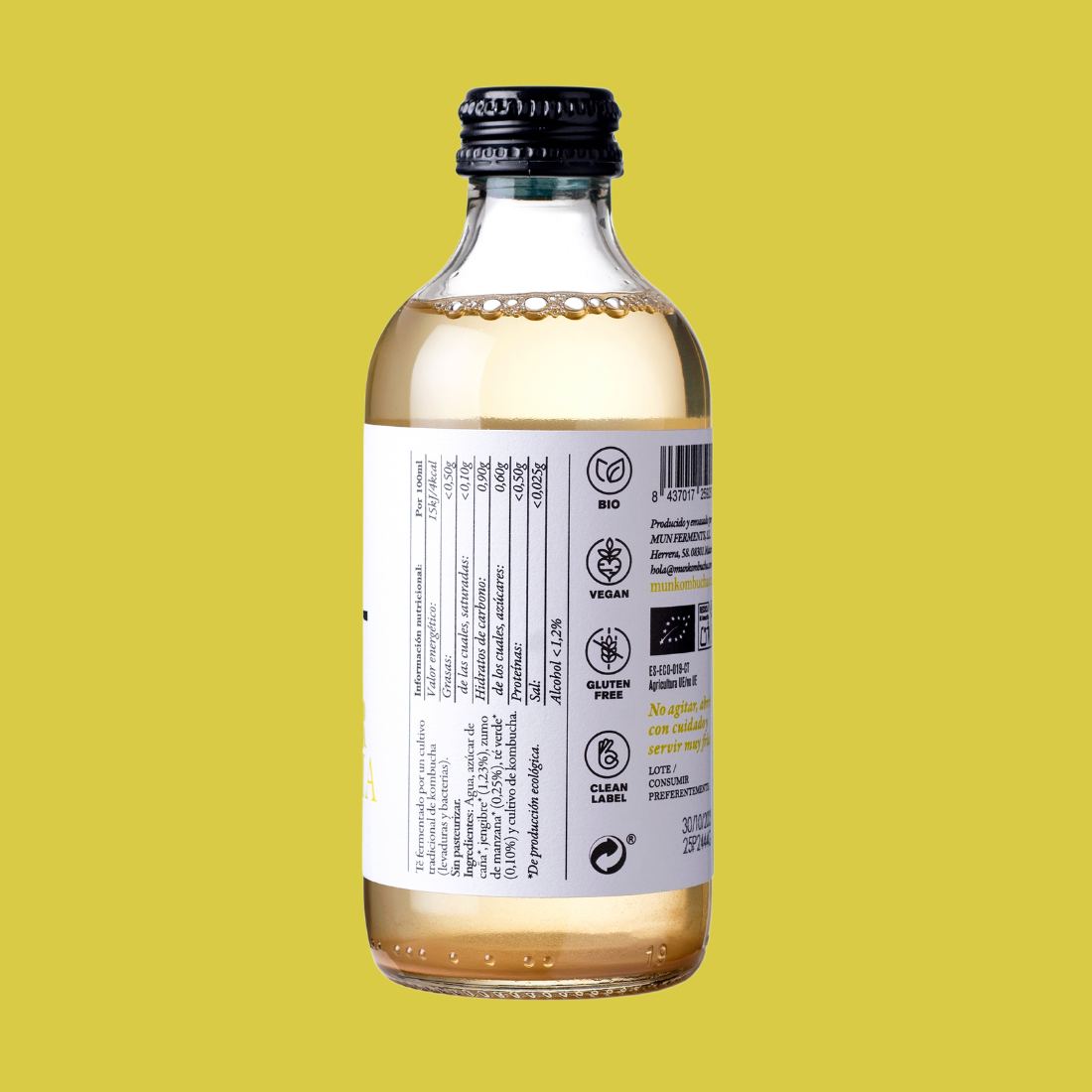
- Minimum residual sugar — in the case of Mūn, our Premium kombuchas have between 0.09 g and 1.80 g of sugar per 100 ml. Here you can see the official calculator.
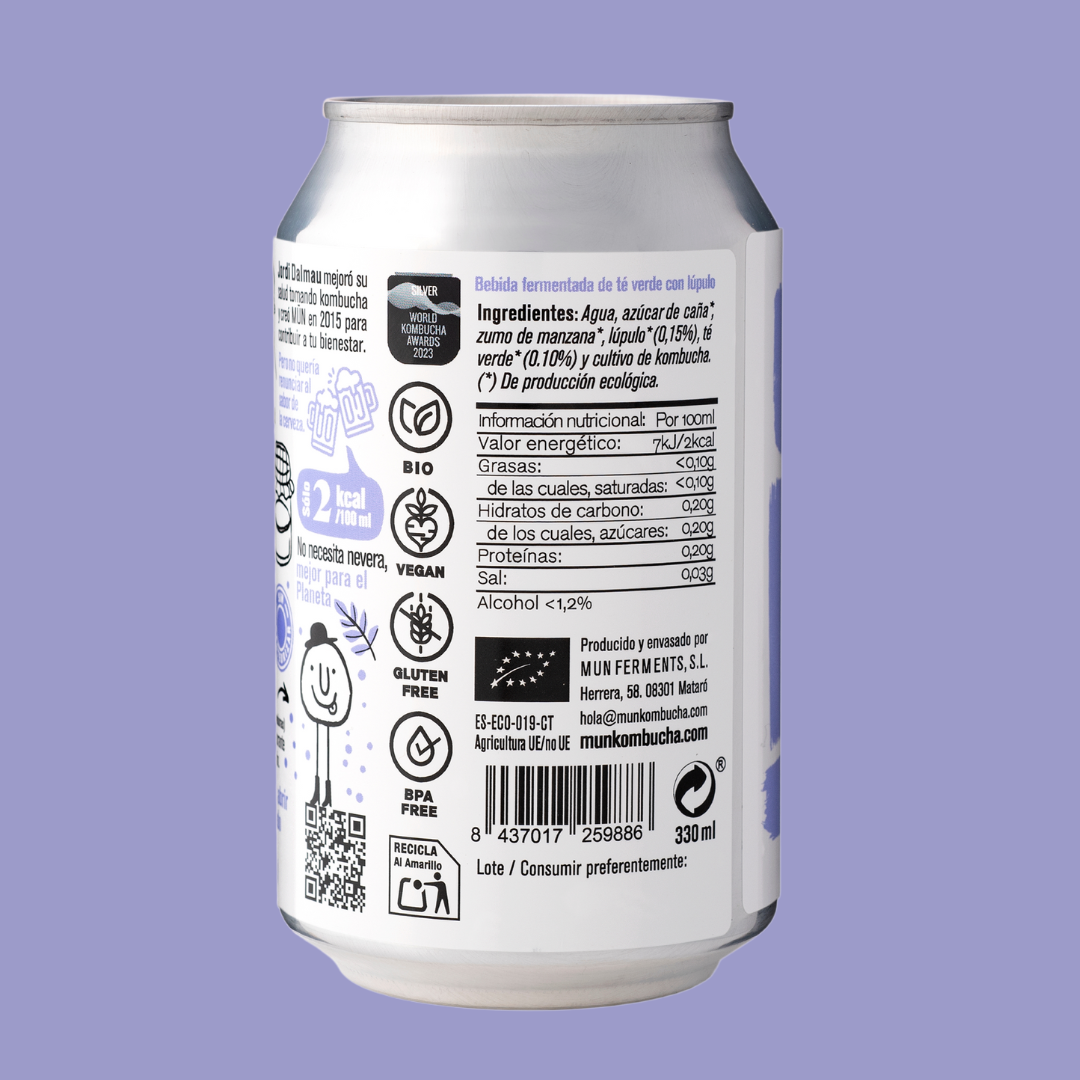
- Alcohol-free (<1.2%) and unpasteurized — a real alternative when you crave "something more" without overdoing it.
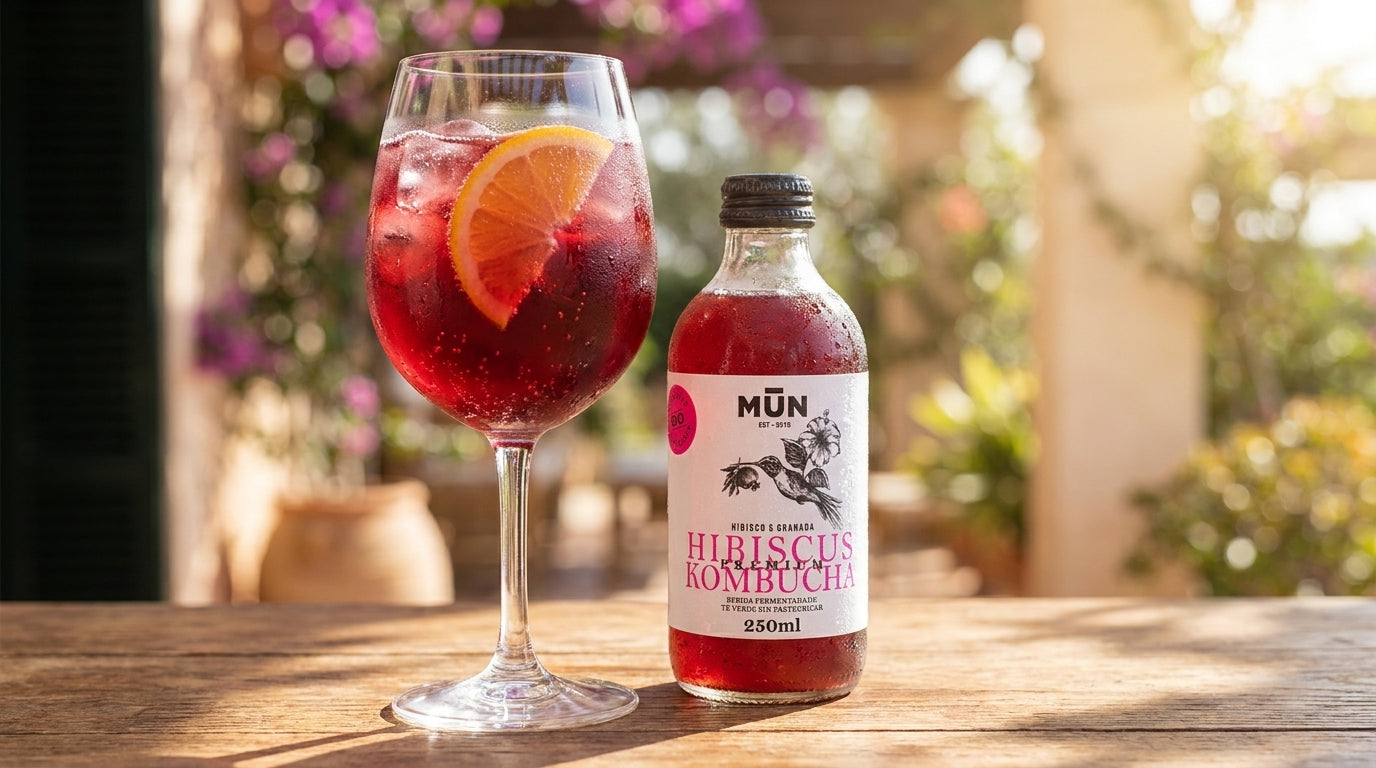
- HIBISCUS in Mūn Premium HIBISCUS — with anthocyanins and polyphenols associated with a slight reduction in blood pressure and a mild diuretic effect.
It's not a miracle. It's another tool. And, compared to a soda or an industrial juice, it's much more interesting at a stage where sugar and chronic inflammation are enemies to watch out for.
Frequently asked questions
Are there foods I should avoid during menopause?
Yes, within reason: added sugar, alcohol, ultra-processed foods, excess caffeine (especially in the afternoon), and very spicy or hot foods if you have hot flashes. Every body is different: keep a simple diary for 2 weeks to identify your triggers.
Is perimenopause the same as menopause?
No. Perimenopause is the transition phase (can last 4-10 years) in which the cycle becomes irregular but menstruation still occurs. Menopause is the specific moment when 12 months have passed without a period. And postmenopause is everything that comes after. The foods in this guide are valid for all three phases.
How much soy can I safely consume?
Evidence supports 50-100 mg/day of isoflavones, roughly equivalent to 200 g of tofu or a glass of soy milk per day. If you have a personal or family history of hormone-dependent cancer, consult your doctor before increasing consumption.
Does kombucha have contraindications during menopause?
Generally no. But since it contains a small amount of residual alcohol (<1.2%, within non-alcoholic beverage regulations), it is advisable to moderate consumption if you are taking incompatible medication. If you are pregnant, breastfeeding, or have an active digestive condition, check our contraindications first.
Is there a best time to drink kombucha?
Yes. In the morning or between meals is the most interesting time (it enhances the probiotic effect). Avoid the two hours before sleep if you are sensitive to the mild caffeine in tea.
How much water should I drink per day during this stage?
The general recommendation is 2-2.5 L/day, including liquids from meals. If you have hot flashes, even better. Infusions (hibiscus, chamomile, passionflower) and kombucha also count.
Are phytoestrogen supplements effective?
Meta-analyses are heterogeneous. Some women report benefit, others do not. Before starting supplements, try the dietary route for 2-3 months (it's safer and cheaper). If you decide to supplement, do so with a prescription.
How long will it take to notice changes?
Realism: 3-6 weeks to notice small changes in energy, sleep, and digestion. 3-6 months for sustained changes in body composition and skin. Consistency matters more than intensity.
Is it worth doing detoxes or fasts during menopause?
Extreme detoxes have no scientific backing and can worsen cortisol. Moderate intermittent fasting (12-14 nocturnal hours) can help stabilize insulin, but it's not for everyone. Consult a professional.
What if I have very intense symptoms?
Please, don't rely solely on this guide. See your gynecologist. There are very effective hormonal and non-hormonal treatments that can be evaluated on a case-by-case basis. Nutrition complements, it does not replace.
Want to start with kombucha?
Mūn has been making long-fermented, organic, unpasteurized kombucha with the lowest residual sugar on the market since 2015.
Or first calculate how much sugar each variety has.
Sources: Cochrane review on phytoestrogens and hot flashes; hibiscus and blood pressure meta-analysis; SEMNYM and AEEM 2024 guidelines; Journal of Mid-life Health 2023. Indicative information, does not replace personalized medical advice.