
by Marc Vergés, integrative dietitian
Gilbert's Syndrome – Meulengracht is an autosomal disease characterized by unconjugated hyperbilirubinemia in the absence of hepatocellular disease or hemolysis. In these patients, uridine diphosphate-glucuronosyltransferase activity is reduced by 30% of normal. (1) which results in elevated indirect hyperbilirubinemia. It affects between 4 to 16 percent of the population, and it usually appears during adolescence when there is an increase in sex steroids that affects bilirubin metabolism (2).

Figure 1. Geographical prevalence of benign hyperbilirubinemia
There are genotypes (people with altered genetic expressions) that present with a decrease in the activity of an enzyme, UGT1A1, (a decrease of between 10 to 35%) this enzyme is necessary to conjugate glucuronic acid with bilirubin so that it can be water-soluble and thus be excreted by the bile into the intestine. (2)
Characterization of Gilbert's Syndrome
Gilbert's Syndrome – Meulengracht is characterized by the incorrect elimination of bilirubin due to the body's inability to properly excrete it through correctly conjugated bile acid. The most visible consequence of this accumulation of bilirubin in the blood is the acquisition of a yellowish skin tone.
Another less visible consequence has to do with hormones like estrogens, which cannot be eliminated correctly, and similarly, many medications such as antiretrovirals (Atazanavir, Indinavir..), intravenous paracetamol, Irinotecan, or tolbutamide, among others, can cause toxicity if not eliminated correctly.
But there are also other less visible consequences; after bilirubin in the blood helps degrade worn-out red blood cells, it travels to the gallbladder to become part of lipid digestion processes, acting at the same time as a waste elimination agent (such as medications or oxidized bilirubin) that will be excreted into the intestine.
Ultimately, the hepatic process called glucuronidation fails. If the bile ducts are inflamed, good digestion is not possible, much less proper waste management, leading to poor digestion and greater toxicity in the blood, potentially increasing the likelihood of circulatory, inflammatory, and/or oxidative diseases. If not enough bile is produced, there will be poor fat digestion above all, as bile acid is required for them to be properly hydrolyzed for absorption, leading to gas, abdominal inflammation, and altered stool consistency.
Bilirubin levels in the blood will increase due to the rate or level of heme catabolism, bilirubin absorption from the intestine, hepatic excretion, and transepithelial transport from blood to intestine. (3) Those affected by Gilbert's Syndrome will have a higher chance of producing gallstones (2), but Gilbert's Syndrome can also have some advantages, due to the antioxidant power conferred by bilirubin blood levels, leading to a lower incidence of ischemic heart disease or different types of cancer such as Hodgkin's. (2,4,5).
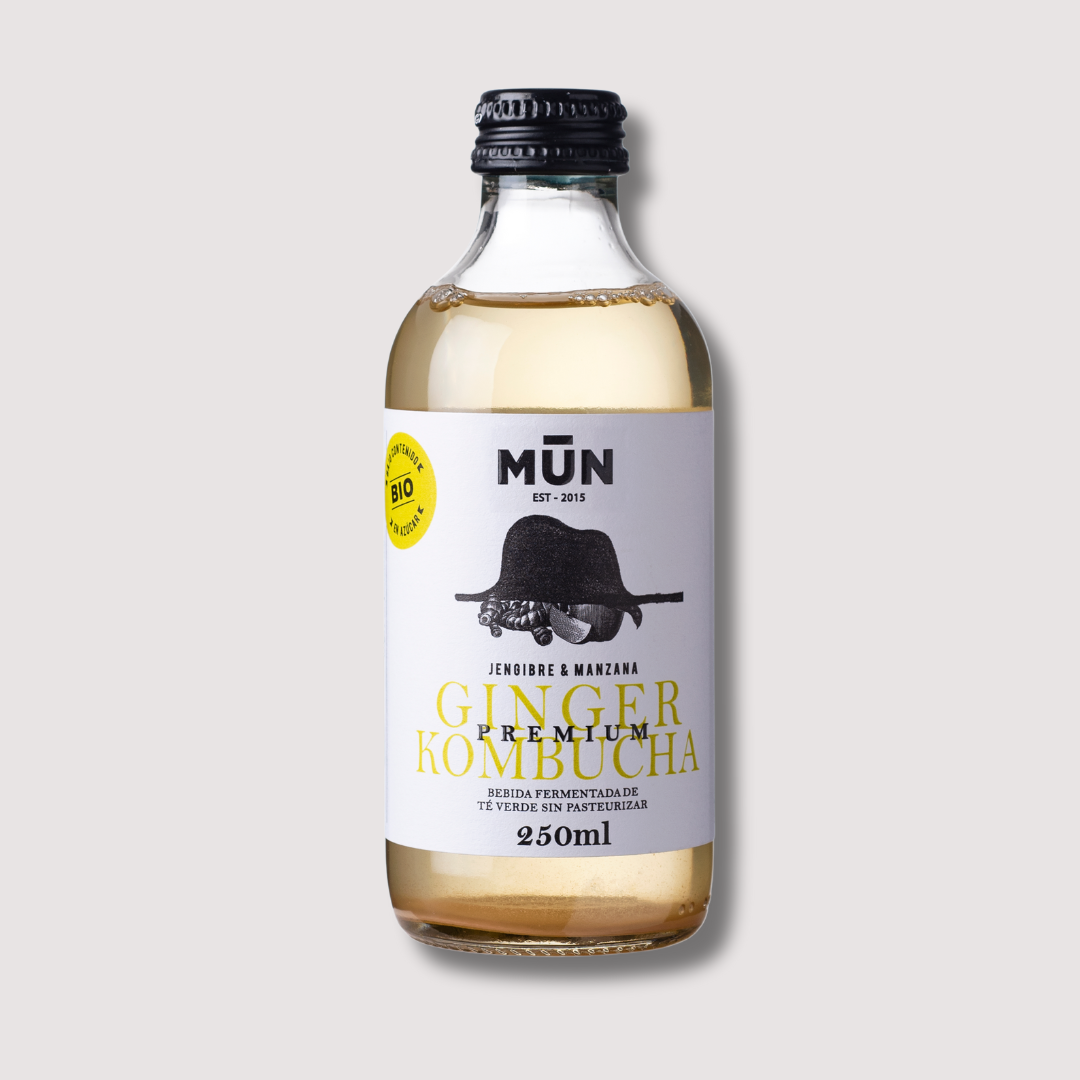
kombucha and Gilbert's Syndrome
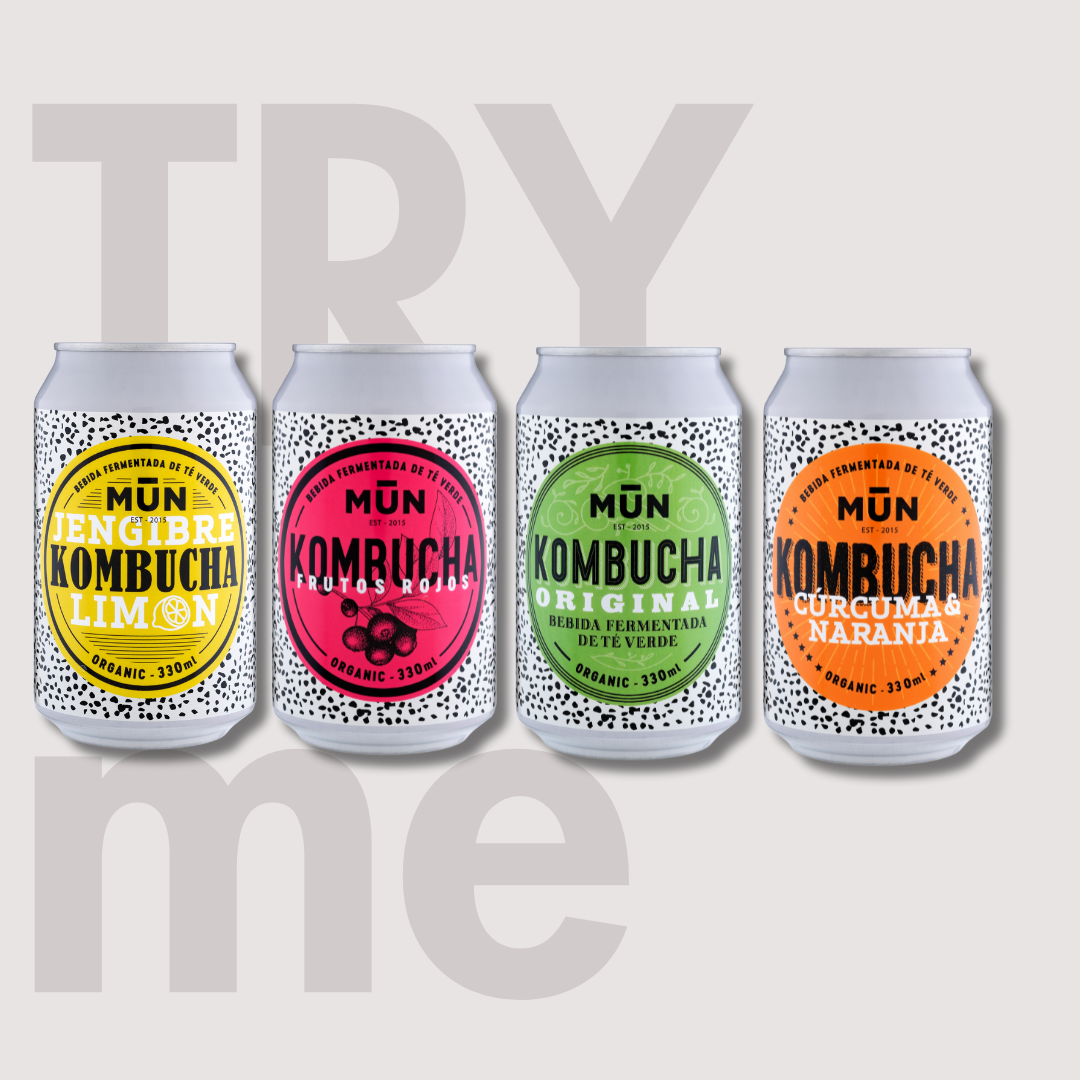
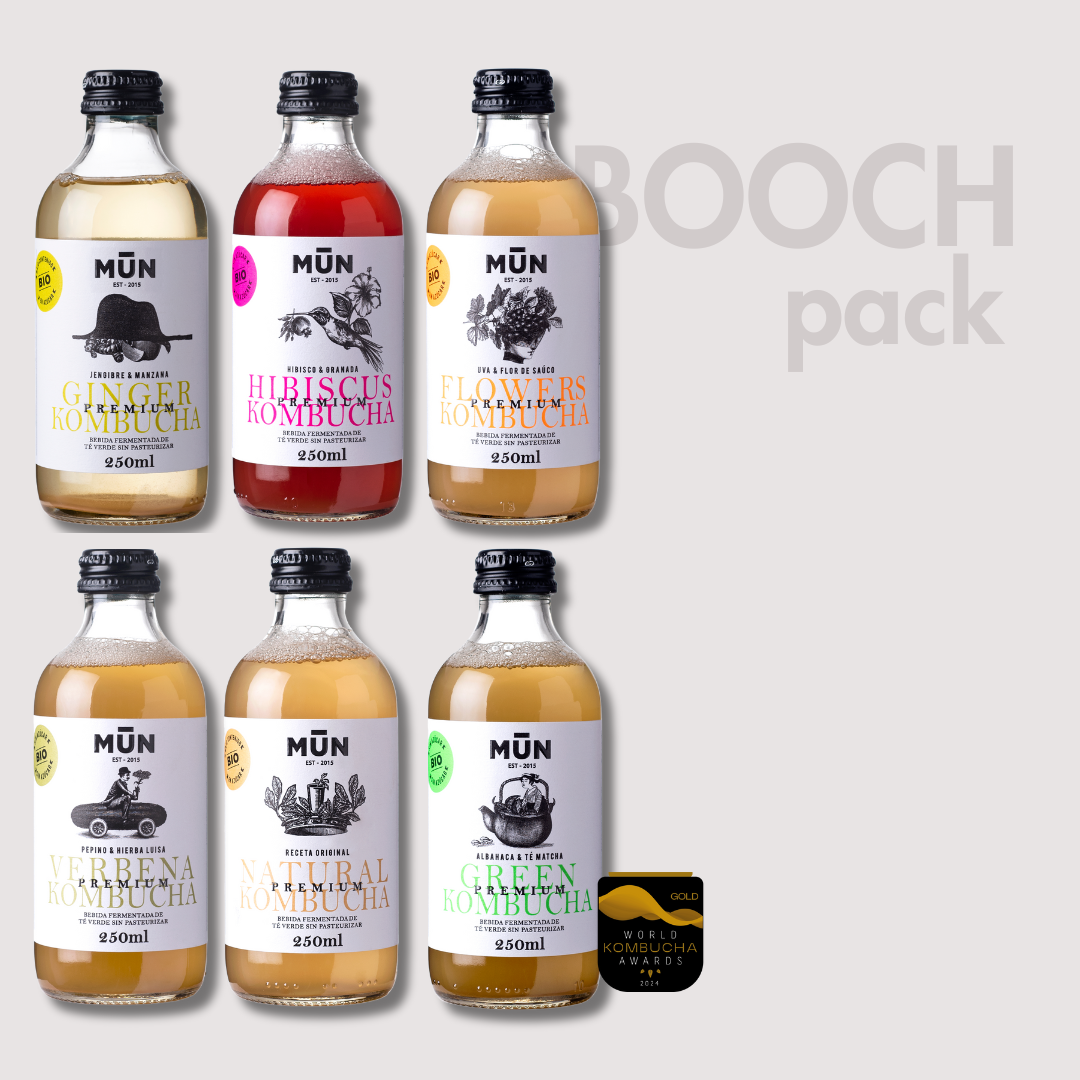
kombucha tea is a fermented beverage, slightly acidic, produced from the fermentation of tea leaves (Camellia sinensis) giving rise to a compendium of acetic acid bacteria including Acetobacter xylinum , A. xylinoides or Bacterium gluconicum and yeasts such as Saccharomyces cerevisiae , S. ludwigii , Zygosaccharomyces bailii , Z. rouxii , Schizosaccharomyces pombe , Torulaspora delbrueckii , Brettanomyces bruxellensis , B. lambicus , B. custersii , Candida sp., OPichia membranaefaciens. (6) The probiotic kombucha beverage can be made from the fermentation of different tea varieties; green (the most common), Oolong, or black.

There are preparations with rooibos that maintain the same properties as the beverage fermented with the previous teas but without theine and with lower acetic acid and ethanol content (9), which is interesting for people sensitive to caffeine and with low tolerance to acidic taste. However, rooibos is not from the Camellia Sinensis family and does not contain tannins, which are fundamental for kombucha to be produced batch after batch. Fermentations have also been carried out with oak leaves, showing results in greater anti-inflammatory capacity by reducing pro-inflammatory cytokines Il-6 and TNF-alpha, decreasing oxidative stress (10).
| kombucha | Glucuronic | Gluconic | DSL | Ascorbic | Acetic | Succinic |
|---|---|---|---|---|---|---|
| Green tea | 1,37 | 41,42 | 3,44 | 0,61 | 10,42 | ND |
| Oolong tea | 0,07 | 48,75 | 4,02 | 0,60 | 10,48 | ND |
| Black tea | 1,58 | 70,11 | 5,23 | 0,70 | 11,15 | 3,05 |
Mean values (g/L). DSL: D-saccharic-1,4-lactone acid. ND: not detected. Black tea has the highest total organic acid content; green tea stands out in polyphenols.
Source: Kaewkod T, Bovonsombut S, Tragoolpua Y. Efficacy of Kombucha Obtained from Green, Oolong, and Black Teas on Inhibition of Pathogenic Bacteria, Antioxidation, and Toxicity on Colorectal Cancer Cell Line. Microorganisms (2019).
kombucha prepared from black tea showed higher values of organic acid content in terms of glucuronic acid, gluconic, DSL, ascorbic, acetic, and succinic, compared to oolong tea and green tea. Green tea came in second. The highest level of organic acid content in kombucha tea was found to be gluconic acid. The glucuronic acid present in kombucha has been associated with a series of benefits for the liver. Glucuronic acid plays an important role in liver detoxification and in the process associated with the excretion of exogenous chemicals known as glucuronidation. (6) It is precisely for this reason (the presence of UDP-glucuronic acid) that it is an interesting probiotic or symbiotic for patients with Gilbert's syndrome. The kombucha beverage can have bile cleansing effects, specifically on the gallbladder (7), benefiting potential candidates for cholecystectomy in patients with genetic risk or due to poor epigenetics.
UDP-glucuronic acid has three main functions (8):
- Detoxification of poisonous substances through conjugation and subsequent elimination.
- Transport of hormones and other important substances through conjugation and subsequent release at the target location, tissue, etc.
- Intermediate in the biosynthesis of ascorbic acid (except in primates and guinea pigs).
The enemy of glucuronic acid or glucuronidation: Beta-glucuronidase.
Beta-glucuronidase is an enzyme produced by intestinal bacteria such as E.coli and can nullify the positive effects of glucuronidation. (11) In this way, toxins neutralized by glucuronidation would be reactivated. This can contribute to the appearance of different types of cancer, such as colon cancer or hormone-dependent breast and prostate cancers. (12,13)
Beta-glucuronidase levels increase if:
- Saturated fats predominate in the diet. (14)
- You are overweight (14)
- You are male (14)
- You are a veteran (15)
- You are a smoker (15)
- You have an inflamed liver or colon cancer. (16)
To counteract beta-glucuronidase:
Eat a plant-based diet, including squash, pumpkin, zucchini, cucumber, and watermelon, apples, pears, plums, cherries, peaches, raspberries, and strawberries) and legumes (peas and beans). (17) However, another study with 63 volunteers found an increase in this enzyme on a diet enriched with cruciferous vegetables, citrus fruits, and soy. (18) The fermented kombucha beverage also showed a reduction of this enzyme (19). Caloric restriction in monkeys and mice has also improved the decrease in beta-glucuronidase (20), although long fasts may not be suitable for Gilbert's, one can fast for 12-hour periods in the form of intermittent fasting, and according to my clinical experience in some cases, fasting hours can be increased if kombucha is consumed during the fasting period, not exceeding 16 hours of intermittent fasting, i.e., a 16/8 (16 hours of fasting and 8 hours of adequate intake). (Long fasts should not be practiced without the supervision of a specialist) Marc Vergés
Bibliography
- Fretzayas, A., Moustaki, M., Liapi, O. y col. Epónimo. Eur J Pediatr 171, 11-15 (2012)
- Thoguluva Chandrasekar V, John S. Gilbert Syndrome. [Updated April 11, 2019]. In: StatPearls [Internet]. Treasure Island (FL): StatPearls Publishing; 2020 Jan.
- Karl-Heinz Wagner, Ryan G. Shiels, Claudia Anna Lang, Nazlisadat Seyed Khoei y Andrew C. Bulmer (2018) Diagnostic criteria and contributors to Gilbert's syndrome, Critical Reviews in Clinical Laboratory Sciences, 55:2, 129-139, DOI: 10.1080 / 10408363.2018.1428526
- Gorbunova O, Chernysheva E. [A NEW LOOK AT GILBERT SYNDROME (LITERATURE REVIEW)]. Georgian Med News. 2019 Nov;(296):75-81.
- Vítek L, Jirsa M, Brodanová M, Kalab M, Marecek Z, Danzig V, Novotný L, Kotal P. Gilbert syndrome and ischemic heart disease: a protective effect of elevated bilirubin levels. Atherosclerosis. 2002 Feb;160(2):449-56. DOI:10.1016/s0021-9150(01)00601-3
- Kaewkod T, Bovonsombut S, Tragoolpua Y. Efficacy of kombucha Obtained from Green, Oolong, and Black Teas on Inhibition of Pathogenic Bacteria, Antioxidation, and Toxicity on Colorectal Cancer Cell Line. Microorganisms . 2019; 7 (12): 700. Published December 14, 2019 doi: 10.3390 / microorganisms7120700.
- Hepatotoxicity from “kombucha mushrooms”. Annals of Emergency Medicine, Volume 26, Number 5, 660-661. DOI: 10.1016 / s0196-0644 (95) 70028-5
- Hoffmann, N. «The ubiquitous co-enzyme UDPglucuronic acid detoxifying agent in kombucha tea.» 2000-03-24)[2007-11-30]. http://www. ourbluemarble. us/Norbert/kombucha/Glucuron/glucuron. htm (2002)
- Gaggìa F, Baffoni L, Galiano M, et al. Kombucha Beverage from Green, Black and Rooibos Teas: A Comparative Study Looking at Microbiology, Chemistry and Antioxidant Activity. Nutrients. 2018;11(1):1. Published 2018 Dec 20. doi:10.3390/nu11010001.
- Jessica Martínez Leal, Lucía Valenzuela Suárez, Rasu Jayabalan, Joselina Huerta Oros y Anayansi Escalante-Aburto (2018) A review on the health benefits of nutritional compounds and metabolites of kombucha, CyTA – Journal of Food, 16: 1, 390-399, DOI: 10.1080 / 19476337.2017.1410499
- Romilly E. Hodges and Deanna M. Minich. Modulation of Metabolic Detoxification Pathways Using Foods and Food-Derived Components: A Scientific Review with Clinical Application.Volume 2015 |Article ID 760689 | 23 pages | 9
- Calcium-D-glucarate.Altern Med Rev. 2002 Aug;7(4):336-9.
- Zółtaszek R, Hanausek M, Kiliańska ZM, Walaszek Z. [The biological role of D-glucaric acid and its derivatives: potential use in medicine]. Postepy Higieny i Medycyny Doswiadczalnej (Online). 2008 Sep;62:451-462.
- Maruti SS, Li L, Chang JL, et al. Dietary and demographic correlates of serum beta-glucuronidase activity. Nutr Cancer. 2010;62(2):208‐219. doi:10.1080/01635580903305375.
- Gratz, Matthias a ; Kunert-Keil, Christiane ab ; John, Ulrich c ; Cascorbi, Ingolf yd ; Kroemer, Heyo K. a Identification and functional analysis of genetic variants of human β-glucuronidase in a German population sample, Pharmacogenetics and Genomics: December 2005 – Volume 15 – Number 12 – p 875-881.
- Kim, D., Jin, Y. Intestinal bacterial β-glucuronidase activity in colon cancer patients. Arch Pharm Res 24, 564 (2001). https://doi.org/10.1007/BF02975166
- Johanna W. Lampe, Shuying S. Li, John D. Potter, Irena B. King, serum β-glucuronidase activity is inversely associated with plant food intake in humans, The Journal of Nutrition , Volumen 132, Número 6, junio de 2002, Páginas 1341–1344, https://doi.org/10.1093/jn/132.6.1341
- Maruti SS, Chang JL, Prunty JA, et al. Serum beta-glucuronidase activity in response to fruit and vegetable supplementation: a controlled feeding study. Cancer Epidemiol Biomarkers Prev. 2008; 17 (7): 1808-1812. doi: 10.1158 / 1055-9965.EPI-07-2660.
- KanWangXuhuaGanXinyunTangShuoWangHuarongTan. Determination of D-saccharic acid-1,4-lactone from brewed kombucha broth by high-performance capillary electrophoresis. https://doi.org/10.1016/j.jchromb.2009.12.003.
- Reynolds MA, Dawson DR, Novak KF, et al. Effects of caloric restriction on inflammatory periodontal disease. Nutrition. 2009;25(1):88‐97. doi:10.1016/j.nut.2008.07.003
Graduated in Human Nutrition, phytotherapist and supplementation expert, as well as a sports coach. Specialized in inflammation and autoimmune diseases, with nearly 25 years of experience. Author of the books Grasas buenas: cuida tu salud con la nutrición evolutiva and Paleo dieta para deportistas. He advocates for the role of fermented foods —like kombucha— within an anti-inflammatory diet.