Why Quitting Alcohol Can Change Your Life
Quitting alcohol is a decision that can transform your health, well-being, and relationships. It's not just about eliminating a substance, but about changing habits and finding new ways to enjoy life.
One of the most popular initiatives is Dry January, a movement that encourages people to quit alcohol for a month to experience its benefits. It doesn't have to be January to try it: any time is good to start.
Benefits of Quitting Alcohol
An Expert View: Masterclass with Ramón Zelada
To better understand what happens in our body when we quit alcohol, we had the privilege of holding a masterclass with Ramón Zelada, an expert in health and well-being. Ramón offered us a deep perspective on how alcohol affects us physically, mentally, and emotionally, debunking many myths about its consumption.
From his experience, Ramón's approach does not focus on prohibition or moralistic speeches, but on something much more practical and revealing:
- How alcohol interferes with our physiological processes and why, even if we think it relaxes us or helps us sleep, it actually has the opposite effect.
- The role of alcohol in chronic inflammation and the digestive system, explaining how it impacts the microbiota and liver function.
- Why alcohol alters hormone production and affects neurochemical balance, generating more anxiety and emotional dysregulation in the long term.
- The big lie of “moderate consumption”, which in many cases is used as a social justification for a habit that continues to have negative consequences.
During the session, Ramón clearly broke down what really happens in the body when we eliminate alcohol and how the benefits can be noticed in just a few weeks. His key message is:
“It's not about restricting yourself, but about giving yourself the opportunity to experience how your body feels without alcohol. Most people don't realize how good they could be because they have never lived without that conditioning.”
How Quitting Alcohol Affects Our Health
Physical Health:
- Improved sleep quality and increased energy.
- Brighter skin and reduced inflammation.
- Regulation of the digestive system and reduced burden on the liver.
- Possible weight loss due to reduced empty calories.
Mental and Emotional Health:
- Reduced anxiety and mood swings.
- Greater mental clarity and better decision-making.
- Lower risk of depression.
Social and Economic Benefits:
- Money savings by avoiding alcoholic beverages.
- More authentic relationships and less based on consumption.
- Greater enjoyment of activities without the need for alcohol.
Strategies for Quitting Alcohol
Identify Your Relationship with Alcohol
Not everyone consumes alcohol for the same reasons. Ask yourself:
- Do I drink out of habit or for pleasure?
- Do I feel social pressure to drink?
- What role does alcohol play in my life?
The key is to understand how and why you consume alcohol to be able to design an effective strategy.
Find Healthy Substitutes
One of the aspects mentioned in the webinar is that it's not just about eliminating alcohol, but about replacing it with alternatives that bring you satisfaction. Some options include:
- Sparkling water with citrus slices.
- Cold teas and infusions.
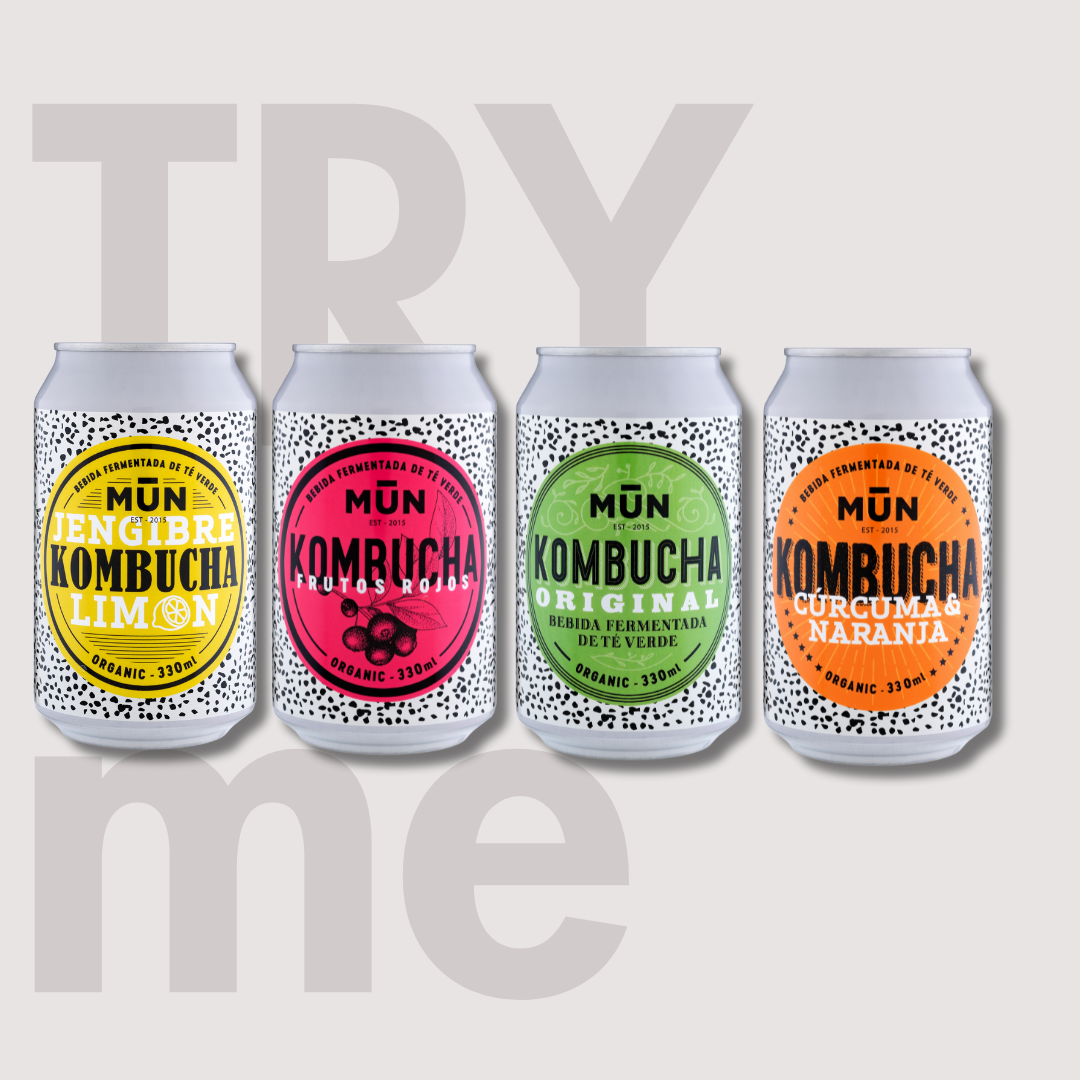
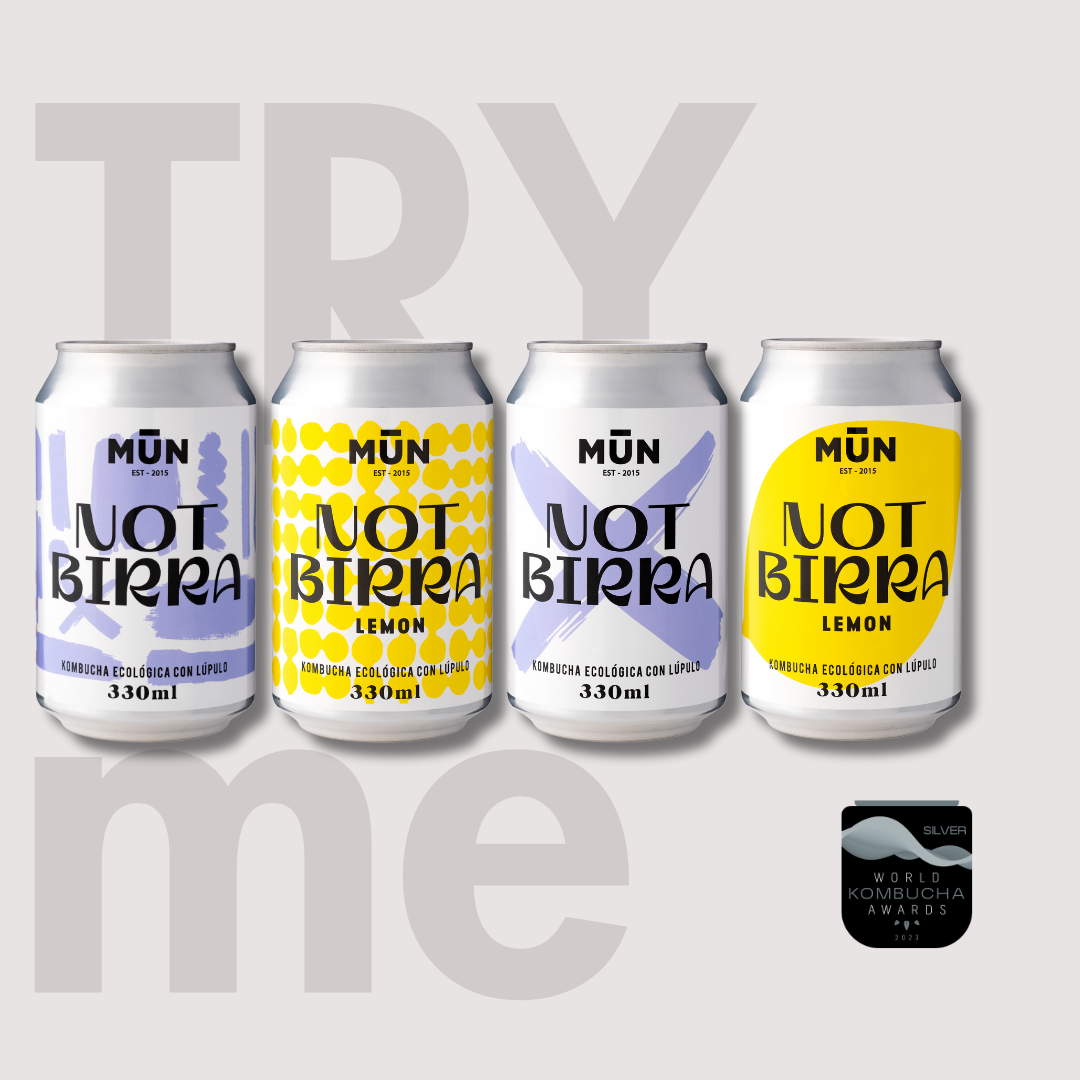
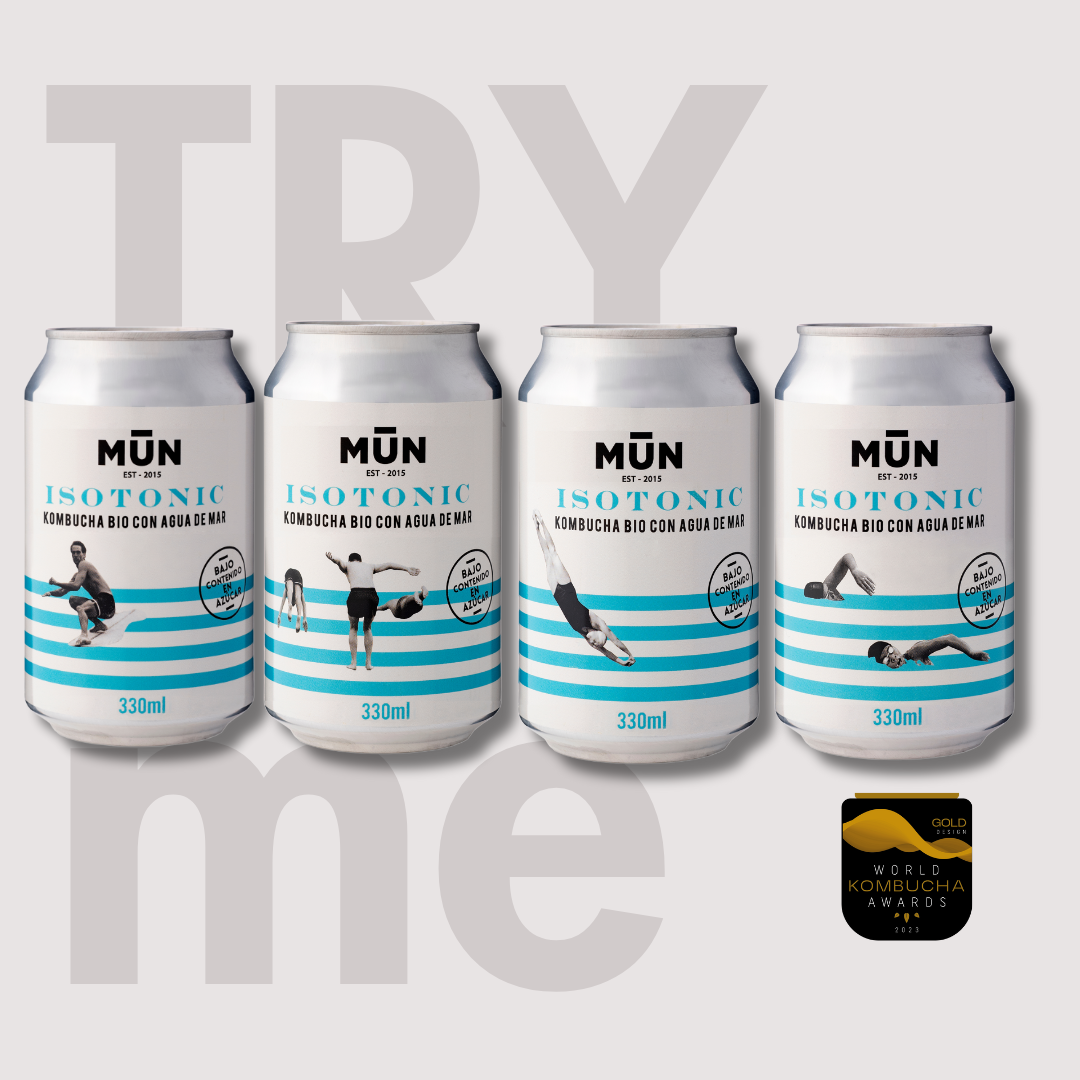
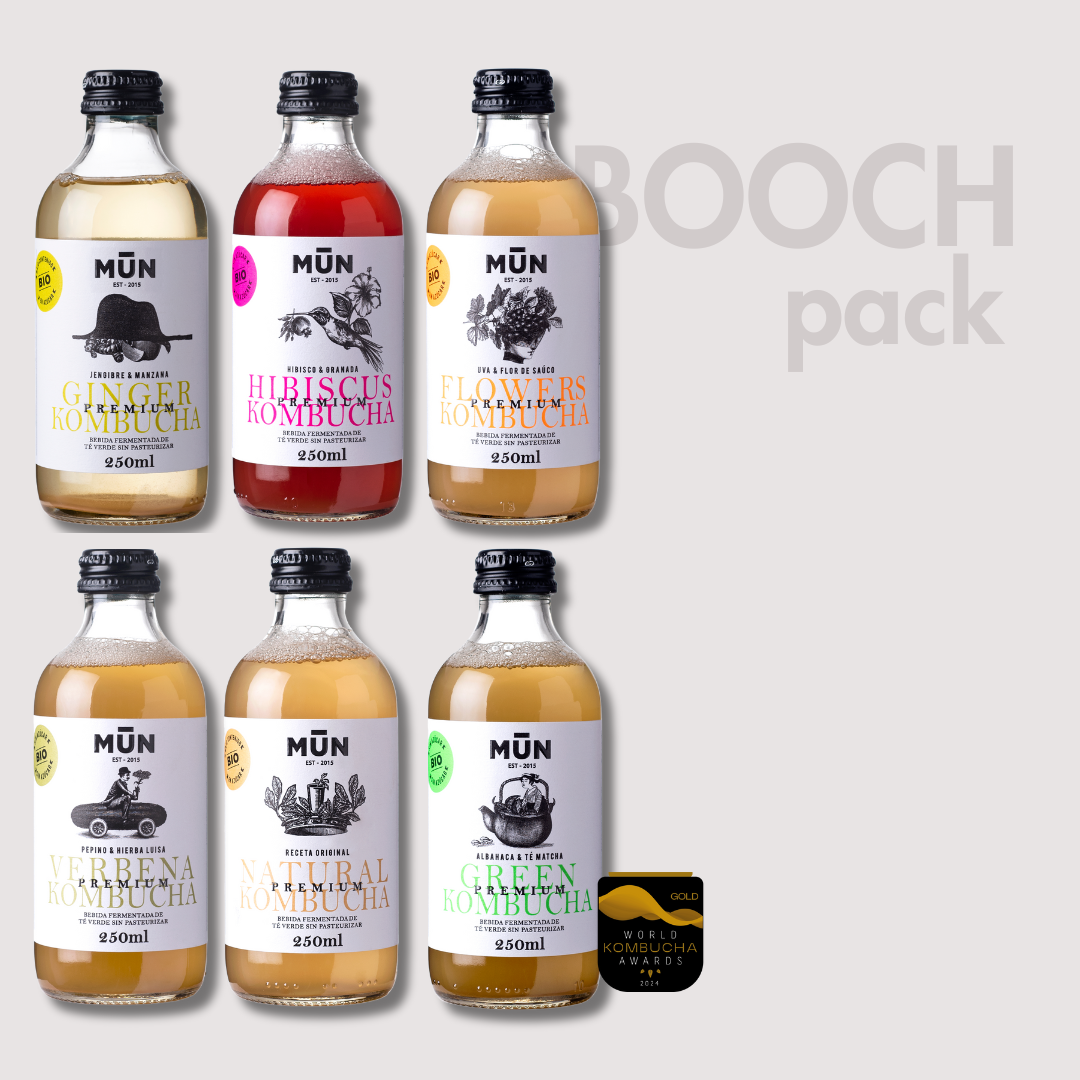
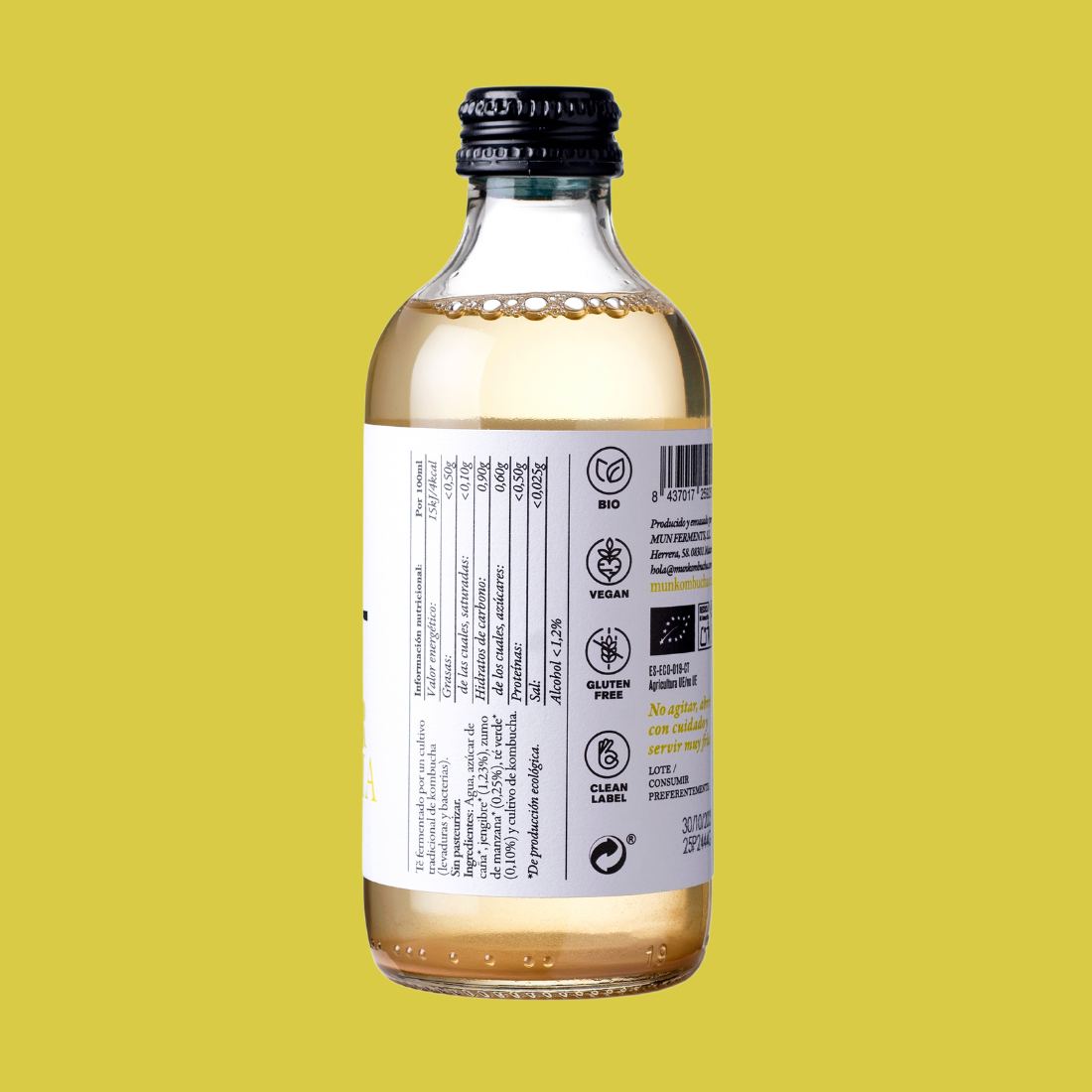
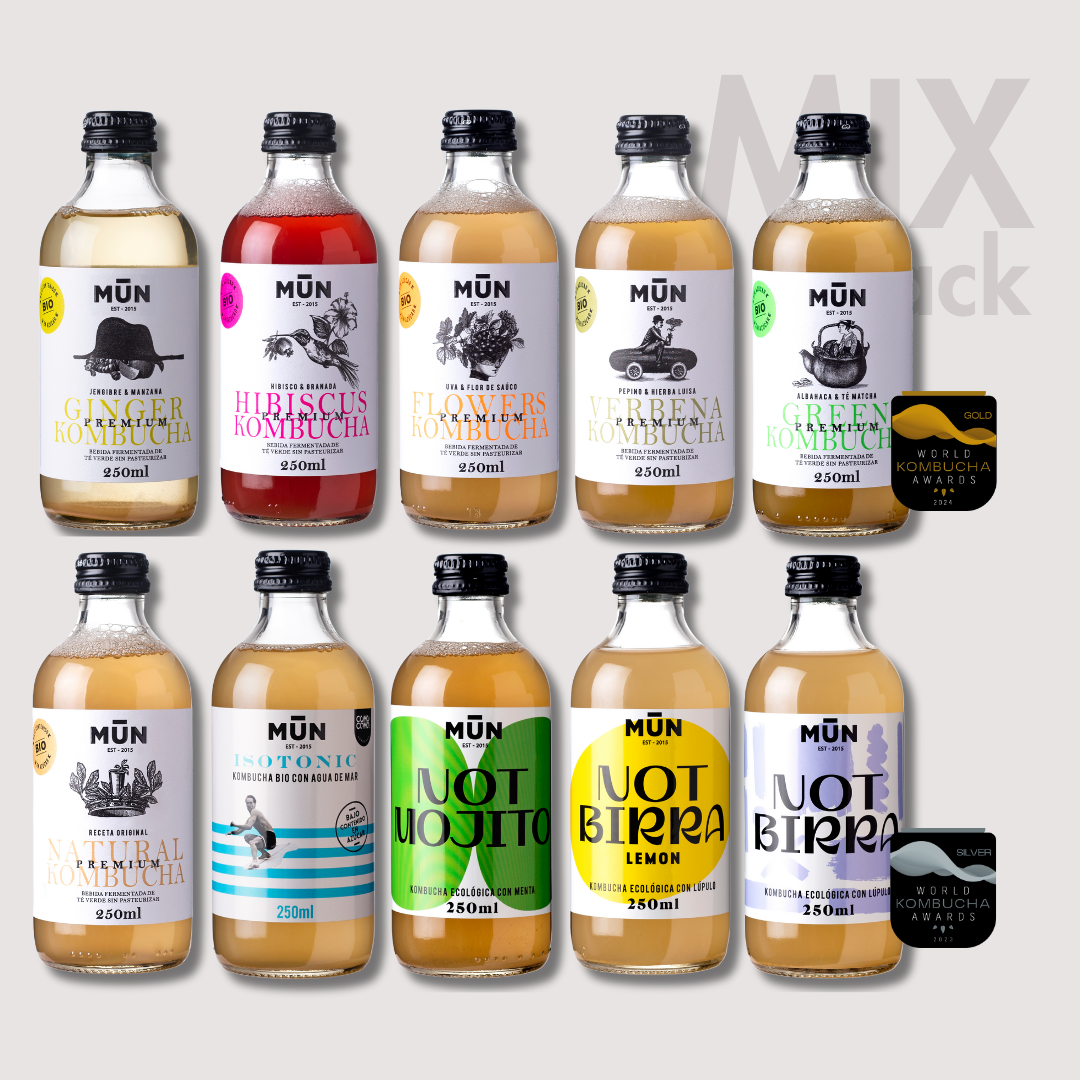
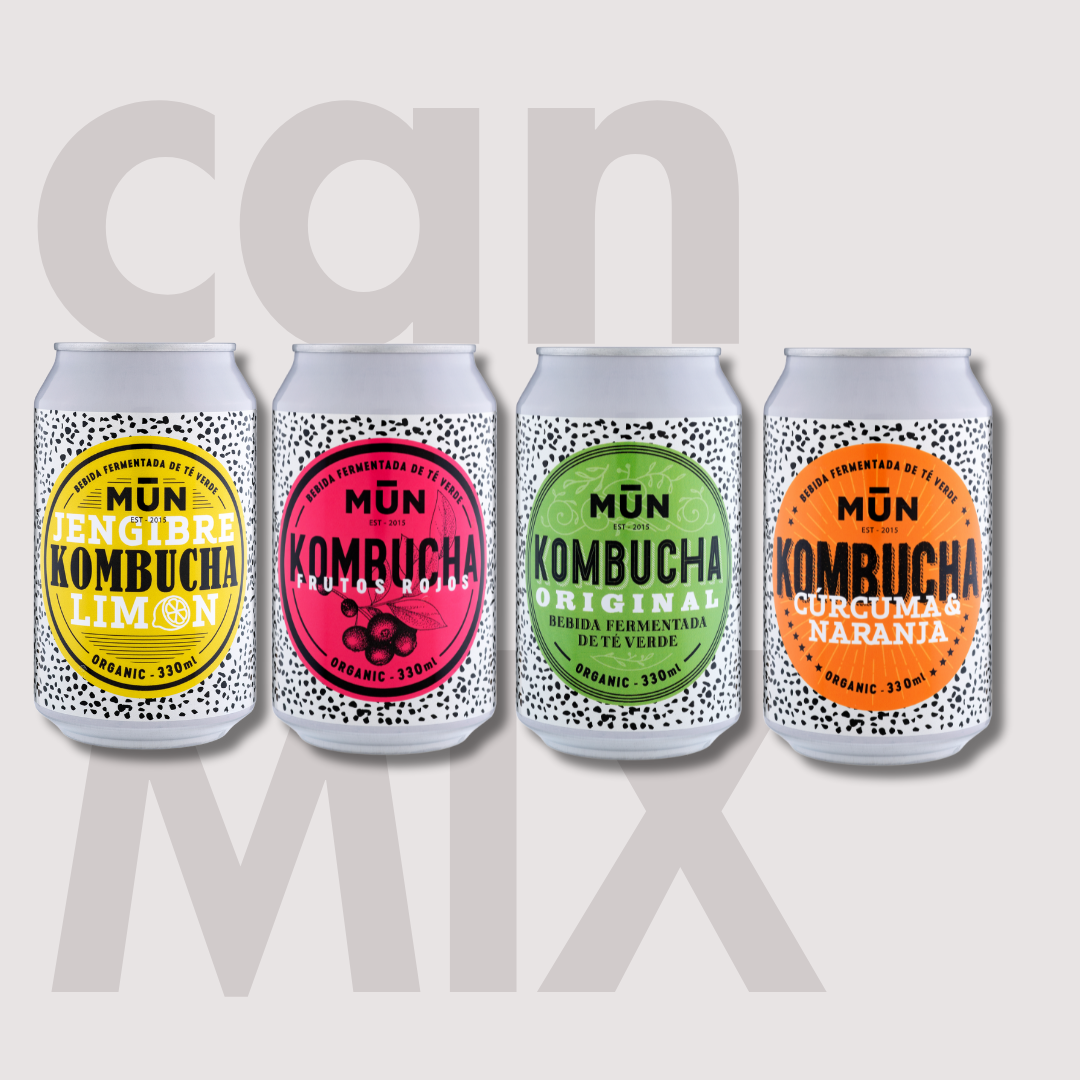
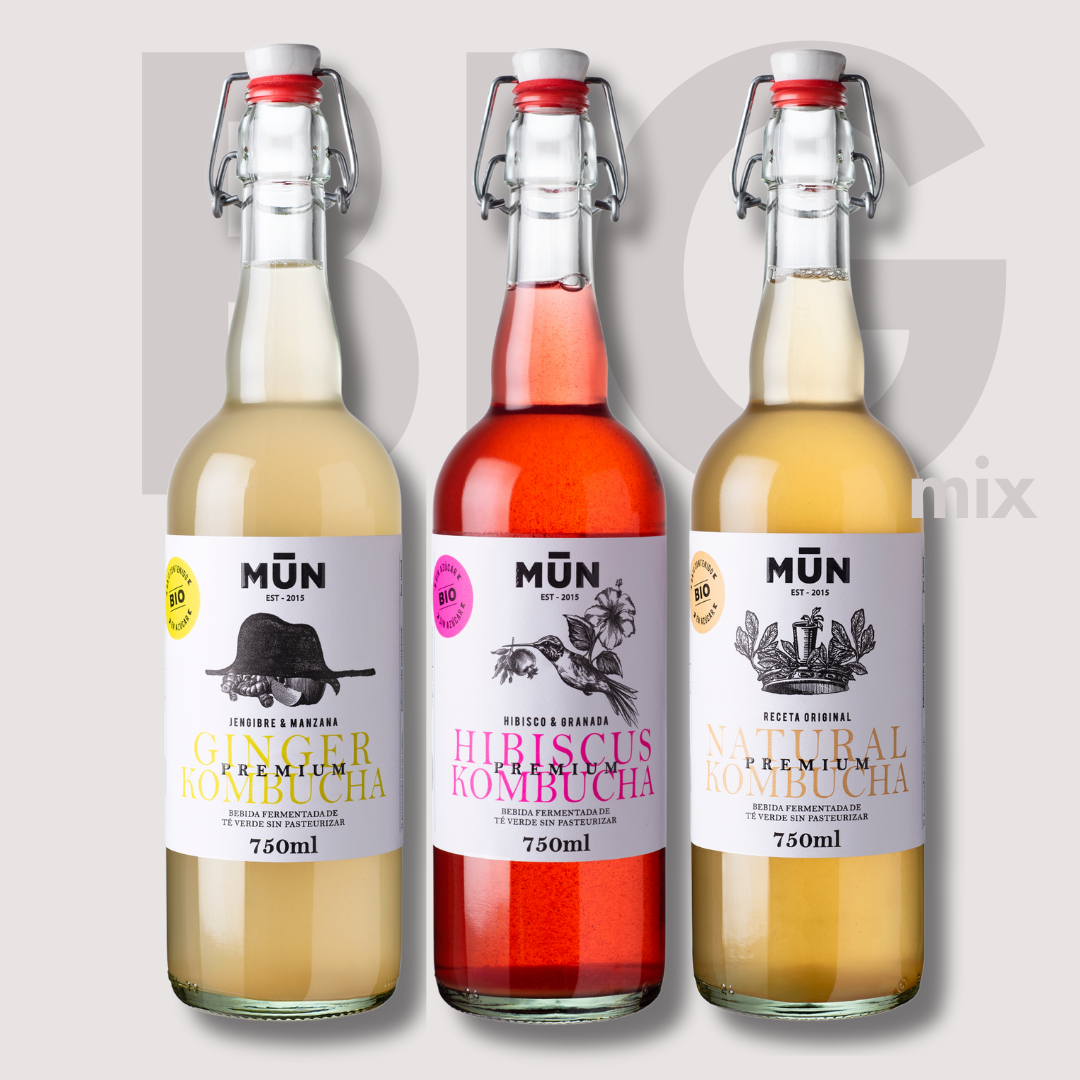
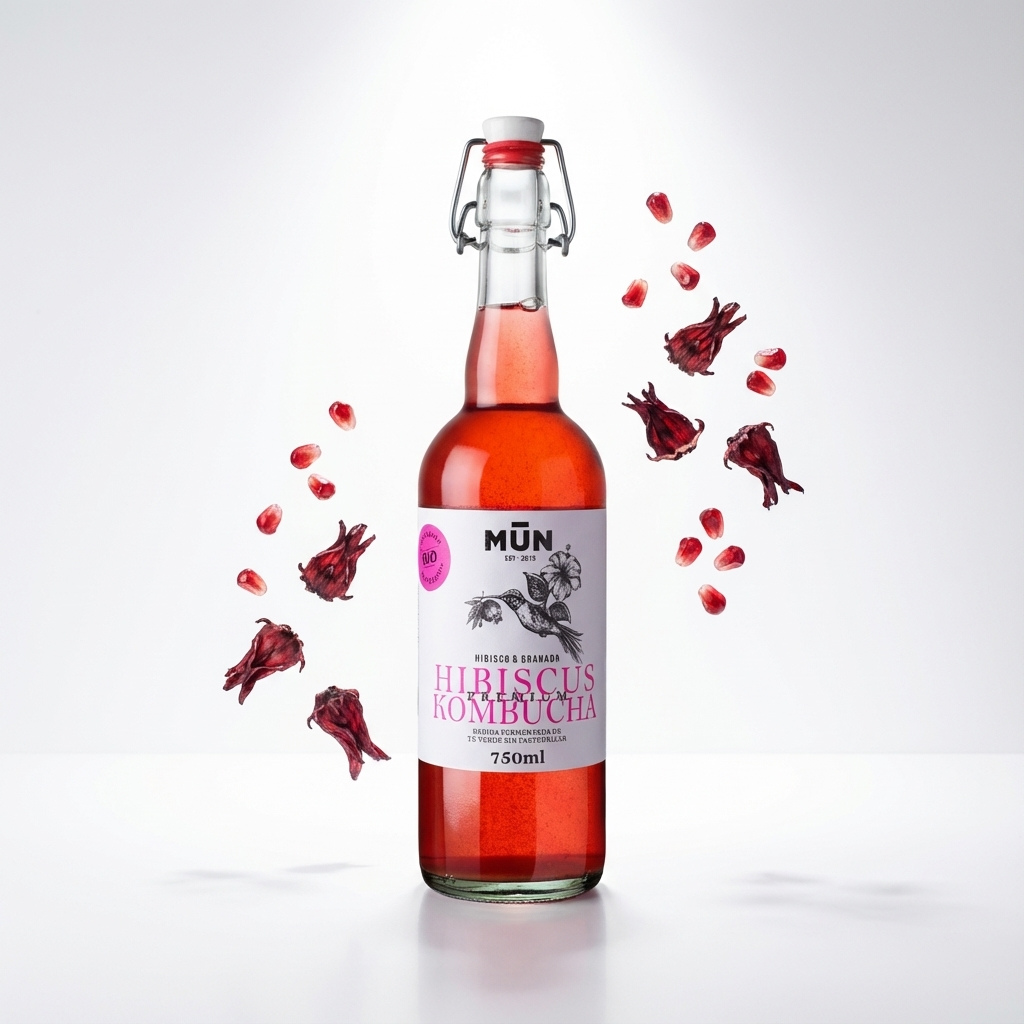
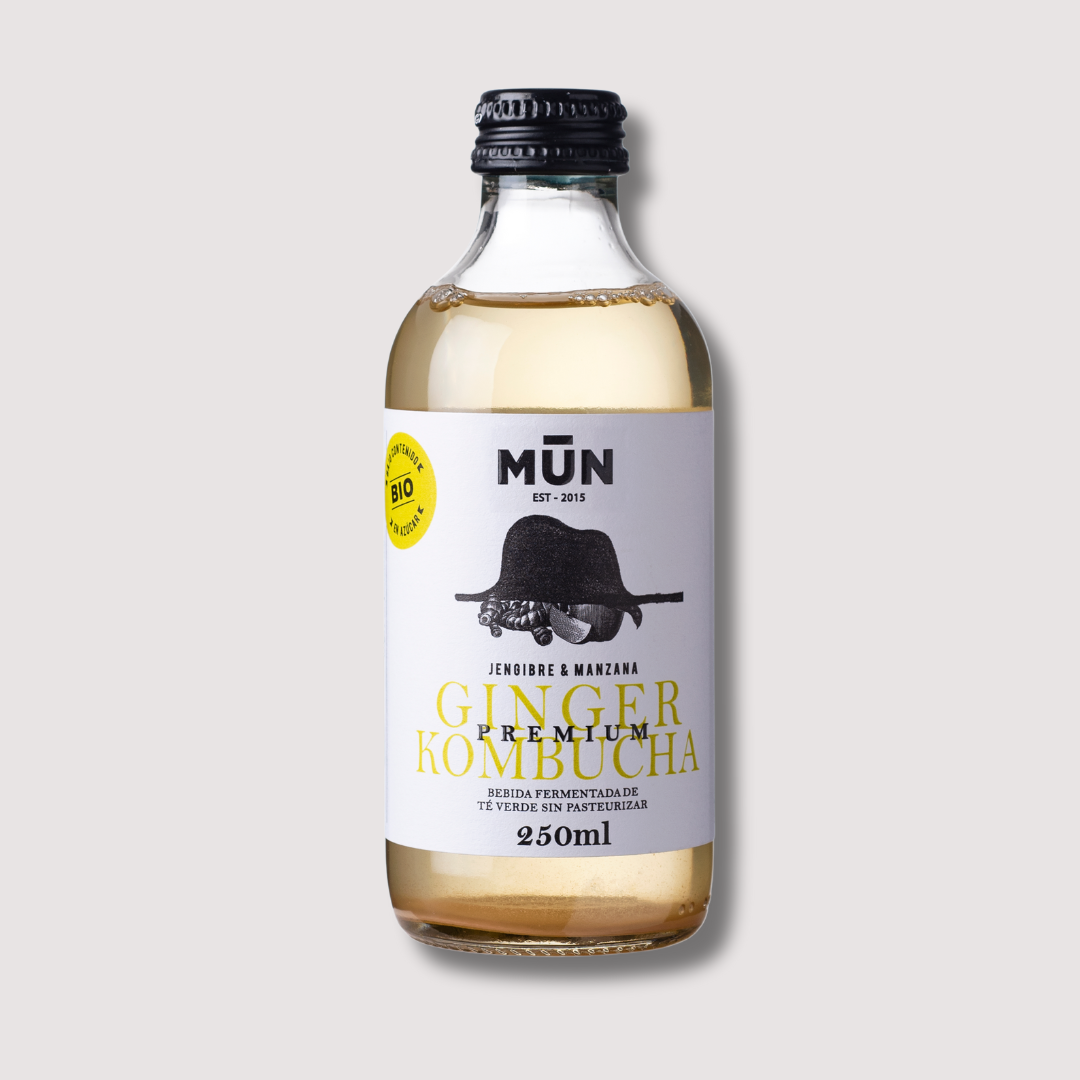
- Kombucha, a fermented drink with a sophisticated flavor profile, which many former alcohol consumers enjoy because it reminds them of drinks like beer or sparkling wine.
Change Your Environment and Habits
Quitting alcohol doesn't mean giving up your social life, but it does require modifying certain habits:
- Avoid places or situations that tempt you to drink in the first few weeks.
- Explain your decision to friends and family so they respect your choice.
- Discover new activities that don't revolve around alcohol, such as playing sports, learning to cook new dishes, or practicing meditation.
Manage Moments of Temptation
The webinar highlights that it's key to anticipate difficult moments and have strategies prepared:
- Practice mindfulness: be aware of your desire to drink and let it pass without acting on it.
- Make strategic substitutions: always carry a non-alcoholic drink at meetings or outings.
- Reinforce your motivation: remember why you started this journey.
The Power of Community: You Are Not Alone
One of the most important aspects of change is having support. According to the webinar, many people have found in support groups and online communities to be a fundamental pillar for staying firm in their decision.
Some options for surrounding yourself with people who have the same goal include:
- Joining challenges like Dry January.
- Participating in wellness and health groups.
- Sharing your process on social media or with friends.
Testimonial: José Torrecillas from LivingCeroCero and the Pride of Being Sober
On our journey to promote an alcohol-free lifestyle, we met José Torrecillas, creator of LivingCeroCero. His story inspired us so much that we decided to share it here, so that more people can see that quitting alcohol is not only possible, but can be a source of pride.
José did not quit alcohol due to a medical obligation or a personal crisis, but out of a conscious and thoughtful decision. He visited us at the factory and, as we spoke, it became clear that his transformation was not a sacrifice, but a process of personal discovery.
The Awakening: Deciding to Quit Alcohol in a Society That Normalizes It
From a young age, José grew up in an environment where alcohol was present at any celebration, family gathering, or outing with friends. Like most, he never questioned his consumption. Drinking was part of life, something that was simply done.
But over time, he began to notice certain negative effects on his body and mind:
- Constant fatigue after nights of moderate consumption.
- Demotivation and lack of mental clarity.
- Need to “recover” after drinking, something that seemed normal but made him feel limited.
There came a moment when he asked himself:
“If alcohol is so normal, why do I always feel better when I don't consume it?”
This reflection led him to experiment with periods without alcohol. What started as a few-week experiment turned into months and then a definitive lifestyle.
The Challenges of Being Sober in a Drinking Society
One of the biggest obstacles José encountered was not alcohol dependence, but social pressure. From comments like “Not even one beer?”, to people who felt uncomfortable with his decision.
“It's curious how when you decide to quit alcohol, the people around you seem to feel attacked, as if your decision were a judgment against them. But in reality, it has nothing to do with others, but with feeling better about yourself.”
He learned to handle these situations with confidence and humor, explaining that his decision was not a restriction, but a choice for well-being. Over time, he realized that those around him ended up respecting him and even, some were inspired by his example to drink less.
What You Gain by Living Without Alcohol
Now, José defines himself as a “proud sober person”. His life changed in many aspects:
✅ Increased energy and vitality: He doesn't need to “recover” after a night out.
✅ Better mood and mental clarity: Without the emotional ups and downs that alcohol generates.
✅ New ways to enjoy life: He discovered interesting drinks like kombucha, which offer him the complexity of flavors he sought without the negative effects of alcohol.
✅ More authenticity in his relationships: Connections with people are more genuine, without the need for a drink in hand.
His Message for Those Who Want to Quit Alcohol
José knows that each person has their own process, but if he had to give one piece of advice, it would be this:
“Don't think about what you're giving up, but what you're gaining. True freedom is not being able to drink whenever you want, but not needing alcohol to enjoy life.”
Today, with LivingCeroCero, he dedicates himself to sharing his experience and helping those who want to reduce or eliminate alcohol from their lives. Being sober is not boring, it's empowering.
📌 Curiosity: Did you know that yeasts “learned” to produce alcohol as a biological weapon?
In nature, survival is a constant battle between microorganisms. Yeasts, those tiny beings responsible for fermentation, don't just produce alcohol by chance, but developed this ability as an evolutionary strategy to eliminate competitors.
For millions of years, yeasts of the genus Saccharomyces (the same ones found in the production of bread, beer, wine, and kombucha) “learned” to produce ethanol as a biochemical weapon. This compound, toxic to many bacteria and other microorganisms, allows them to dominate the environment and access resources with less competition.
🔬 The Process: How Yeasts Won the Microbial Battle
1️⃣ Alcoholic Fermentation: When yeasts find an environment rich in sugars (like ripe fruits), they transform glucose into ethanol and carbon dioxide through fermentation.
2️⃣ Natural Selection: Ethanol acts as a natural antimicrobial, killing or inhibiting the growth of many competing bacteria and other fungi.
3️⃣ Evolutionary Resistance: While many bacteria die at moderate alcohol concentrations, yeasts have developed a special resistance to ethanol, allowing them to survive in their own toxic environment.
🍷 Why Is This Relevant to Humans?
The interesting thing is that, throughout history, humans discovered and leveraged this yeast strategy for their own benefit. From ancient civilizations, alcoholic fermentation was used not only to create beverages, but also as an early form of food preservation and potable water, as alcohol helped eliminate dangerous microorganisms.
Today, although alcohol continues to play a role in many cultures, we also better understand its effects on the human body and its impact on our health. What was once an evolutionary advantage for yeasts is not necessarily so for us.
📢 Fun fact: While yeasts developed mechanisms to tolerate alcohol, the human body has not done so to the same extent. Our liver needs to constantly process and eliminate it, which generates significant metabolic stress, affecting long-term health.
So, the next time you see a fermented drink, remember: alcohol is the result of a microbial war that yeasts have been winning for millions of years. 🚀🍷