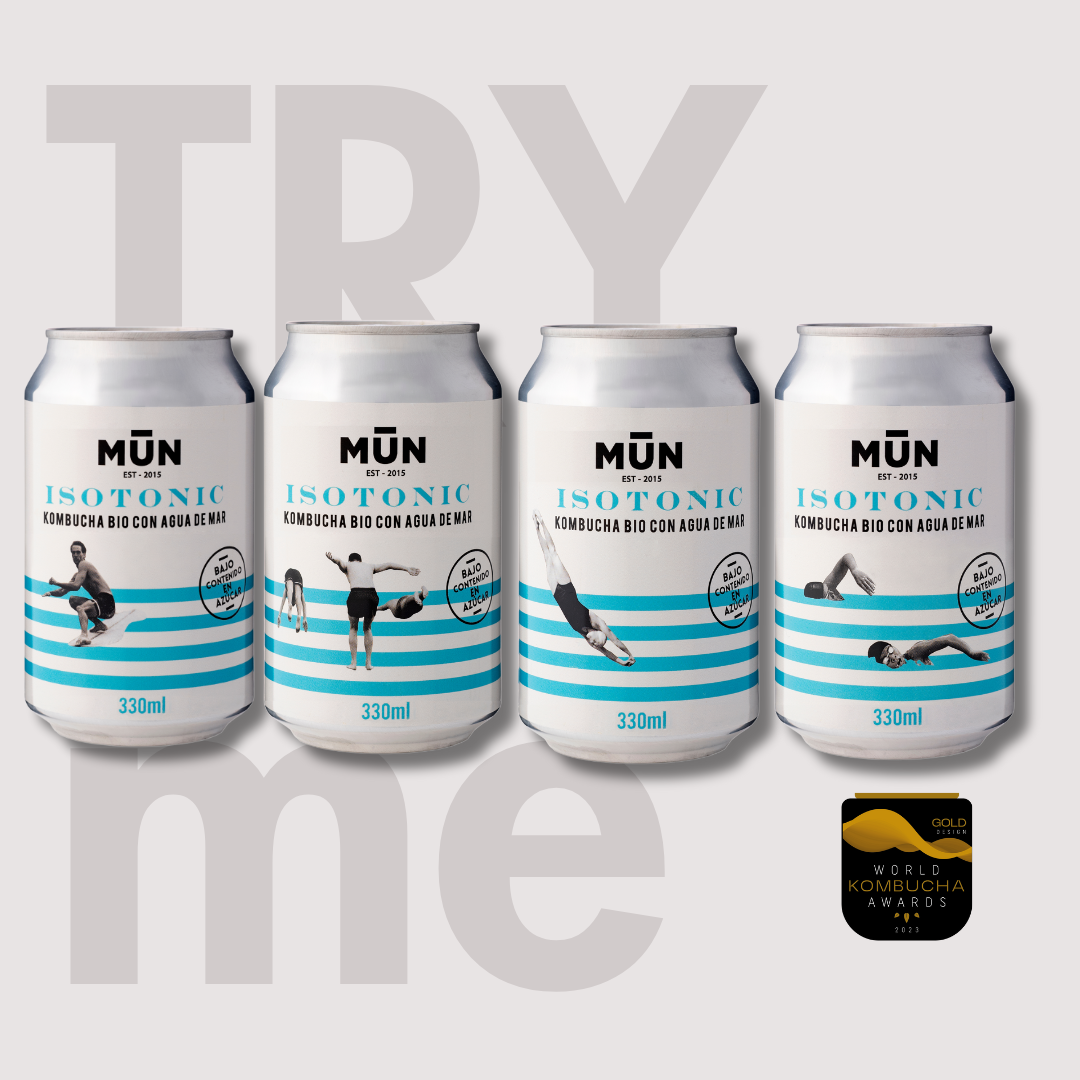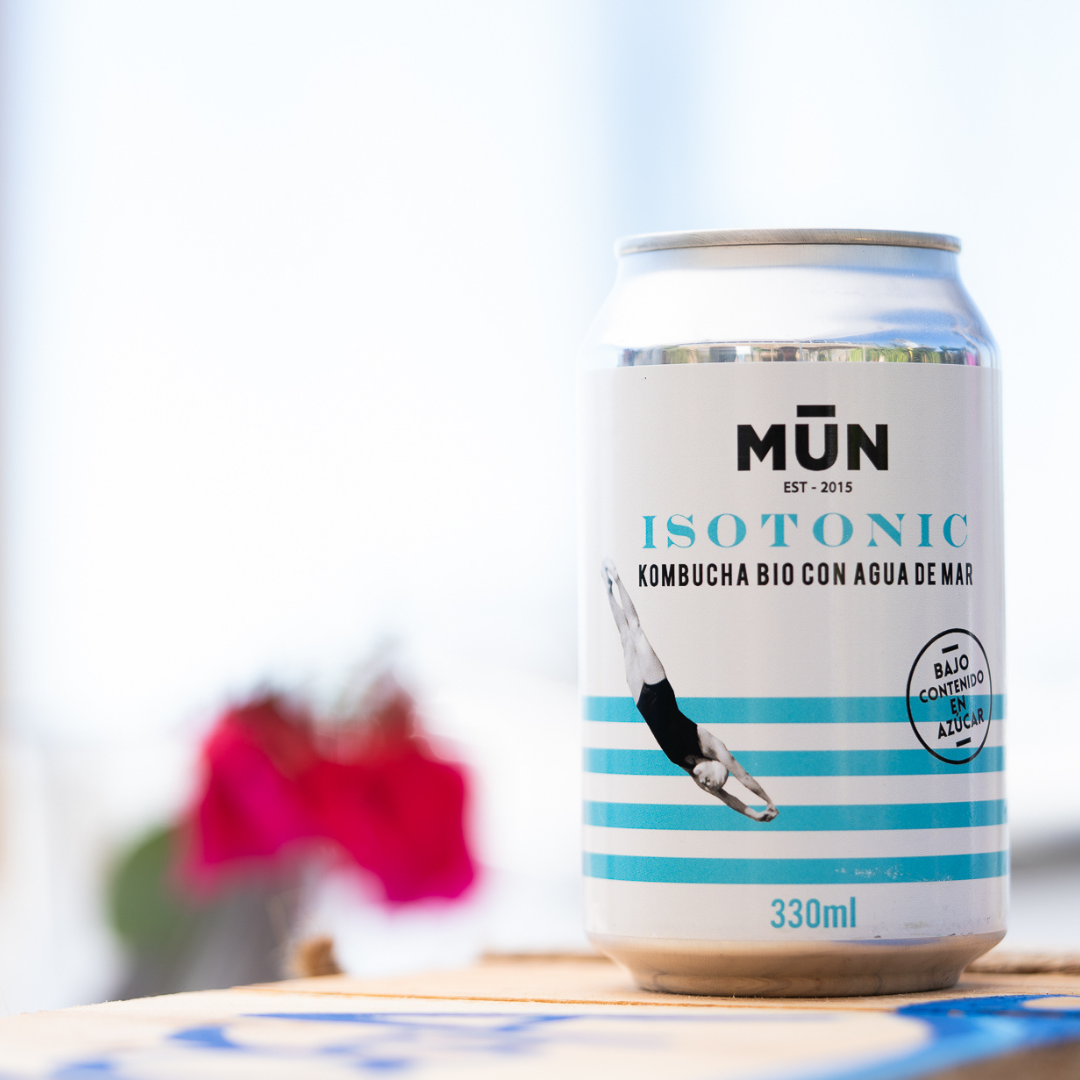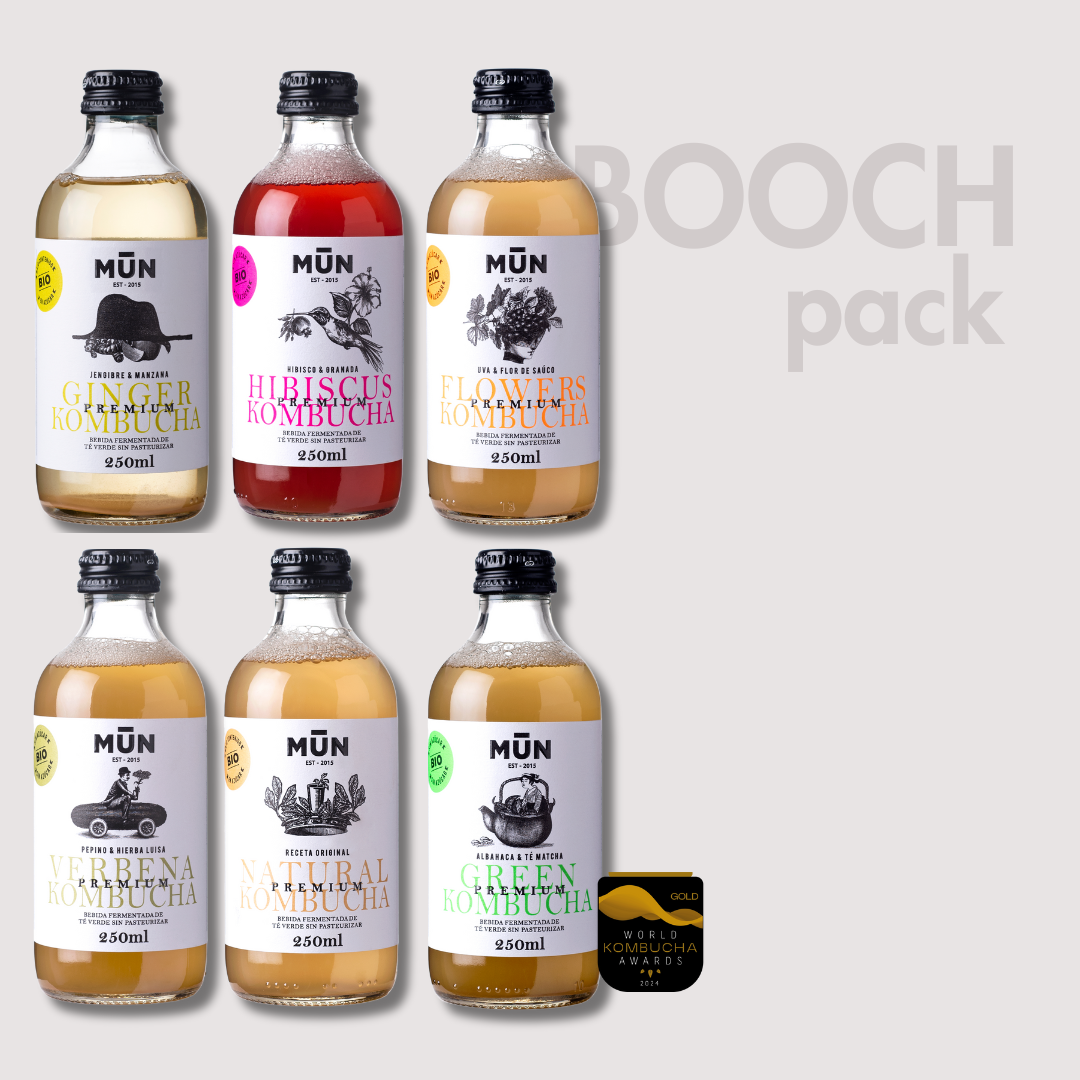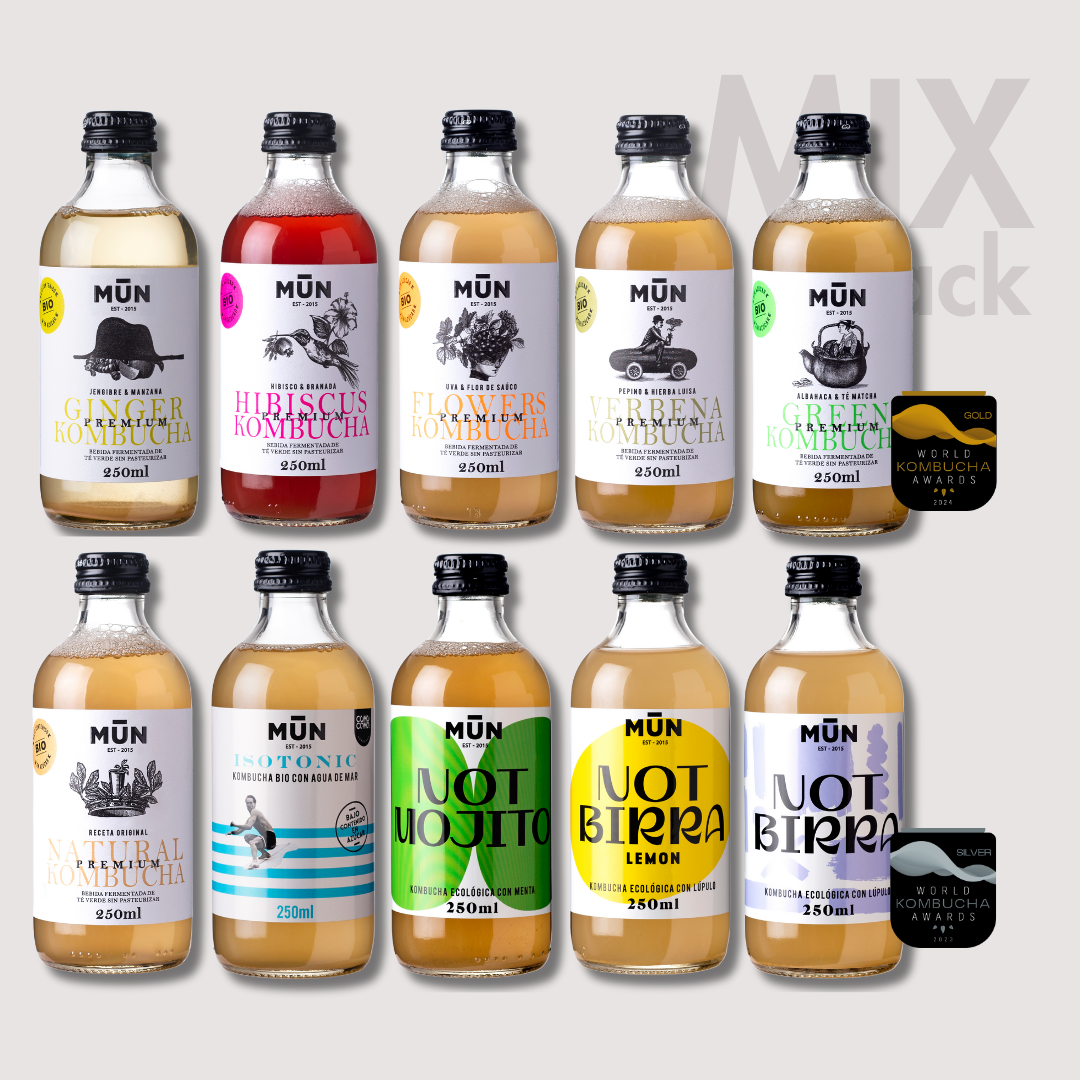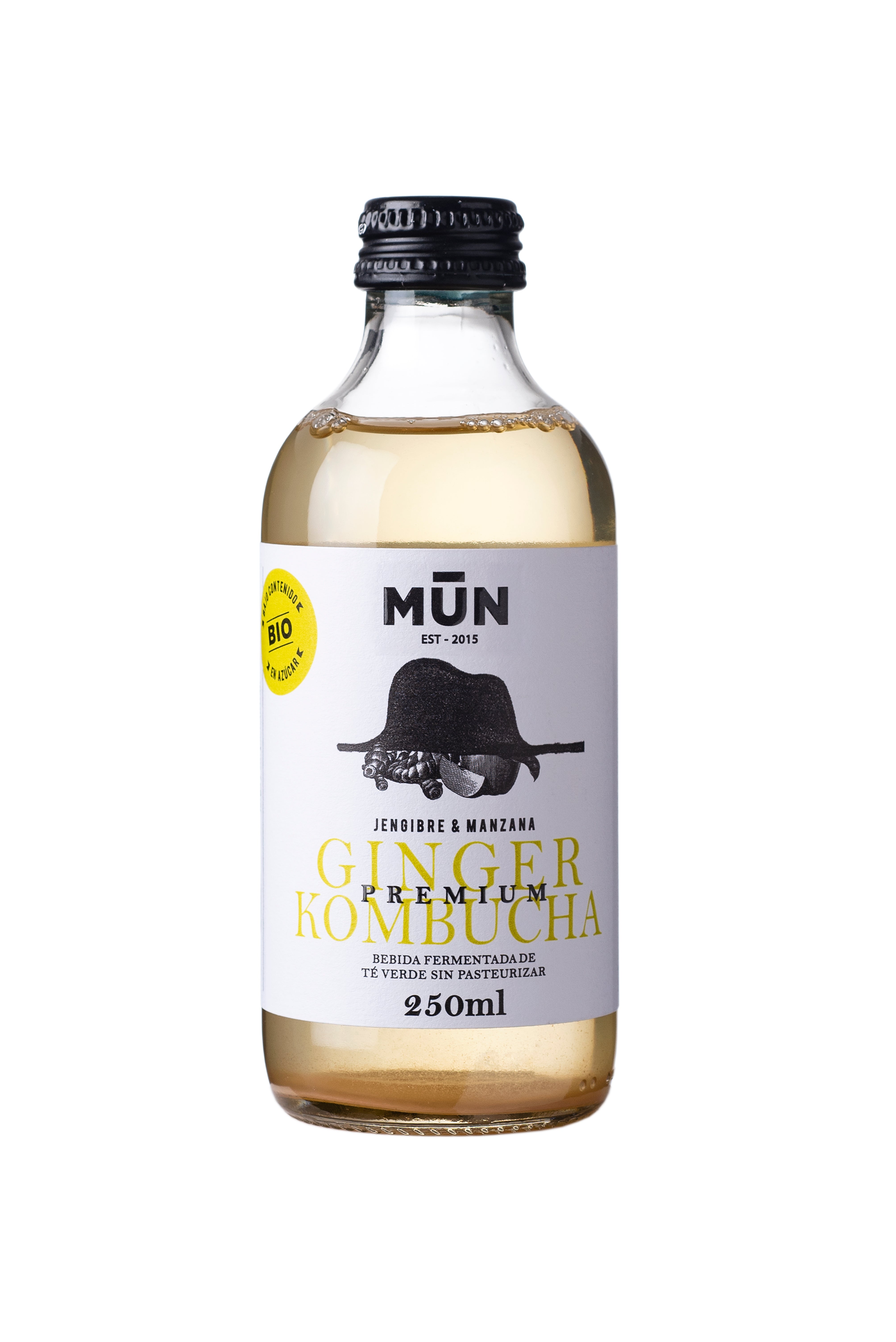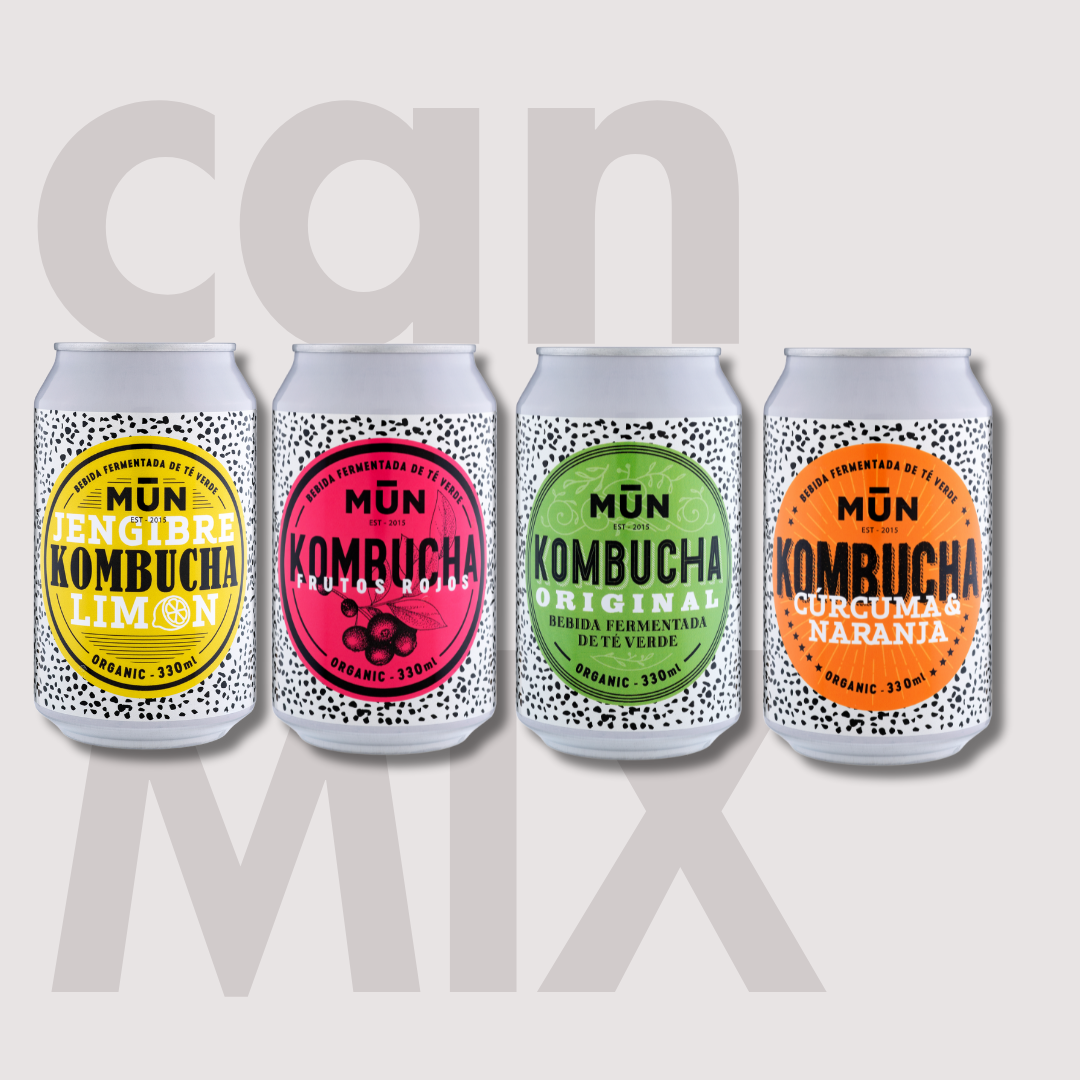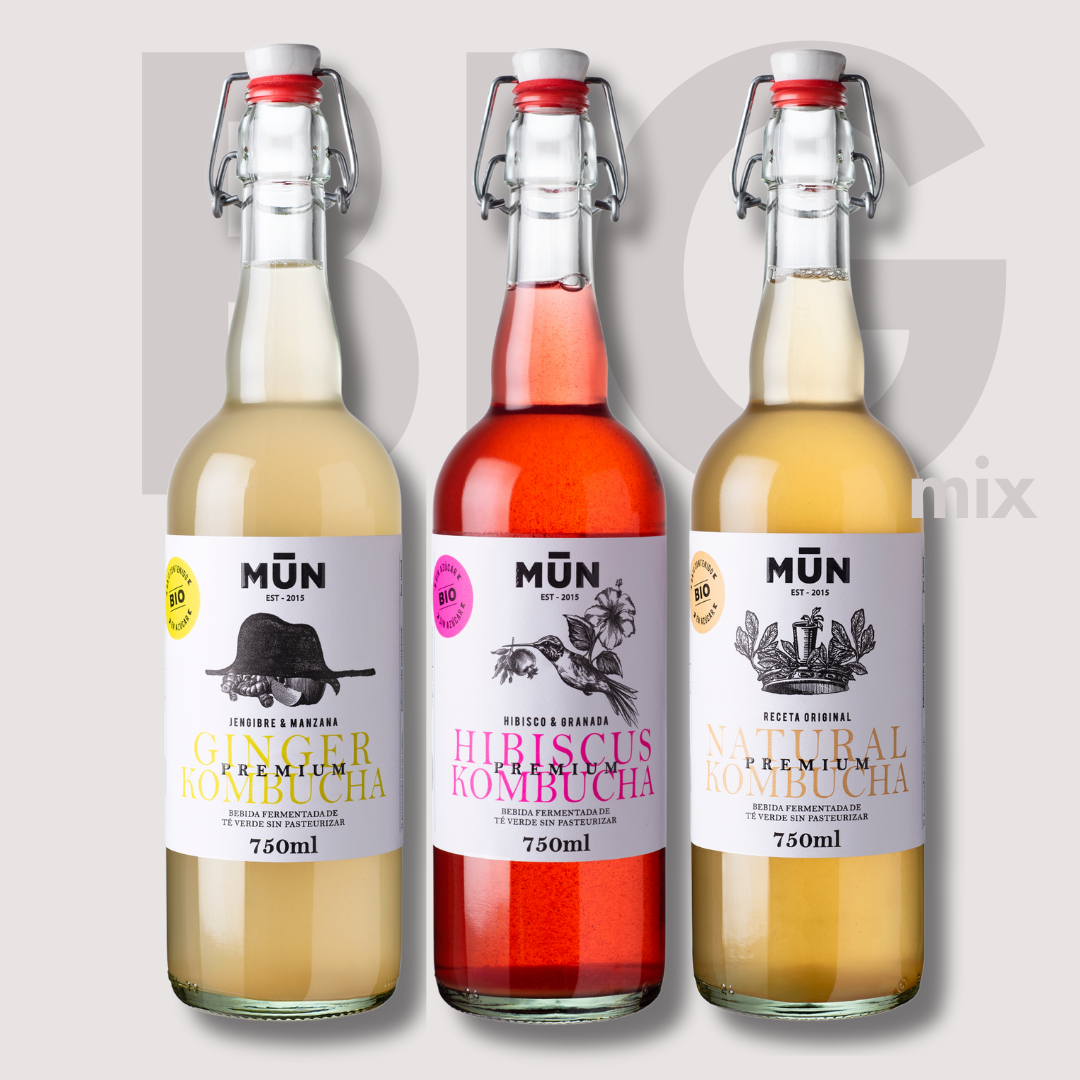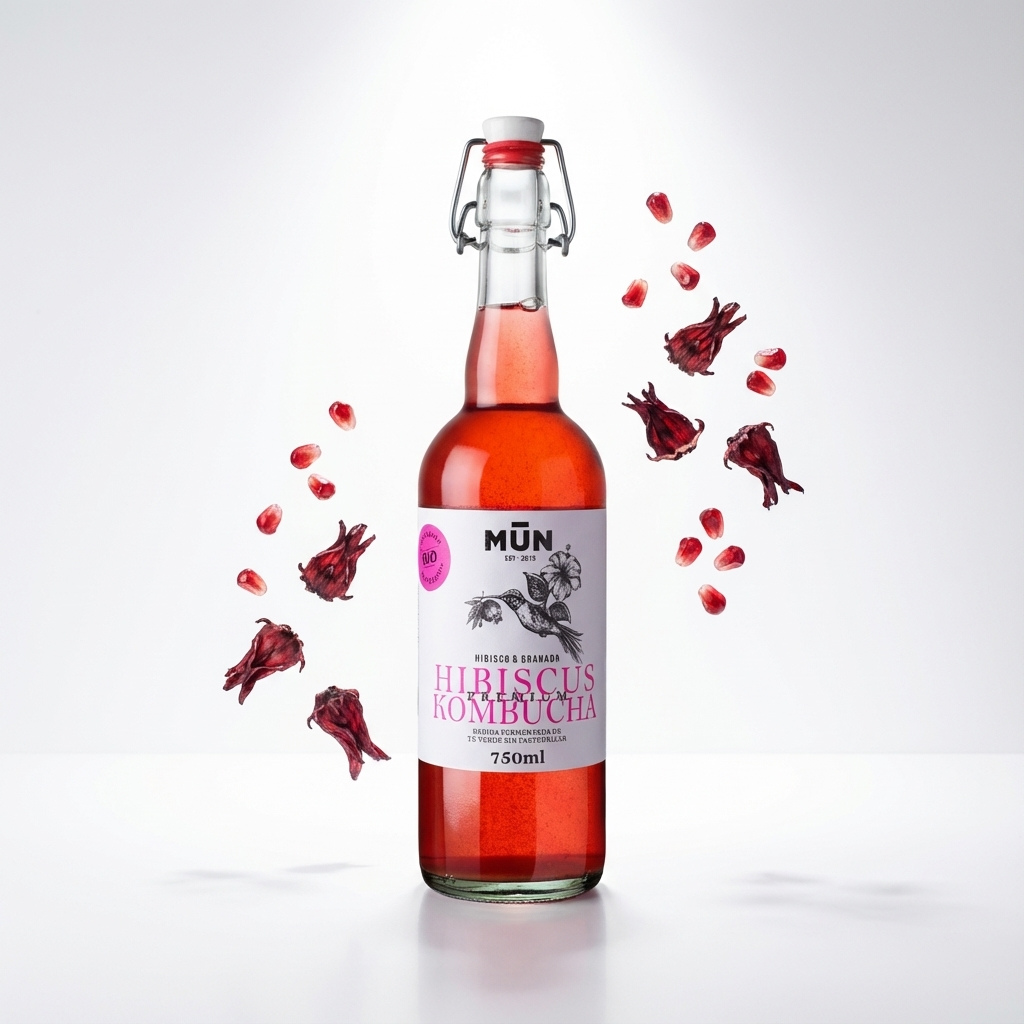
Traditional isotonic drinks hydrate with sugar and colorants. There's another way. In 2019, when almost no one was talking about it, Mūn launched the first isotonic kombucha with seawater in Spain: natural electrolytes —sodium, potassium, and magnesium— sourced from the sea between Ibiza and Formentera, with no added sugars and unpasteurized. Years later, major brands have entered this category. Here we tell you what makes a drink isotonic, why ours is different, and how to prepare a homemade version.
What is an isotonic drink?
A drink is isotonic when its concentration of salts and sugars is similar to that of your blood (approximately between 280 and 330 mOsm/kg). This similarity allows the liquid and electrolytes to be absorbed quickly, without the body having to dilute or concentrate them first.
Electrolytes are minerals that conduct electricity in the body and regulate basic functions: fluid balance, muscle contraction, and nerve transmission. The main ones are:
- Sodium: retains water and maintains fluid volume. It is the most lost through sweat.
- Potassium: works with sodium in water balance and muscle function.
- Magnesium: participates in muscle contraction and energy metabolism.
When you sweat a lot —during sports, in heat, or prolonged exertion— you lose water and these minerals. Replenishing only water is not enough: you also need to restore salts. That's what an isotonic drink is for.
The problem with conventional isotonic drinks
Most supermarket sports drinks fulfill their hydration function, but they carry a burden: added sugar and additives. It's common to find between 6 and 9 grams of sugar per 100 ml, in addition to artificial colorants and flavors. For occasional hydration, it's not serious; as a habit, it adds sugars that most of us don't need.
The logical question is: can electrolytes be replenished without all that? Yes. And the answer leads to the sea.
Isotonic kombucha with seawater: our alternative
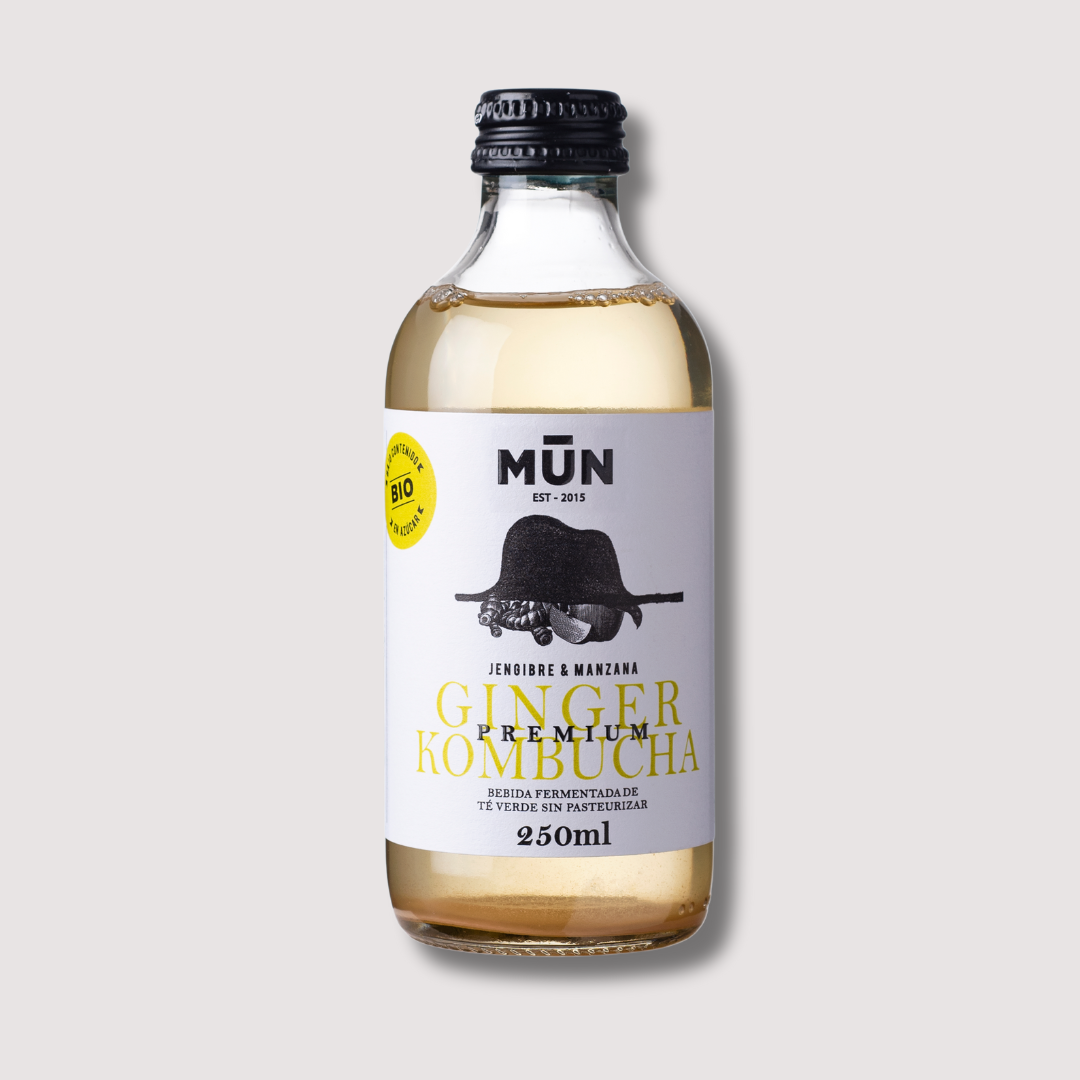
Mūn Isotonic starts with a kombucha base —fermented tea, live, with its cultures— and combines it with microfiltered seawater from between Ibiza and Formentera. The result is an isotonic drink with natural electrolytes from the sea, without artificial added sugars and unpasteurized, preserving the live fermentation.
The difference with most isotonic drinks that have appeared lately is simple: many use added salts or electrolytes to an already prepared base. Ours, since 2019, uses real seawater. The minerals are not added at the end: they come from the sea itself.
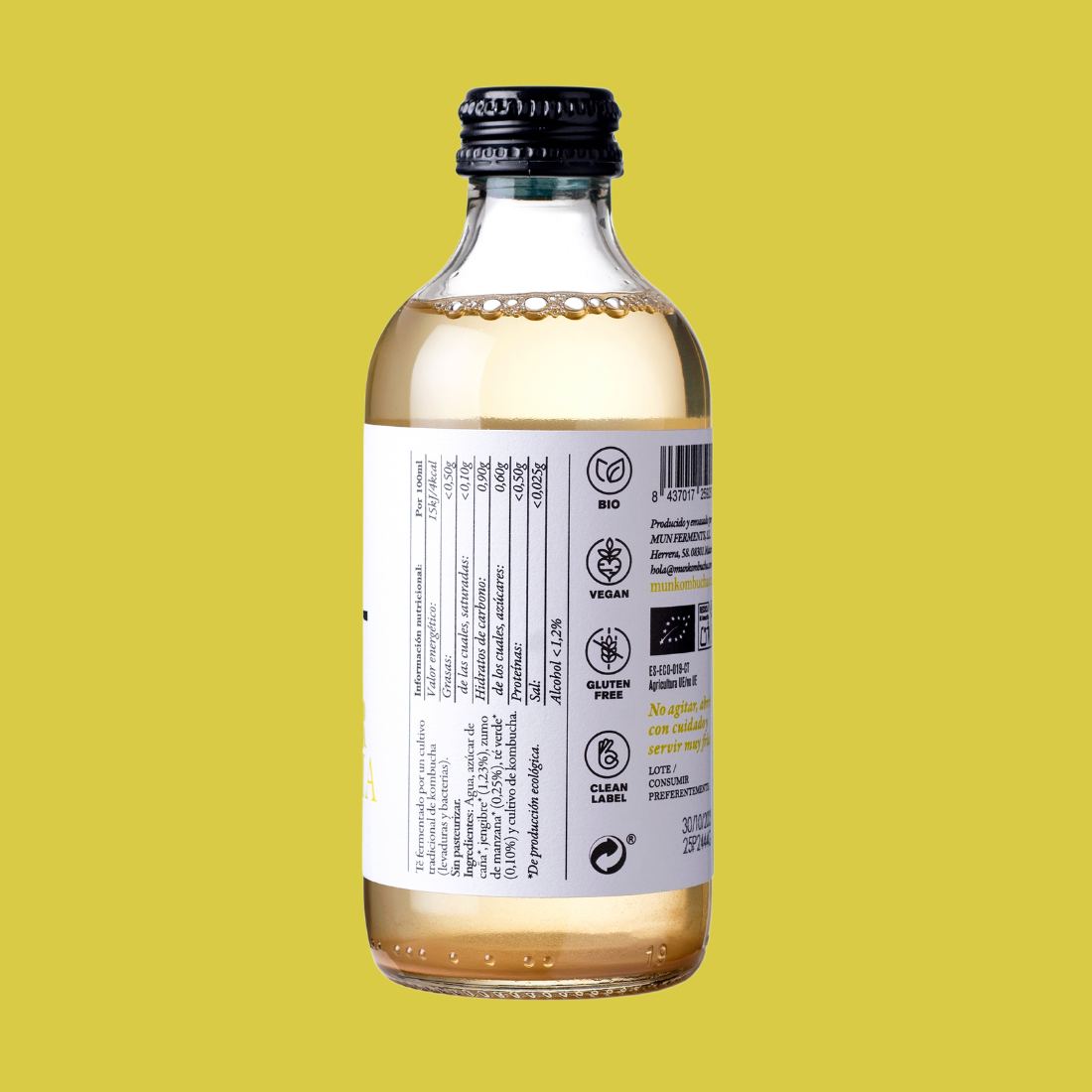
- Natural electrolytes (sodium, potassium, magnesium) from seawater.
- No artificial added sugars.
- Unpasteurized: live kombucha, with its cultures.
- Fermented tea base, not flavored sugary water.
Who brought it first
We don't say it as a slogan, but with dates. This is the story, with its evidence:
Mūn is born. We started fermenting artisan kombucha in 2015.
We launched Mūn Isotonic: the first isotonic kombucha with seawater in Spain. It was born with the direct support of kombucha consumers, through a Kickstarter campaign.
Mūn Isotonic consolidates as a healthy alternative to sports drinks. The only kombucha with seawater.
The category grows: isotonic kombuchas with added salts or electrolytes appear. The idea we pioneered in 2019 is now followed by others.
When other brands launched their isotonic kombucha in 2026, we had already been making ours for seven years. We are not the only ones: we were the first.
How to make a homemade isotonic drink
If you want a quick homemade isotonic drink, you can prepare it in a minute with ingredients you already have. The basic formula aims to approach that concentration of salts and sugars similar to that of the body:
- 500 ml of water
- The juice of half a lemon
- A pinch of sea salt (≈ 1/4 teaspoon)
- 1 tablespoon of honey or sugar (provides glucose to absorb sodium)
- Optional: a pinch of baking soda
Mix and it's ready. It's a valid solution for replenishing salts occasionally. What a homemade version doesn't give you is what a fermented kombucha does provide: live cultures, organic acids, and electrolytes from the sea itself instead of added sugar. Therefore, for daily use, an isotonic kombucha is a more complete alternative than water with salt and sugar.
When to drink an isotonic drink?
- After sports: when you have sweated and need to replenish fluids and salts.
- Hot days: heat increases electrolyte loss even if you don't exercise.
- Long exertions: hiking, cycling, demanding days.
- Recovery: after a night of little rest or a hangover, it helps rehydrate.
For normal, sedentary hydration, water is still sufficient. Isotonic drinks make sense when there is a real loss of salts.
Try the first isotonic kombucha with seawater in Spain.
Discover Mūn IsotonicFrequently asked questions
What is a natural isotonic drink?
Does isotonic kombucha contain sugar?
Where does the seawater come from?
Can you make a homemade isotonic drink?
When is it best to drink it?
Keep reading: Seawater collection · alcohol-free drinks · kombucha vs soda