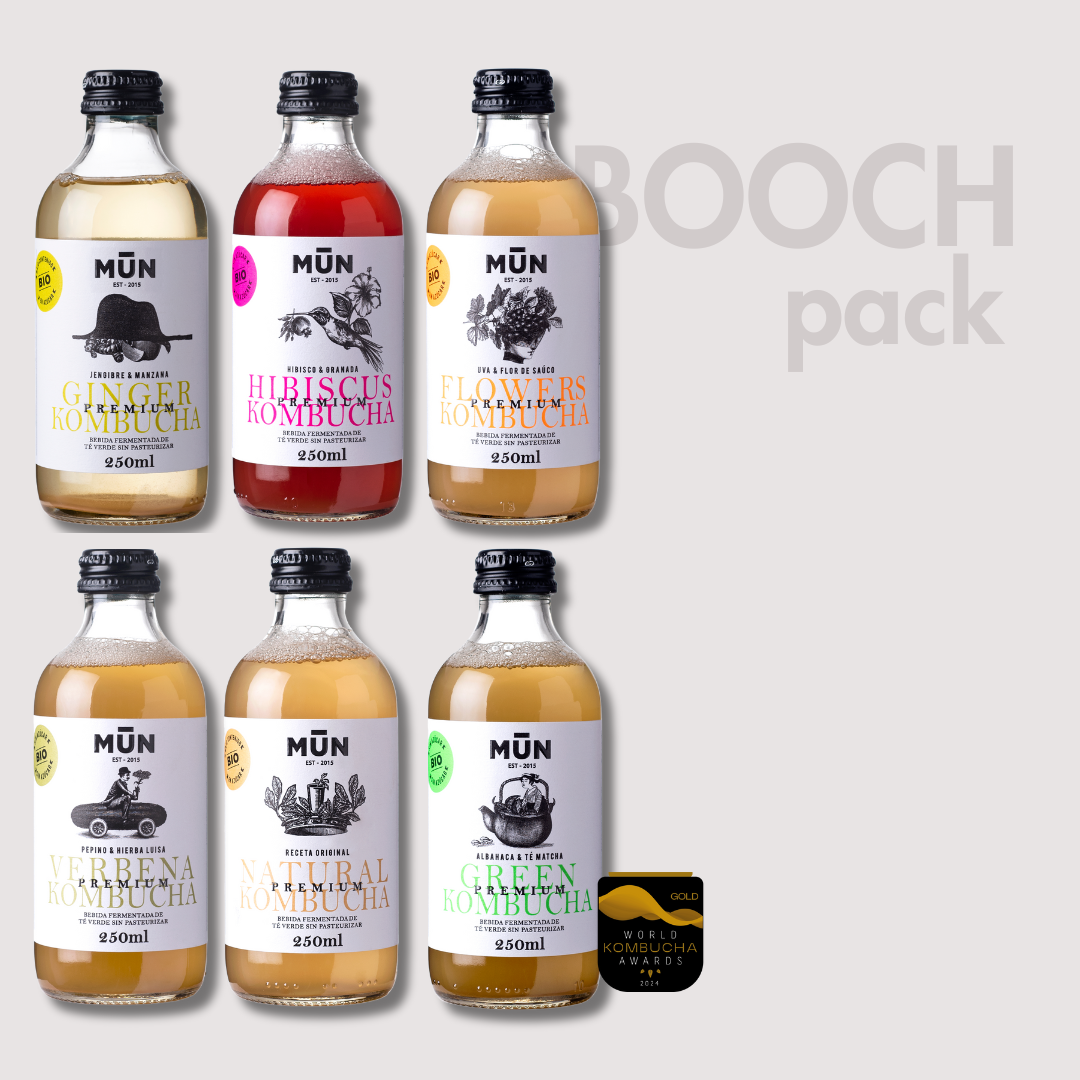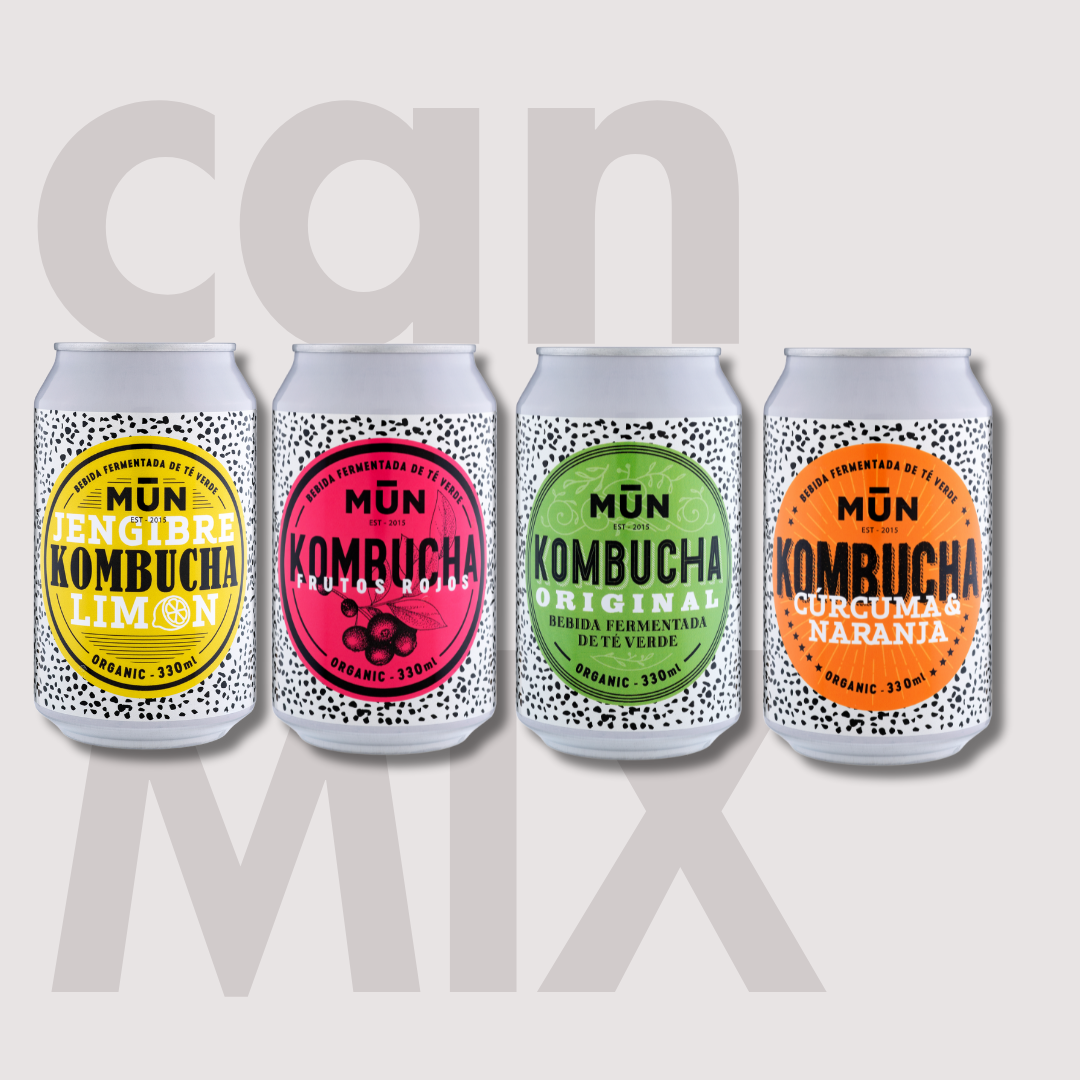
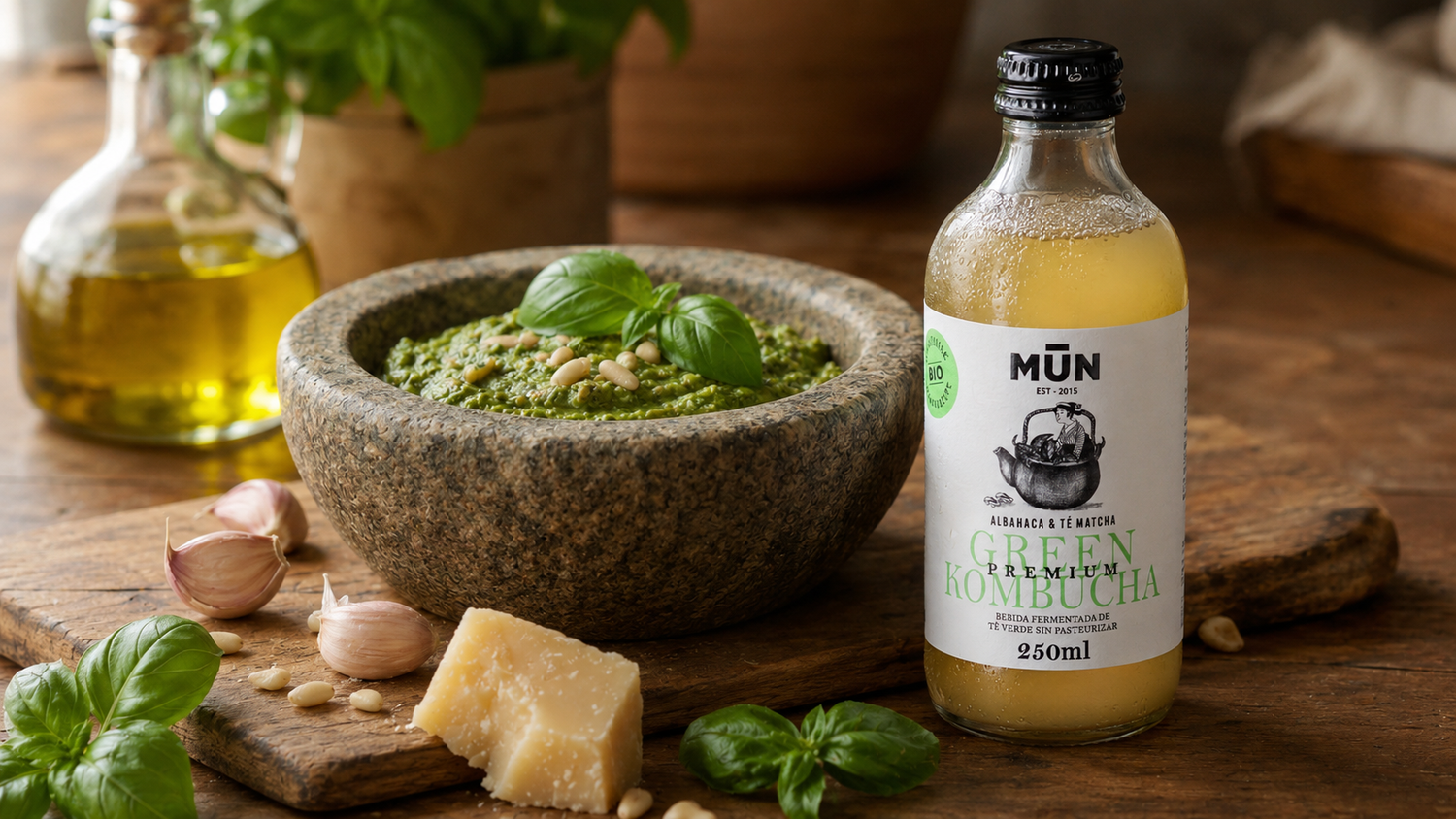
Pesto sauce is one of the classics of Italian cuisine: a raw emulsion of basil, pine nuts, garlic, Parmesan, and olive oil. This version follows the authentic Genoese-style recipe, with a small contribution from us: 60 ml of Mūn Green Kombucha that replaces the usual squeeze of lemon or vinegar. It provides a delicate acidity, herbal notes, and slightly extends preservation. Ready in 10 minutes, no cooking.
What is Pesto Sauce
Pesto alla genovese originated in Liguria, northern Italy. Its name comes from the verb pestare (to crush) because it was traditionally made in a marble mortar. The ingredients are seven and are protected by the Consorzio Genovese D.O.P.: Genoese basil, Italian pine nuts, garlic, Parmigiano Reggiano cheese, Pecorino cheese, Ligurian extra virgin olive oil, and coarse salt.
At home, we rarely have a marble mortar and DOP Pecorino cheese, so this version adapts the recipe to a food processor and leaves Parmesan as the only cheese, maintaining the balance between fat, freshness, and salt. The Mūn Green Kombucha -fermented with matcha green tea and basil- adds an acidic touch consistent with the herbal profile.
Ingredients for Pesto Sauce (4 servings)
- 2 cups (about 50 g) fresh basil leaves, without thick stems
- 125 g toasted pine nuts
- 1 peeled garlic clove, without central germ
- 125 g Parmesan cheese (Parmigiano Reggiano), freshly grated
- 125 ml extra virgin olive oil
- 60 ml Mūn Green Kombucha
- Sea salt and freshly ground black pepper to taste
Equipment: small food processor or blender. Glass jar with airtight lid for storage.
Step-by-step preparation
- Prepare the basil. Wash the leaves with cold water and dry them very well with a clean cloth or a salad spinner. Excess water oxidizes the sauce and makes it bitter.
- Toast the pine nuts. If they are not already toasted, place them in a dry pan over medium heat for 3-4 minutes, stirring, until golden. Let them cool before processing.
- Process the solids. In the processor, add basil, pine nuts, garlic, and Parmesan. Pulse several times until a coarse paste is obtained. Avoid continuous processing to prevent heating.
- Emulsify with oil. With the motor running at low speed, pour the olive oil in a thin stream. This creates a stable emulsion.
- Add the kombucha. Incorporate the 60 ml of Mūn Green Kombucha and process for 10 more seconds. The sauce will be shiny and slightly more fluid.
- Season. Taste. Adjust with sea salt and freshly ground black pepper. If you want it denser, add another handful of Parmesan; if you want it more fluid, another tablespoon of kombucha or oil.
- Serve or store. If for pasta, mix in a bowl with one or two tablespoons of hot pasta cooking water. To store, transfer to a glass jar and cover with a finger of oil.
Times
- Preparation: 10 minutes
- Cooking: 0 minutes (raw sauce)
- Total: 10 minutes
- Servings: 4 (enough for 400 g of pasta)
- Storage: 2-3 days in the fridge, in a glass jar covered with oil. Freeze in an ice cube tray for up to 2 months.
Why we use Green Kombucha in this recipe
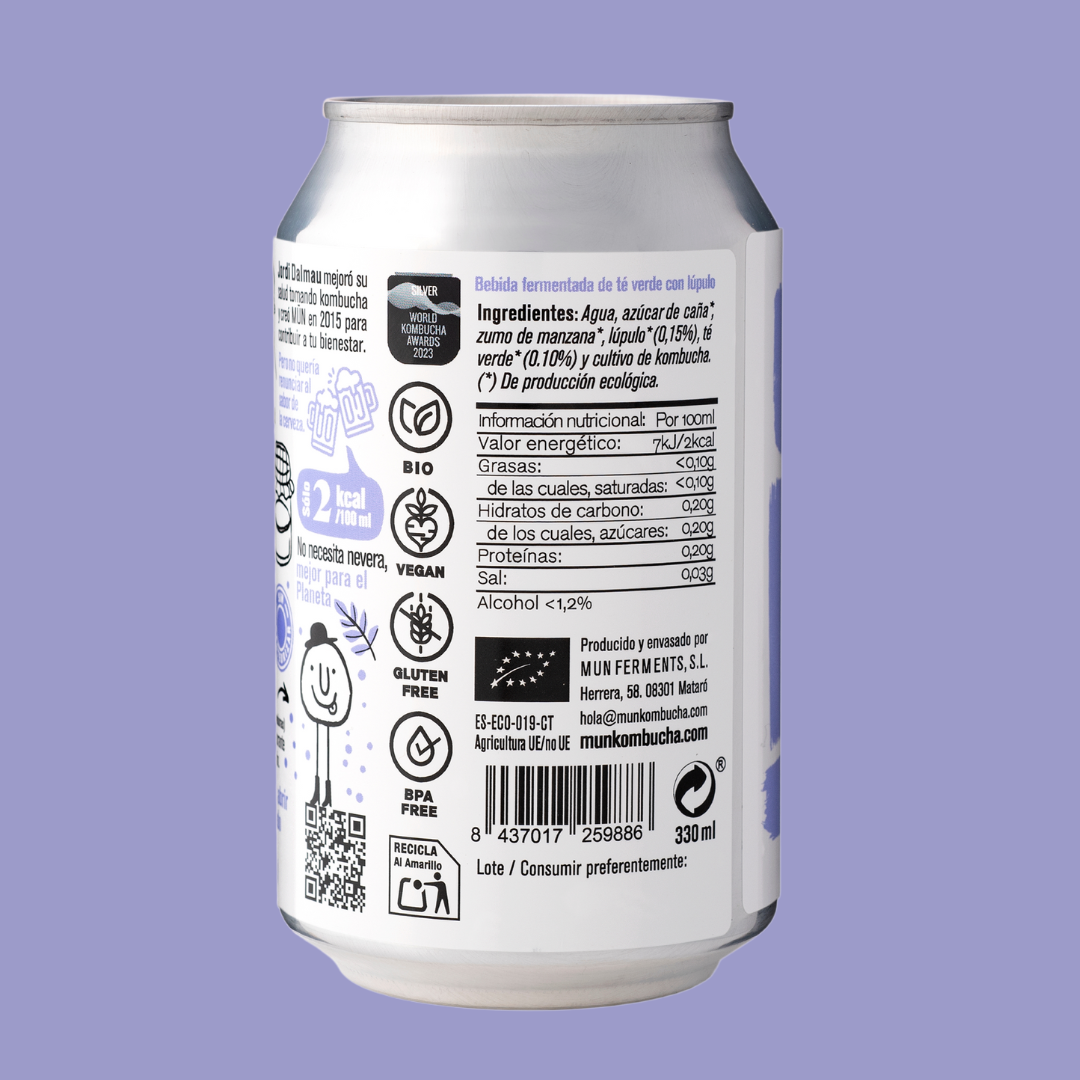
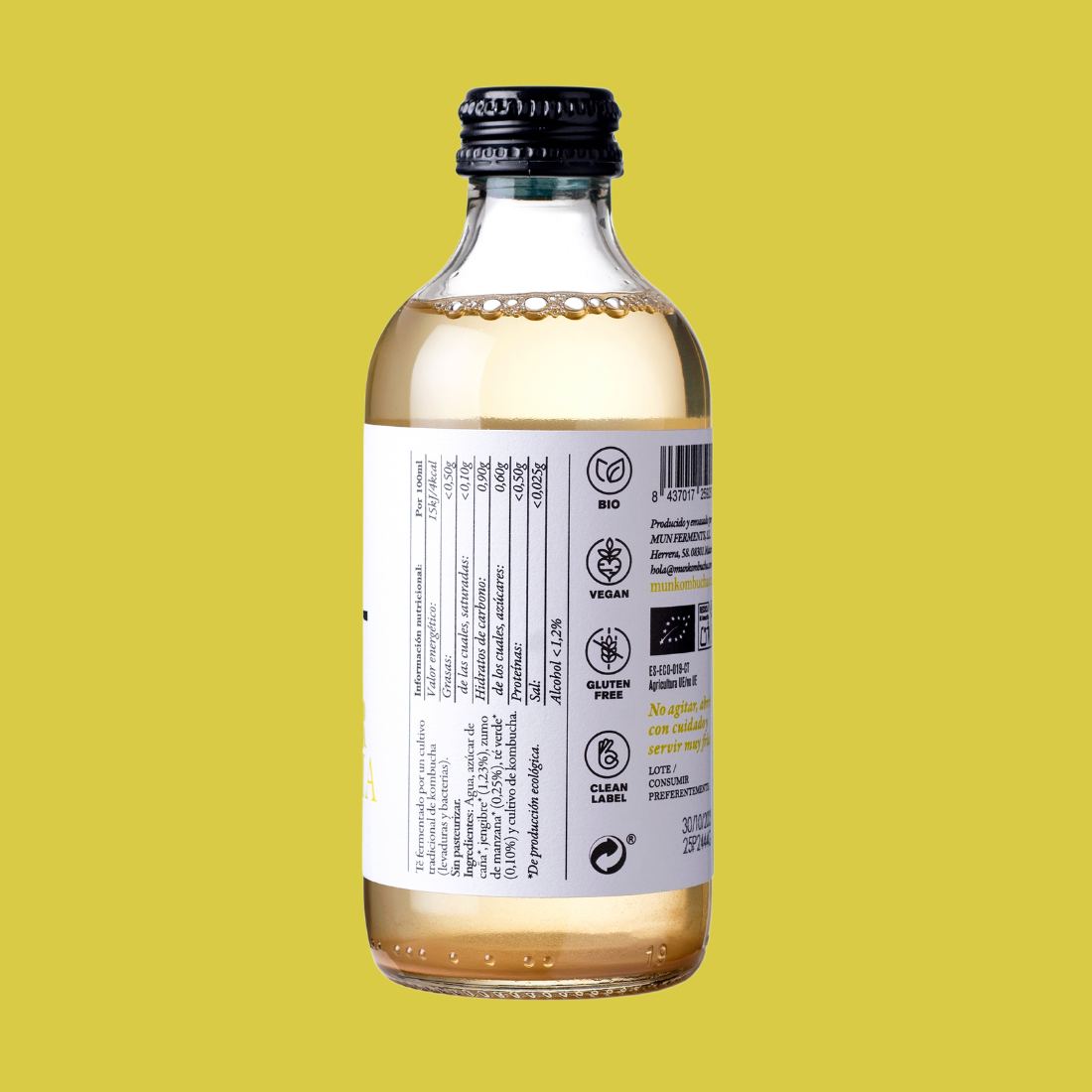
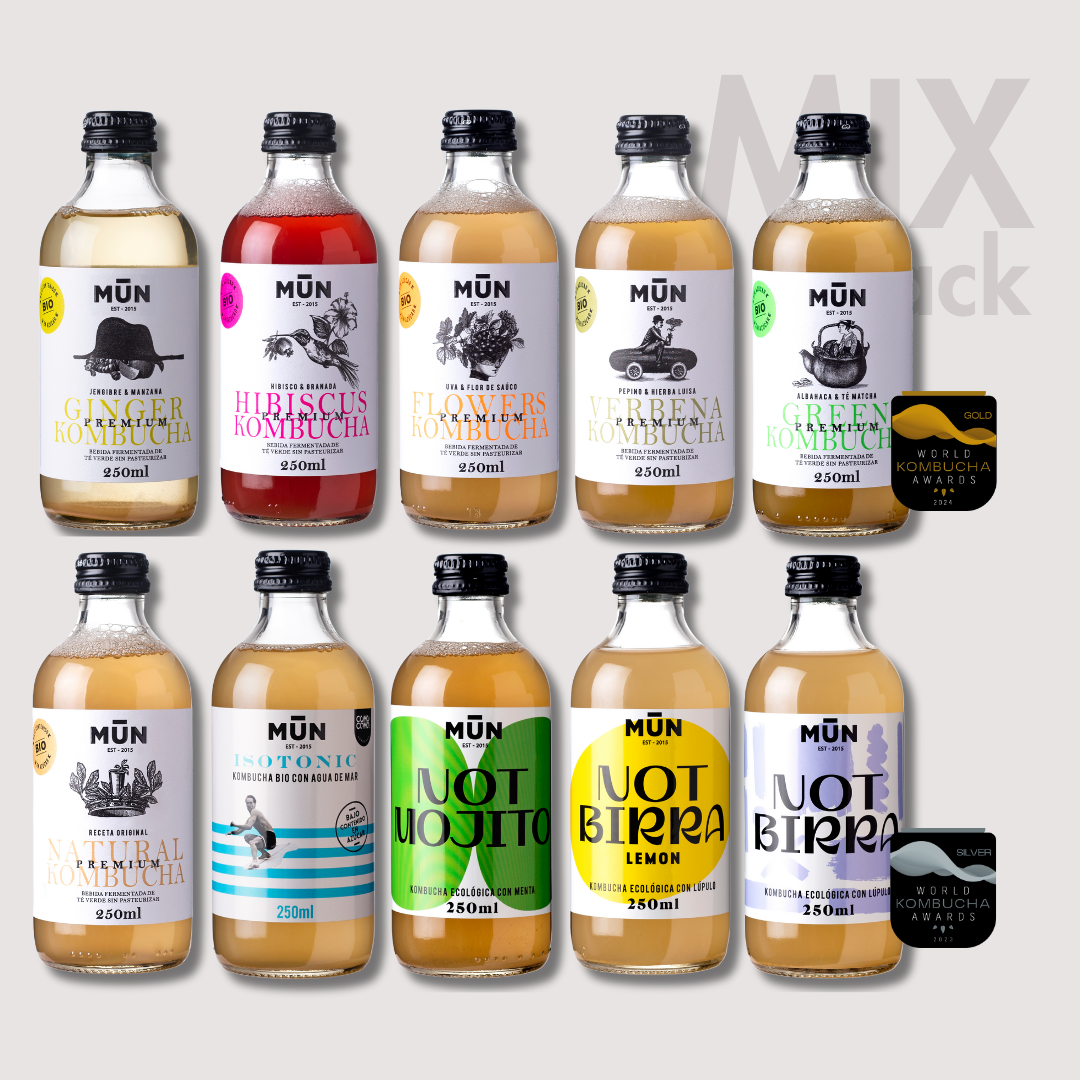
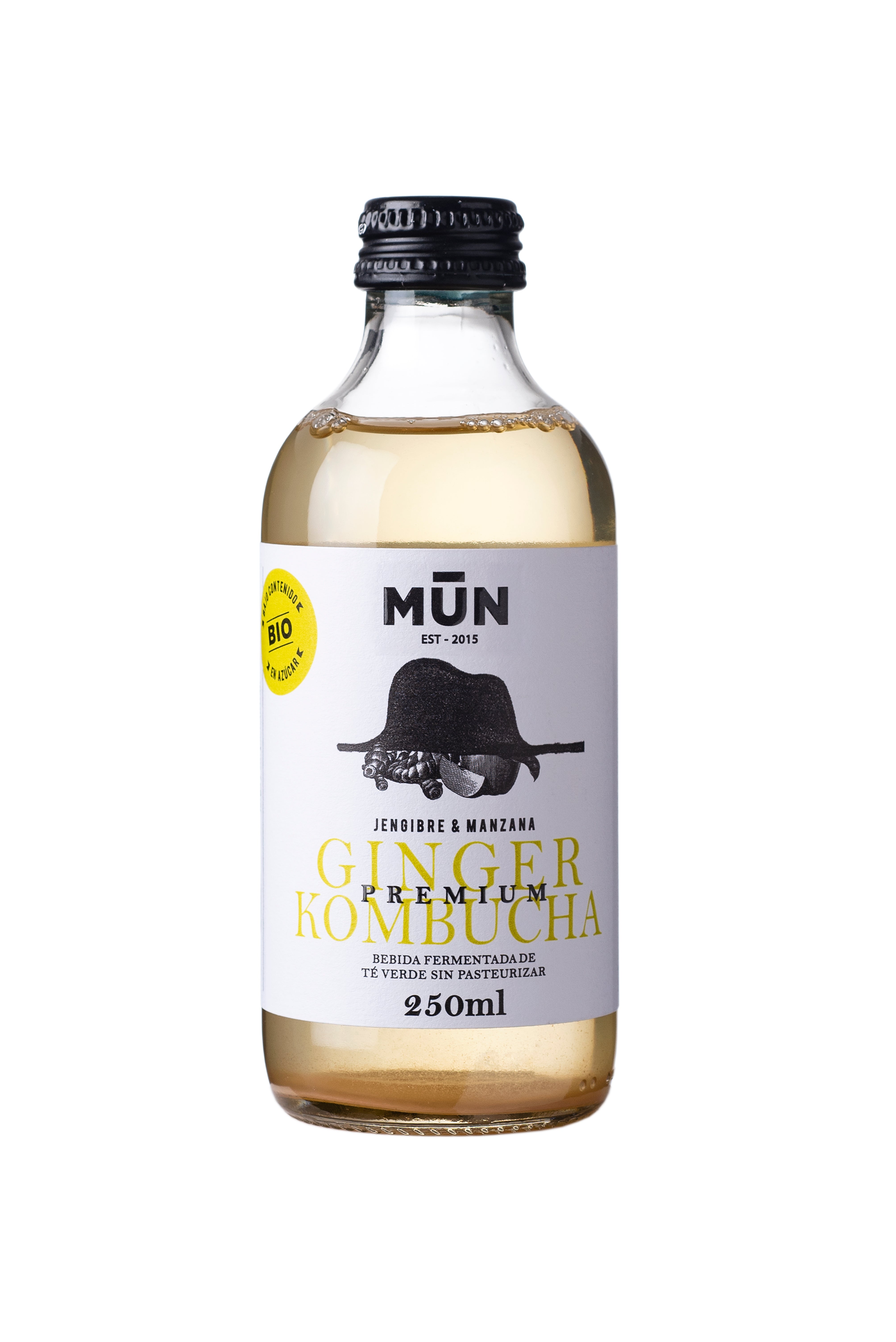
Mūn Green Kombucha is fermented with matcha green tea and basil leaves. Its composition is consistent with a pesto: it shares the herbal profile of basil and provides a mild acidity (pH 3.2-3.5) that acts as a natural substitute for lemon or vinegar.
Three specific advantages:
- Integrated acidity: balances the fat from the oil and cheese without adding the bitterness of grated lemon.
- Consistent aroma: matcha adds vegetable notes that enhance the basil-garlic profile.
- Preservation: the acidic medium slightly slows down chlorophyll oxidation, so the pesto maintains its bright green color for more hours than the classic version.
Mūn has been fermented in Catalonia since 2015 with raw, unpasteurized kombucha and no added sugars in the final product.
Pesto Sauce Variations
- Vegan Pesto: replace 125 g of Parmesan with 60 g of nutritional yeast and 30 g of soaked raw cashews. Slightly increase salt.
- Cheese-free Pesto: omit Parmesan and add 30 g extra cashews plus a teaspoon of white miso for umami depth.
- Arugula and Walnut Pesto: swap half the basil for arugula and pine nuts for walnuts. More bitter, ideal for red meats.
- Sicilian Pistachio Pesto: replace pine nuts with 125 g of shelled unsalted pistachios. A tradition from Bronte, Sicily.
- Red Pesto (pesto rosso): add 80 g of rehydrated sun-dried tomatoes to the processor. Shifts the profile towards a more Mediterranean and sweet one.
- Extra Herbal Pesto: add 1 tablespoon fresh parsley and half a tablespoon of mint. Refreshes and lightens.
Common Mistakes When Making Homemade Pesto
- Processing basil for too long. The heat from the motor oxidizes the leaves, and the sauce turns brown and bitter. Pulse in short bursts.
- Using wet basil. Water breaks the emulsion and dilutes the flavor. Always dry the leaves thoroughly.
- Excessive raw garlic. One clove is enough for 50 g of basil. If the garlic is large or very fresh, use half a clove and remove the central germ.
- Pre-grated Parmesan. Industrial bagged Parmesan contains anti-caking agents that break the emulsion. Grate fresh from a wedge.
- Heating the pesto. Pesto is a raw sauce. If you cook it, it loses aroma and the basil blackens. Mix it with hot pasta off the heat, with a tablespoon of cooking water.
What dishes to serve this pesto sauce with
- Pasta: trofie, trenette, linguine, potato gnocchi.
- Bread: bruschetta, focaccia, toasts with tomato.
- Vegetables: boiled potatoes, green beans, grilled zucchini, cherry tomatoes.
- Proteins: grilled chicken, baked salmon, poached eggs, mozzarella di bufala.
- Soups: a tablespoon of pesto in a Ligurian minestrone (traditional technique).
- Sandwiches and wraps: replace mayonnaise with a tablespoon of pesto.
Frequently Asked Questions
Can pesto sauce be frozen?
Yes. Freeze in a silicone ice cube tray and transfer the cubes to an airtight bag. It lasts for 2 months. Thaw in the fridge the night before. The texture might require an extra drizzle of oil when using it again.
How long does homemade pesto last in the fridge?
2-3 days in a glass jar with the surface covered by a finger of olive oil. The oil layer insulates from oxygen and prevents it from darkening.
Why does my pesto turn brown?
Due to the oxidation of basil chlorophyll upon contact with air. To prevent this: dry the leaves well, process in short bursts, do not heat the sauce, and always cover with oil when storing.
Does Mūn Green Kombucha change the flavor of classic pesto?
It replaces the acidity of lemon or vinegar that some recipes add. If you never add acid to your pesto, you'll notice an extra fresh note. If you used to squeeze lemon, the result is very similar but without the bitterness of the zest.
Can I make pesto sauce in a mortar traditionally?
Yes. First, crush the garlic with salt, then add the pine nuts, then the basil in batches, and finally incorporate cheeses, oil, and kombucha, stirring in circles. It takes 20-25 minutes, but the texture is silkier.
Is pesto the same as pesto alla genovese?
Pesto alla genovese is the original DOP recipe from Liguria, with specific ingredients and proportions. "Pesto" without a surname is used for any raw crushed Italian-style sauce: red pesto, arugula pesto, pistachio pesto, kale pesto, etc.
Other recipes with Mūn kombucha
- Homemade probiotic lemonade with Mūn Flowers Kombucha
- Orange smoothie with Mūn Flowers Kombucha
- Kombucha vinaigrette for salads
Original recipe adapted from Cristina Manyer. Editorial adjustments and expansion by the Mūn team.