
LA SEGUNDA FERMENTACIÓN DE LA KOMBUCHA
The second fermentation of kombucha
If you have come this far it is because you already know that kombucha is a fermented drink. In fact, it is fermented by a colony of yeast and bacteria (SCOBY) that are capable of transforming sugar into organic acids that are responsible for the healthy properties of kombucha. An important detail of this first fermentation is that it is carried out in the presence of oxygen ( aerobic fermentation ). And this is very important because the bacteria present in kombucha need oxygen to ferment. Yeasts… too!, but with nuances. Yeasts can function both with the presence and absence of oxygen. If they have oxygen, they "breathe"; If they do not have to "ferment", and this means that they make alcohol and CO2.
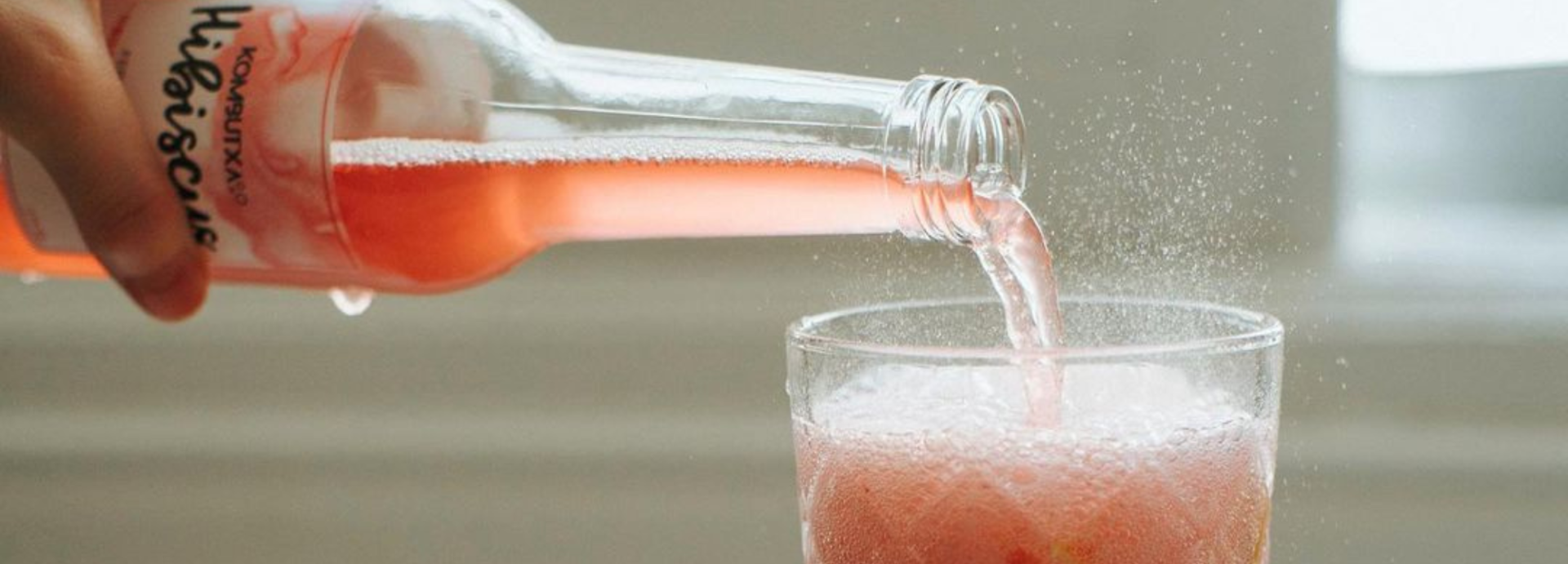
In this first stage, what we want is for the yeast to be responsible for breaking down the sucrose molecules into glucose and fructose (they do this by secreting an enzyme called invertase), since bacteria cannot metabolize sucrose, but yes, on the other hand, glucose and fructose. Well, when we have had our kombucha fermenting in a tank covered with a cloth, precisely so that it has oxygen, but cannot be contaminated by insects or dust, and it is at a level of flavor and acidity that we like, the time has come. time to bottle it. Now we can add fruit juices to give it that flavor that we like. It is very common to add ginger, turmeric, lemon, orange, strawberries, etc. If we now want to transform this delicious drink into a bubbly drink, all we have to do is let it rest at room temperature so that the yeasts do their job: CO2. For this to happen, we have to have sugar, viable yeasts and temperature. With these three elements, it is a matter of days before our drink comes back to life with those totally natural bubbles. Once the kombucha is bottled and the ingredients we like are added, the second fermentation begins, also known as "carbonation", which occurs without the presence of oxygen (anaerobic fermentation). During this stage, the yeasts remaining in the drink consume the sugar we have added and produce carbon dioxide (CO2), which dissolves in the drink, creating the bubbles.
It is important to note that a greater amount of alcohol is produced during this phase than in the first fermentation, so if left to ferment for too long, the kombucha could become too alcoholic. Typically, the second fermentation usually lasts between one and five days, depending on the ambient temperature and the amount of sugar added.
It is advisable to leave the kombucha in the second fermentation in a dark, room temperature place, as sunlight can negatively affect the fermentation process and alter the flavor of the drink. In addition, it is important to use pressure-resistant glass bottles, since the bubbles generated can increase the pressure inside the bottle and cause it to break.
Once the kombucha has reached the desired degree of carbonation, it can be refrigerated to stop the fermentation process and enjoy a fresh, bubbly drink with the flavor and healthy properties that we love. Kombucha is a very versatile drink that can be adapted to each person's tastes and experiment with different ingredients and flavors to make it even more special.
A trick to control the second fermentation of kombucha at home
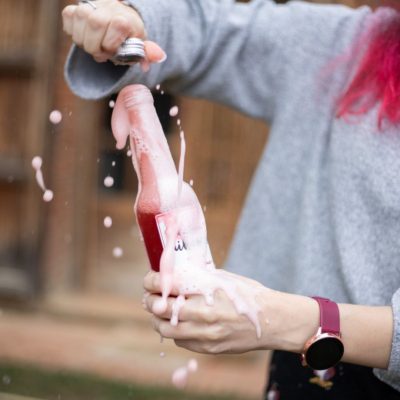
If you ferment at home you will not have control of this second fermentation. Above all, because without equipment or analysis it is difficult to know the sugar level of the kombucha at the time of bottling. If there is too much sugar, the yeasts will begin to produce CO2, either until the sugar runs out or until the bottle holds and bursts.
One way to control the carbonation point at home is to use a used plastic soda bottle. At the time of bottling, if you press it you will see that it is loose, but as the days go by and the carbonation occurs you will see how it becomes harder and harder. This way you avoid having to open bottles to test the carbonation point. When you see that the sample bottle is hard enough, it is time to store your kombuchas in the refrigerator to stop this second fermentation.