
Prebiotics and Probiotics
You've probably heard a lot about prebiotics and probiotics. Perhaps you think they're the same thing and that no one explains very well how they differ. They sound very similar, but they are not the same, although they have an interesting symbiotic relationship that you need to know about. So, what is a probiotic and what is a prebiotic? We'll tell you some basic concepts to make it clearer.
We are what we eat. Our health depends, in large part, on the foods we include in our diet, which influence the good condition of our microbiota. This community of microorganisms, including at least 1,000 different types of bacteria, inhabits our intestines. The goal is for them to coexist in peace and harmony, as their most important functions include managing our digestion and improving nutrient absorption, but also ensuring our immunity is stronger and that we are in a good mood.
Prebiotics
What are prebiotics? Prebiotics are a type of functional food – primarily non-starch polysaccharides and oligosaccharides poorly digested by human enzymes – that feed the microbiota, modulating its composition and activity. They promote the growth of healthy bacteria, such as Lactobacillus and Bifidobacteria, allowing them to more effectively carry out their beneficial functions for the host's health. They also prevent the proliferation of harmful bacteria.
Prebiotics are present in many fruits and vegetables, mainly those containing complex carbohydrates such as fibre and resistant starch.
What are prebiotics for?
As they are fibre not digestible by our digestive system, prebiotics pass intact through the digestive tract and easily resist the different stages of digestion: the action of gastric juices and enzymes… Among other things, prebiotics ensure that the well-nourished bacteria present in the digestive system can carry out their functions excellently.
Among the benefits of consuming prebiotics are:
- The regulation of intestinal transit.
- The improvement of fat metabolism.
- The reduction of fasting cholesterolaemia and post-meal glycaemia.
- The reduction of the risk of intestinal diseases.
- The improvement of vitamin and mineral synthesis.
- The increase in immunity.
- Helps reduce lactose intolerance, as they promote the growth of bacteria that break it down.
Foods Rich in Prebiotics
The list of foods rich in prebiotics is very long. As we mentioned before, they are basically fruits and vegetables. There are 10 that are particularly so and that it would be good to include in your weekly menu. The recipes can be endless.
Fill your basket with: Asparagus, artichoke, chicory, banana, garlic, onion, leek, tupinambo, salsifí, durum wheat. They can also be found in milk, honey, legumes, and nuts.
Probiotics
What are probiotics? The WHO defines probiotics as live microorganisms which, when administered in adequate amounts, confer a health benefit on the host, i.e., the consumer. Once ingested, they adhere to the intestinal wall and act as a protective barrier. They even have the ability to strengthen defences against pathogens and viruses.
There are many ways to consume probiotics. The first that might come to mind is in supplement form. But what if we told you that you have access to many more probiotics than you imagine, through very common foods? Keep reading and discover them.
What are probiotics for?
Having a healthy microbiota, with bacterial diversity, and where healthy microorganisms predominate, is a goal to achieve with the consumption of probiotics. If our flora is healthy, among other benefits, our digestion will improve: We will have better nutrient absorption and more optimal metabolisation of carbohydrates. Likewise, we will more efficiently synthesise vitamins as important as K and those of the B complex, and we will provide significant reinforcement to the immune system.
Examples of Some Probiotics with Proven Benefits
One of the big questions is, what are probiotics for? The first thing to know is that there are several types of probiotics, each with its own function in the gut. For example, Lactobacillus acidophilus helps digest lactose in milk and also produces lactic acid, which helps maintain a healthy intestinal environment. On the other hand, Bifidobacterium bifidum helps break down carbohydrates and proteins and also helps produce lactic acid.
In addition to these examples, there are also other types of probiotics, such as Lactobacillus rhamnosus, which helps reduce intestinal inflammation and the risk of urinary tract infections. Another beneficial bacterium is Streptococcus thermophilus, which helps break down lactose and produces B and K vitamins.
Foods Containing Natural Probiotics

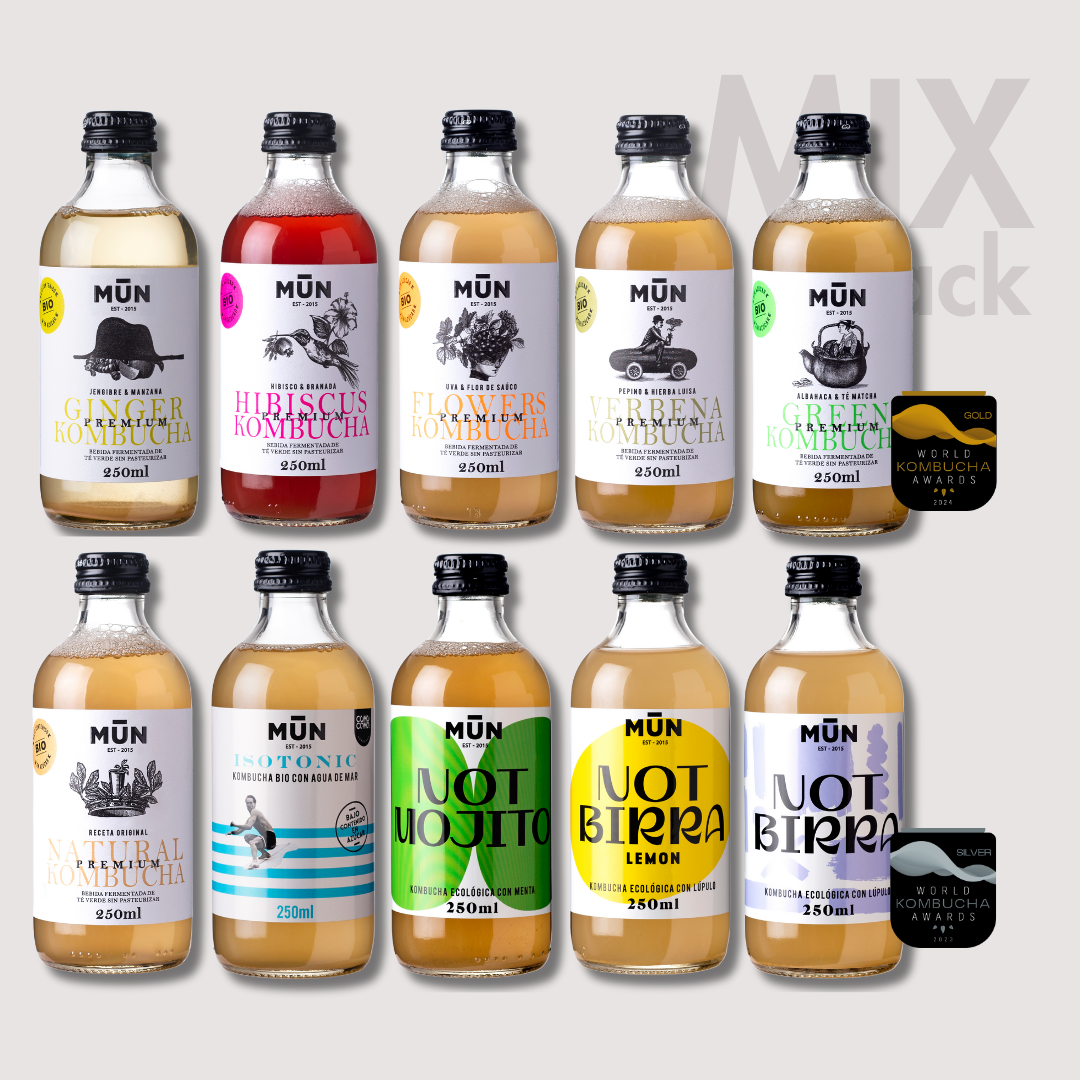
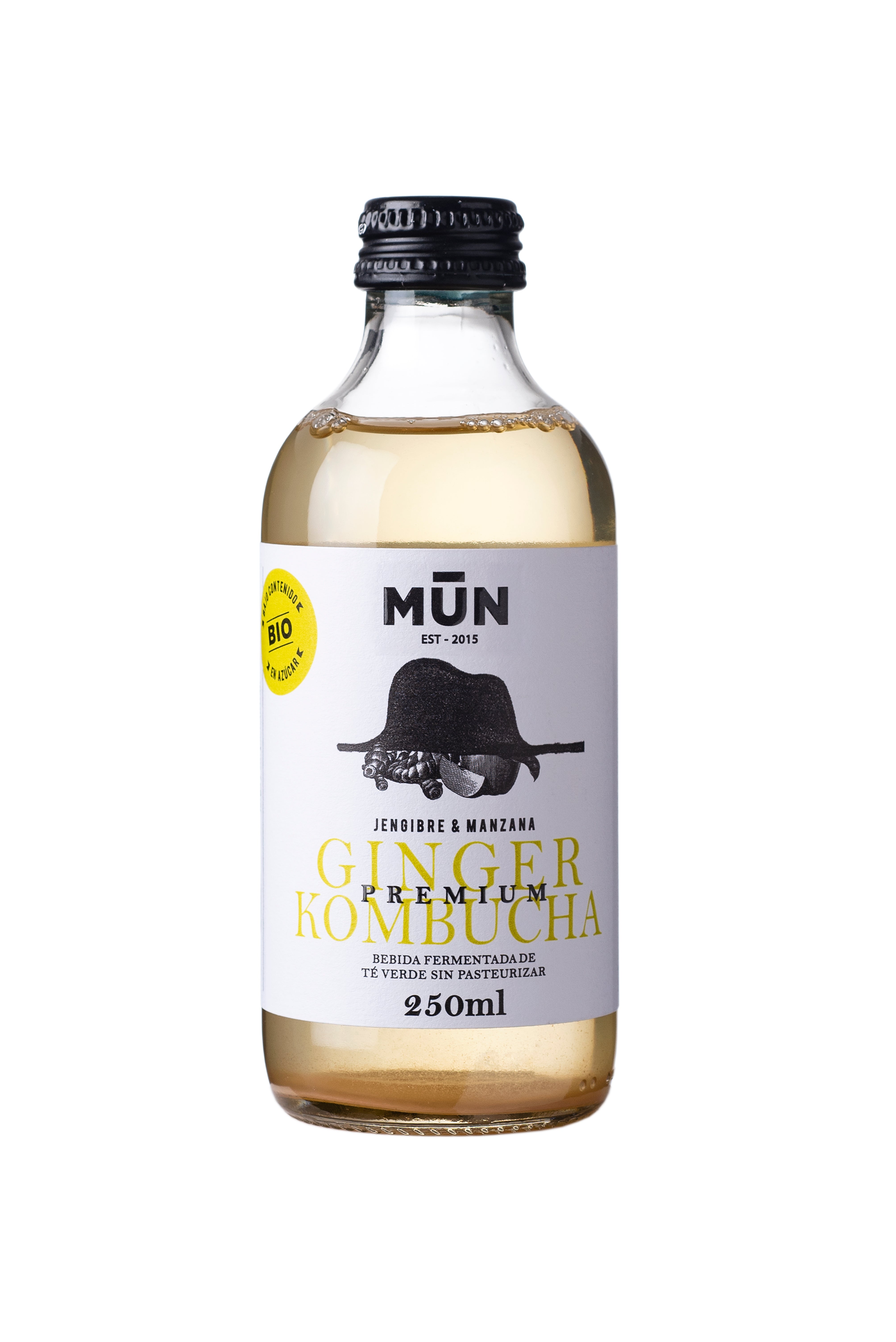
In this article, you will find a list of natural probiotic foods you should consume often. In general, most fermented foods contain natural probiotics: yoghurt, kefir, kombucha, sauerkraut, kimchi, pickles, etc. Others, although also benefiting from the fermentation process, such as chocolate or sourdough bread, no longer contain live probiotics in the final product we eat, but we still benefit from the fermentation (more digestible foods).
Postbiotics: The Third Pillar (and the Newest)
After prebiotics and probiotics, postbiotics are the newest concept of the trio. The consensus definition (ISAPP, 2021) is: "a preparation of inanimate microorganisms and/or their components that confers a health benefit". Simply put: they are not live bacteria, but the products and fragments they generate — organic acids, enzymes, peptides, and cell wall components.
Why are they starting to matter so much?
- Not dependent on viability: the microorganism does not need to reach the gut alive for its effect to be noticed.
- More stable: they withstand storage and digestive transit better than live probiotics.
- Growing evidence: their contribution to gut health and immunity modulation is being investigated.
Their relationship with kombucha: live kombucha provides probiotics (live bacteria and yeasts), but it is also a natural source of postbiotics: the organic acids (acetic, lactic, glucuronic), enzymes, and metabolites that microorganisms have produced during fermentation. A good part of the functional value of a fermented product comes precisely from this, not just from the live microbes.
Honest nuance: the field of postbiotics is emerging, and solid human evidence is still being built. We present it as what it is — promising and developing — not as a closed promise.
The Perfect Symbiosis: How the Combination of Prebiotics and Probiotics Can Improve Your Gut Health
The gut microbiota is essential for our health, as it plays an important role in digestion, the immune system, and disease prevention. Prebiotics are dietary fibres that cannot be digested by the human body but are fermented by beneficial gut bacteria, known as probiotics. Together, prebiotics and probiotics work in symbiosis to improve the health of the gut microbiota and, therefore, of the host. Prebiotics feed and stimulate the growth of beneficial bacteria, while probiotics help maintain a healthy balance of the microbiota. Studies have shown that the combination of prebiotics and probiotics can improve digestion, reduce inflammation, and strengthen the immune system, which can have long-term health benefits.
What Do Scientific Studies Say About the Benefits of Probiotics and Prebiotics?
What do scientific studies say about what probiotics and prebiotics are and what probiotics and prebiotics are for?
Probiotics are live microorganisms which, when administered in adequate amounts, offer a health benefit to the host [1]. Humans have consumed probiotics for thousands of years because they are beneficial for the long-term storage of food and promote the health of their host [2]. The benefits of probiotics are numerous and include improving gut health, bone health, nutrient utilisation, growth, laying performance, and immunity in poultry [3][4]. Probiotics can also positively alter the gut microbiome and nourish the commensal microbial load, which can influence cognitive functions such as anxiety and depression [5]. In healthy adults, probiotic supplements have a positive impact on various health outcomes [6]. Probiotics have also been shown to have immunomodulatory effects, which can improve gut health and disease resistance in pigs [7]. Furthermore, probiotics have been found to have cardiovascular benefits, such as reducing blood pressure and cholesterol levels [8]. Probiotics have also been used in dermatological and cosmetic products to control atopic dermatitis, acne, psoriasis, photoageing, skin cancer, intimate care, oral care, and wound healing [9]. Probiotic beverages have also been found to have therapeutic roles in improving consumer health [10]. Overall, probiotics have numerous benefits and can be a valuable addition to someone's diet or skincare routine.
Based on the provided research results, here are the top 5 articles that describe the benefits of prebiotics:
- Ashaolu, Ashaolu, Adeyeye (2020) reviewed the impact of dietary fibres and prebiotics on the gastrointestinal microbiota in vitro The roles of colonic organisms, slow fermentation of prebiotics, production of high butyric and propionic acids, and positive modulation of the host health were taken into cognizance.
- Gibson et al. (2017) updated the definition of prebiotics as a substrate that is selectively utilised by host microorganisms conferring a health benefit. This definition expands the concept of prebiotics beyond the original embodiment and is consistent with the latest scientific and clinical developments.
- Whisner, Castillo, Castillo (2017) reviewed the evidence for prebiotic effects on calcium metabolism and bone health. Prebiotics have been shown to increase calcium absorption in the body and improve bone health.
- Okolie et al. (2017) described brown seaweed polysaccharides (BSP) as emerging prebiotics with potential immunomodulatory effects BSPs are resistant to enzymatic hydrolysis by digestive enzymes and are utilised as a carbon source for the growth of beneficial bacteria population through the process of fermentation.
- Azad et al. (2020) discussed the potential of prebiotics to improve the gut ecosystem in monogastric animals Prebiotics have been shown to ferment complex dietary macronutrients and carry out a broad range of functions in the host body, such as the production of nutrients and vitamins, protection against pathogens, and maintenance of immune system balance.